


Disposable vapes create pounds of plastic and battery waste every year, but Wisconsin's vaping restrictions are part of the growing initiative to slow that stream of waste.
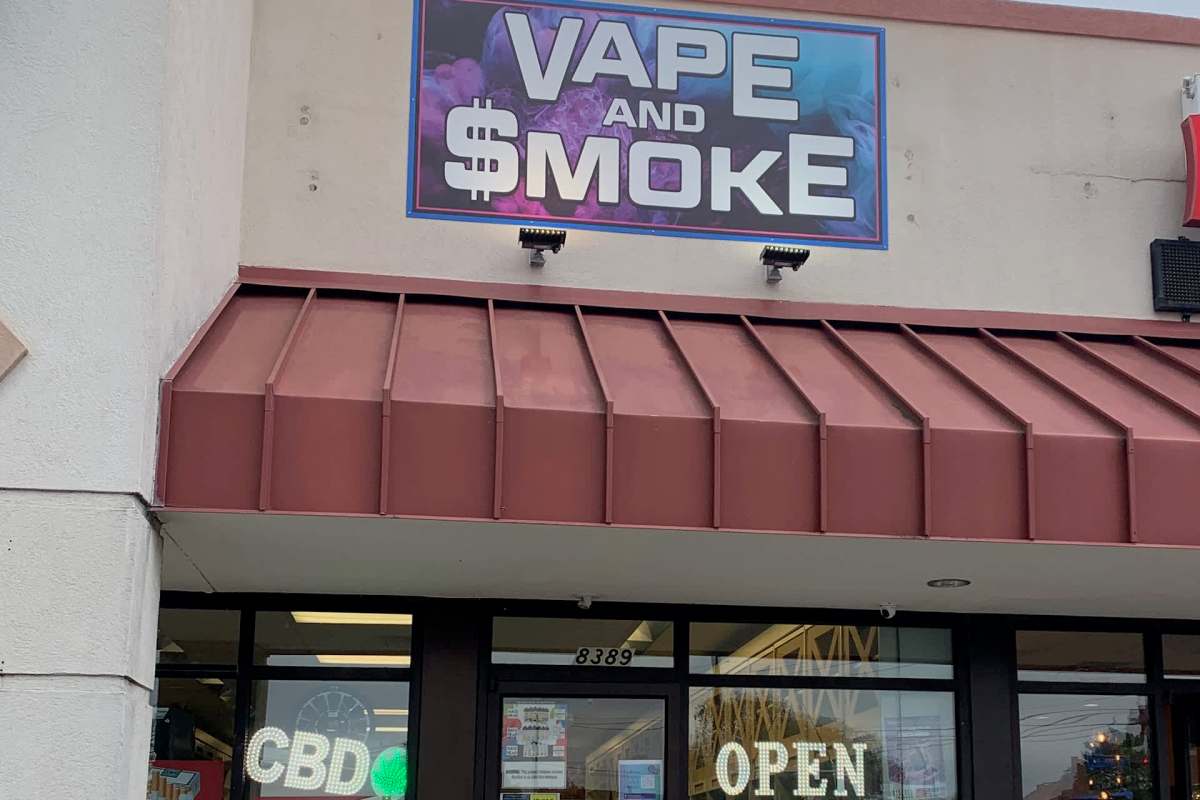
In the midst of that, The Daily Cardinal reported that smoke shops near the campus of the University of Wisconsin-Madison have seen profits drop after the state's ban on certain nicotine vape products that took effect in September.
Campus-area shop owners said the transition has been messy and abrupt. For example, the general manager of one shop said it went from selling 200 different types of vape and nicotine devices and products to only 10.
A manager of the nearby Stop N Shop, Ali Shabav, said communication was unclear as regulators had them pull the banned products.
"We got 15 days warning [from our distributor]. Before that, we didn't know the vape ban was actually going to happen," Shabav told The Daily Cardinal. "We used to secure $30,000 to $40,000 worth of business with distributors. It all stopped once the ban [went] into effect."
Although there are logistical issues here, the ban's overall purpose is to reduce youth access to nicotine products.
TCD Picks » Quince Spotlight
💡These best-sellers from Quince deliver affordable, sustainable luxury for all




The upsides are that it is an overall better choice for human health, as it also helps to curb the issue of plastic waste. Single-use vapes contain plastic, heavy metals, and lithium-ion batteries that often end up in landfills or our waterways instead of recycling facilities. According to the United Nations, climate-driven changes are already disrupting ecosystems and making it harder for species to survive, while pollution continues to damage biodiversity and human health.
For example, health officials in California warned of dengue transmission in the southern parts of the state due to the changing environment.
Wisconsin's campus shops continue to navigate the tighter rules and thinner margins. However, the ban being the priority over profit for the sake of human and environmental health highlights why taking local action makes a difference. Choosing plastic-free alternatives for everyday items and supporting businesses that prioritize safer practices can help restore the balance between consumer convenience and environmental responsibility.
|
Should states be allowed to ban plastic items from businesses? Click your choice to see results and speak your mind. |
 Definitely 👍
Join our free newsletter for good news and useful tips, and don't miss this cool list of easy ways to help yourself while helping the planet.






