


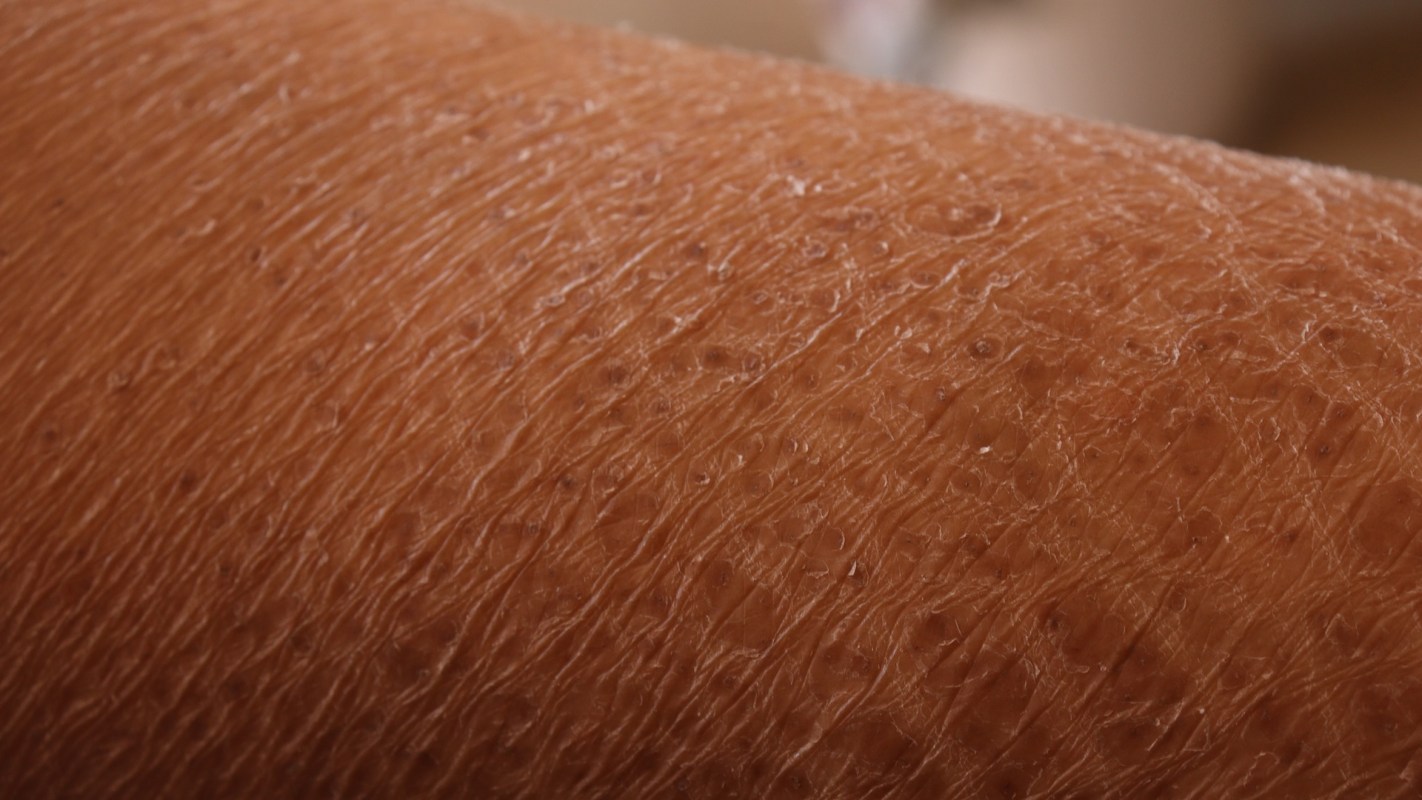
Microscopic plastic fragments can slip through your skin and carry harmful substances into your body, reported Bioengineer.org.
What's happening?
Scientists at Texas A&M University discovered that nanoplastics, plastic pieces smaller than a grain of sand, can penetrate the skin after exposure to ocean water.
The research team exposed these tiny particles to seawater from the Corpus Christi coast and published their findings in the Journal of Hazardous Materials. The water deposited proteins and organic matter onto the plastics, creating a disguise that helped them sneak past the body's natural defenses.
When tested in the lab, these ocean-aged plastics avoided destruction by cellular cleanup systems. Unlike fresh plastic particles, which break down quickly, the coated versions remained inside.
This coating acts like a Trojan horse, bringing toxins or pollutants straight through your skin's barrier.
"Nanoplastics are considered hazardous materials for their capability to enter the tissues and cells of many organisms," the researchers wrote in the original paper. "The environmental modifications, such as environmental corona, on the surface of those particles may trigger more severe cellular responses."
TCD Picks » Quince Spotlight
💡These best-sellers from Quince deliver affordable, sustainable luxury for all




Why are nanoplastics in the skin concerning?
Most attention on plastic pollution focuses on eating or drinking contaminated food and water. But your skin is another pathway scientists are just beginning to examine.
These particles are so small that they can cross your protective barriers. Once inside, they remain present and may cause inflammation or disrupt how cells function.
The ocean coating worsens the danger. Seawater contains proteins, compounds from algal blooms, and factory waste. Plastics soak up these substances and deliver them through your skin.
For humans, widespread plastic exposure could mean health troubles ahead. Scientists don't yet know the full impact, but early research suggests real reasons for concern.
|
How do you feel about microplastics being inside our bodies? Click your choice to see results and speak your mind. |
 I want them out now 🚫
 What's being done about nanoplastic pollution?
Scientists are pushing for better research methods to understand how these particles behave in different environments.
"Through continued exploration, researchers hope to devise innovative interventions to mitigate nanoplastic harm while advancing our comprehension of this emergent pollutant class," Bioengineer.com noted.
You can help by cutting back on single-use plastics in your daily life. Swap plastic water bottles for reusable ones, bring your own bags to stores, and choose products with less plastic packaging.
Support policies that limit plastic production and improve recycling programs. Contact your local representatives to voice your support for measures that reduce plastic waste in your community.
Small switches add up. Each piece of plastic you avoid means one less particle that could end up in the ocean and, eventually, in your skin.

Join our free newsletter for weekly updates on the latest innovations improving our lives and shaping our future, and don't miss this cool list of easy ways to help yourself while helping the planet.






