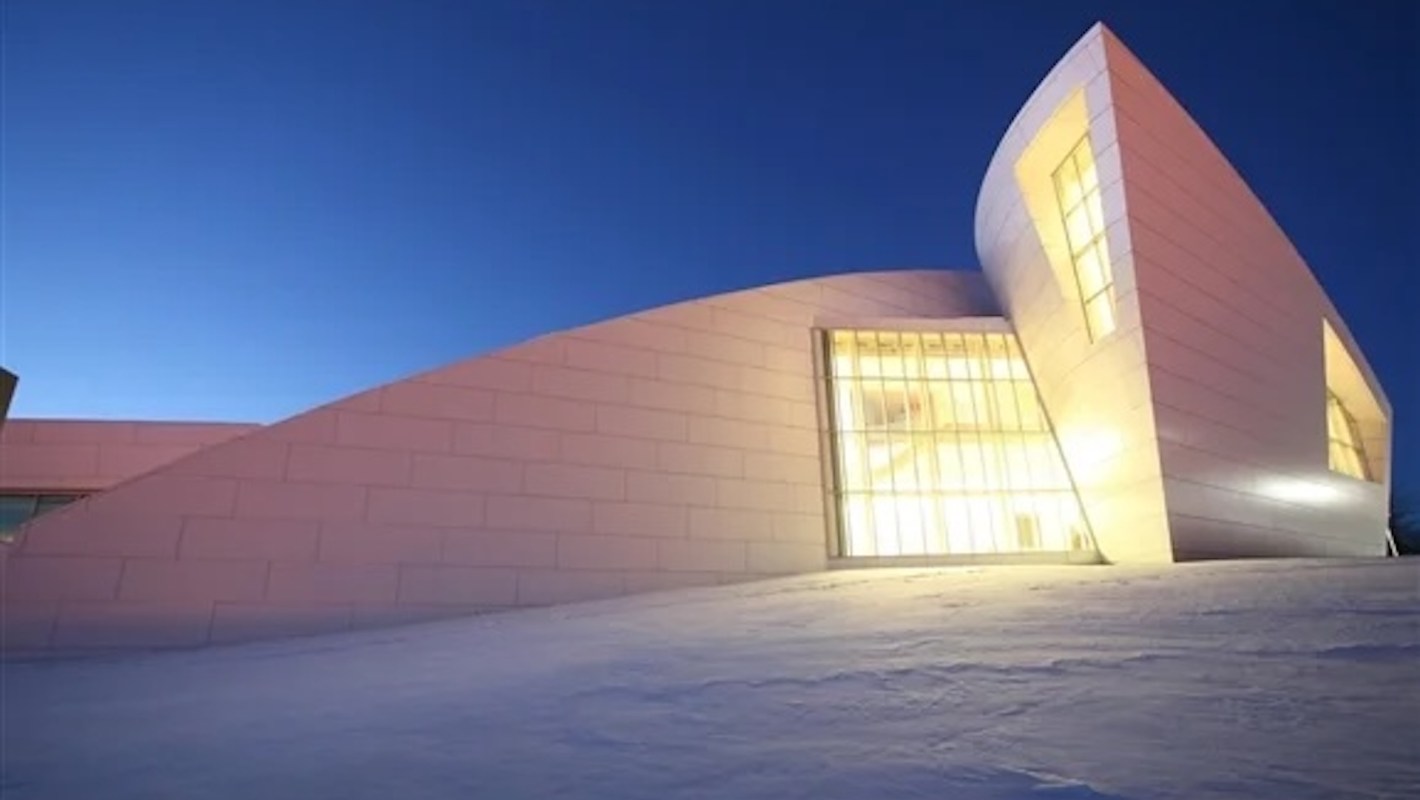
What happens when a poet, an artist, and an ecologist walk into a room? The answer comes in the form of a traveling exhibit aimed to educate people about the dangers of the climate crisis.
What's happening?
"Threshold 32°F" is a traveling exhibit that shows the changes of northern species over the span of one season in Alaska, according to The New York Times. The Alaska-based project is scheduled to be on display in both Oregon and Michigan in 2026.
Debbie Clarke Moderow, a poet, created the project alongside Klara Maisch, a painter, and Rebecca Hewitt, an assistant professor of environmental studies at Amherst College. The traveling exhibit explores the lives of plants and animals through paintings and poems.
The project aims to bring attention to the significance of thawing permafrost to people outside the region. When permafrost thaws, it releases thousands of years of stored carbon into the atmosphere.
"Call it what you will — it's happening," Moderow told the Times. "And it's happening to all of us."
Why is thawing permafrost important?
Permafrost is rock or soil that stays at or below freezing temperatures for two or more years, per the U.S. Environmental Protection Agency. However, thawing permafrost can damage buildings and roads. It can also cause negative environmental consequences worldwide.
TCD Picks » Quince Spotlight
💡These best-sellers from Quince deliver affordable, sustainable luxury for all




According to The Arctic Institute, permafrost accounts for nearly half of all organic carbon stored within the planet's soil. As the Arctic warms and permafrost thaws, the remains of plants decompose and release heat-trapping pollution into the atmosphere.
Per the Times, melting permafrost also releases methane, which is 25 times more potent than carbon. The planet-polluting gases contribute to global rising temperatures that exacerbate the climate crisis.
What's being done about thawing permafrost?
Scientists at NASA have conducted studies to learn more about thawing permafrost and its impact on communities. Meanwhile, The Arctic Institute has pushed to include harmful carbon pollution from permafrost in climate policies, calling the exclusion a "major blind spot."
Consumers can learn more about these critical climate issues and get involved as part of the solution. Switching to clean energy sources and reducing the heat-trapping pollution in the air can help mitigate the changing climate that is impacting permafrost.
|
Do you worry about having toxic forever chemicals in your home?
Click your choice to see results and speak your mind. |
 Majorly 😥
Join our free newsletter for good news and useful tips, and don't miss this cool list of easy ways to help yourself while helping the planet.