


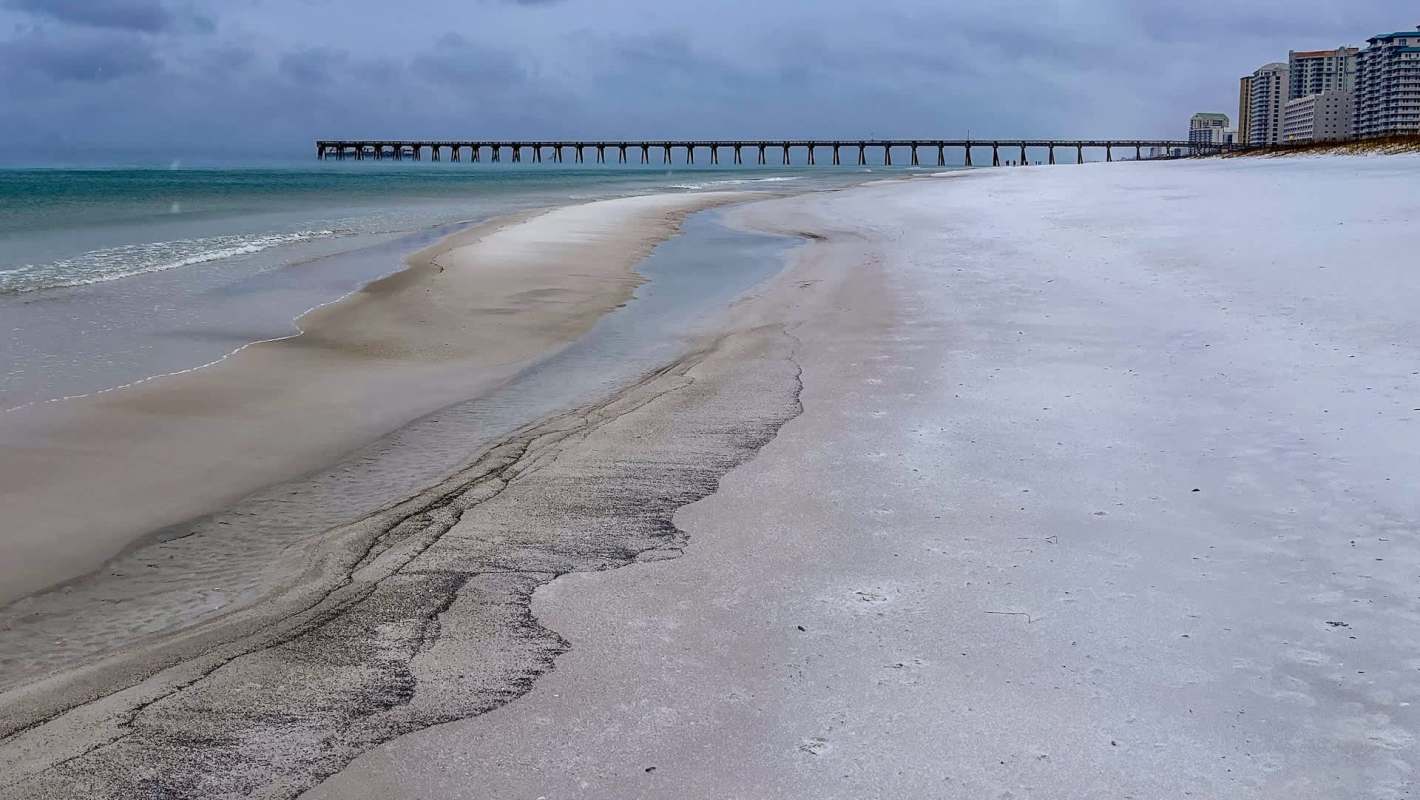
An Arctic blast that swept as far south as Florida early this week broke several records. Miami dipped to 48 degrees Tuesday morning, tying a record that has stood for more than a century.
The National Weather Service confirmed this rare cold event. "A *record low minimum* temperature was tied at Miami this morning," meteorologists with the Miami NWS office posted Tuesday on the social platform X. "The temperature of 48°F is the coldest on record for this date (11/11) in over 110 years."
Florida's frigid temperatures froze one of the Sunshine State's native reptiles in their tracks. "Social media has been flooded with images of frozen iguanas falling from trees, as their cold-blooded reptilian systems struggle to generate body heat and cope with the cold temperatures," reported Newsweek.
Miami was one of at least 80 cities that either tied or broke a record Tuesday as Arctic air swept into the Southeast. Several records were shattered in Alabama as temperatures tumbled into the 20s Tuesday morning. Montgomery fell to 23 degrees, breaking its record low for the date by 6 degrees. Records were also set in Tennessee, Kentucky, North Carolina, South Carolina, Mississippi, Texas, Louisiana, and Georgia.
This early taste of winter was felt by more than half the states in the country. More than 104 million people across parts of at least 26 states were under weather alerts Tuesday for either unusually cold temperatures or snow. Rare snowspouts, a wintry version of waterspouts, danced in southern Lake Michigan amid heavy lake effect snow squalls.
It might seem counterintuitive, but even with a warming world, record cold temperatures can still occur.
TCD Picks » Quince Spotlight
💡These best-sellers from Quince deliver affordable, sustainable luxury for all




"Even as human-made greenhouse gases exert a consistent pressure on the climate, trapping more heat close to the surface of our planet, surface temperatures from year to year will fluctuate depending on the naturally variable forces at work around the globe," according to a NASA report titled "Cold snaps plus global warming do add up."
Record cold will be harder to come by as our planet continues to heat up. A study by the nonprofit Climate Central of 245 U.S. locations revealed that winter was the fastest-warming season for 76% of them, including Miami.
"Season length and temperatures vary naturally from year to year," concluded researchers. "But the unprecedented rate of global warming observed since the 1950s, due primarily to emissions of heat-trapping gases from burning fossil fuels, is influencing long-term warming trends in each season."
The Arctic air that made headlines this week has relinquished its grip across the U.S. Most of the country is about to experience weather whiplash. Computer models suggest that some of the same regions that experienced wintry weather earlier this week, such as the Midwest, Missouri Valley, Tennessee Valley, and southern Plains, will see temperatures soar by 15 to 30 degrees above average by Saturday afternoon. If the forecast verifies, record highs will be falling this weekend.
|
How often does the temperature get over 100 degrees where you live? Click your choice to see results and speak your mind. |
 Never 😎
Join our free newsletter for good news and useful tips, and don't miss this cool list of easy ways to help yourself while helping the planet.







