


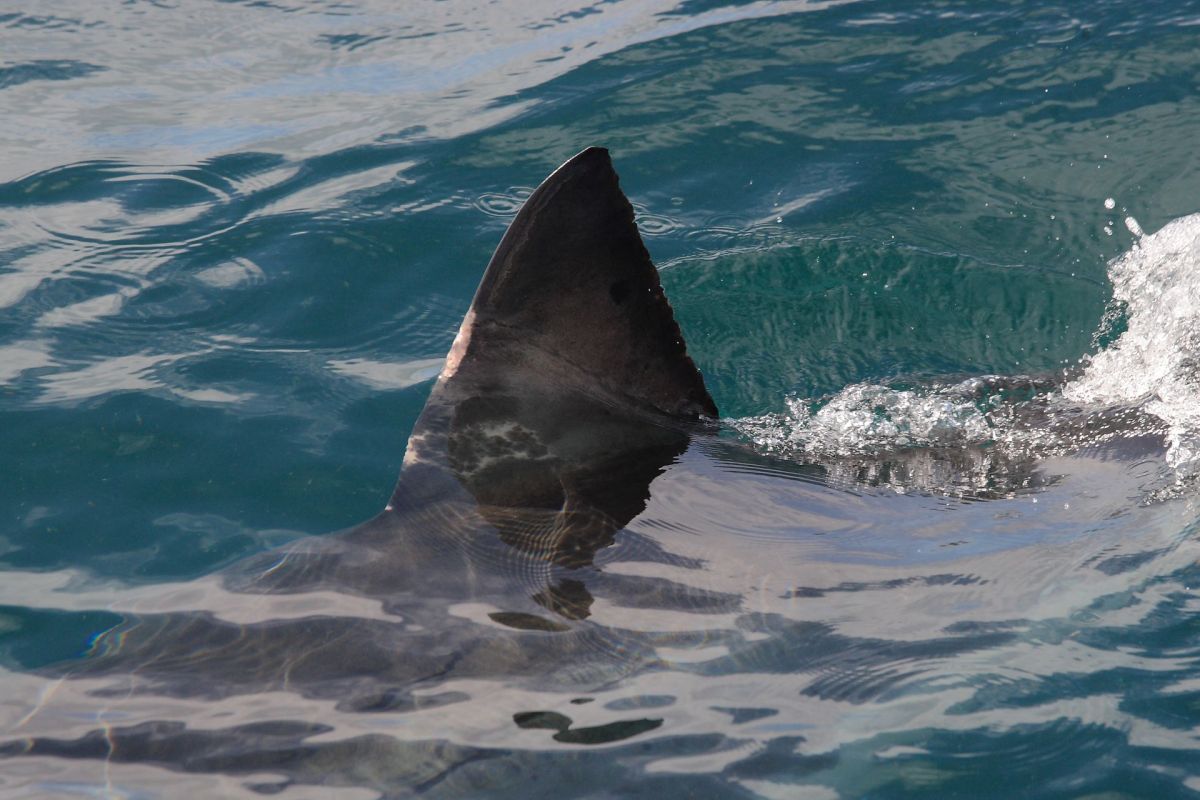
Mexico has banned fisheries from retaining several threatened shark species that are frequently caught as bycatch, in a move conservationists say is welcome but also should have happened long ago.
The ban was announced in October by the Mexican government, Mongabay reported. It pertains to longline fisheries that operate in internationally managed waters, such as the Caribbean Sea or the Gulf of Mexico.
These fisheries tend to catch a large number of sharks as bycatch but will now be banned from keeping, storing, or selling five shark species: the bigeye thresher and silky shark, the oceanic whitetip shark, the shortfin mako, and hammerhead sharks.
Any of these sharks that are caught must be released in a way that maximizes their chances of survival.
"Although long overdue, Mexico's new shark protections have the potential to significantly bolster international conservation efforts for some of the Atlantic's most imperiled species, Shark Advocates International President Sonja Fordham said in a release.
All of the sharks protected by this ban are listed as vulnerable, endangered, or critically endangered on the International Union for the Conservation of Nature's Red List of Threatened Species.
TCD Picks » Quince Spotlight
💡These best-sellers from Quince deliver affordable, sustainable luxury for all




The ban is based on recommendations from the International Commission for the Conservation of Atlantic Tunas. These recommendations are legally binding for the group's member states, of which Mexico is one, but countries have to enact them as law before they are enforceable within their borders.
The International Fund for Animal Welfare estimates that 100 million sharks are killed each year, through bycatch and by methods such as finning, where people catch sharks, remove their fins, and put them back in the ocean to die.
Mexico's ban is similar to one enacted earlier this year in India, which also put restrictions on how sharks must be treated when caught as bycatch. Late last year, South Australia also enacted laws that protect sharks from overfishing.
Some ocean advocates told Mongabay that Mexico's ban is a step toward progress, but it doesn't go far enough. In particular, they said they would like better definitions on what ships are a part of the ban and would like other species included, such as manta rays and whale sharks.
|
Do you think the government should ban gas-powered lawn tools? Click your choice to see results and speak your mind. |
 No way 🙅
Join our free newsletter for good news and useful tips, and don't miss this cool list of easy ways to help yourself while helping the planet.







