


Nuclear power has been a part of space travel since the 1960s.
Now, two American firms are poised to advance the energy source's final frontier potential with small reactors that can power operations for decades — without commands from Earth, according to Interesting Engineering.
Texas-based Space Ocean provides technology and resources for extraterrestrial travel. It partnered with New Mexico's Space Nuclear Power, which has an entire page that details its vision for the future, including using reactors for energy on other worlds under a program called SpaceNukes.
The two companies are working together to fast-track using the small reactors, starting with a demonstration mission powering a satellite by 2027, Interesting Engineering reported.
"Space Ocean's vision aligns with our belief that small, scalable, and extremely reliable nuclear power is essential for long-duration missions," SNP CEO Andrew Phelps said in the story.
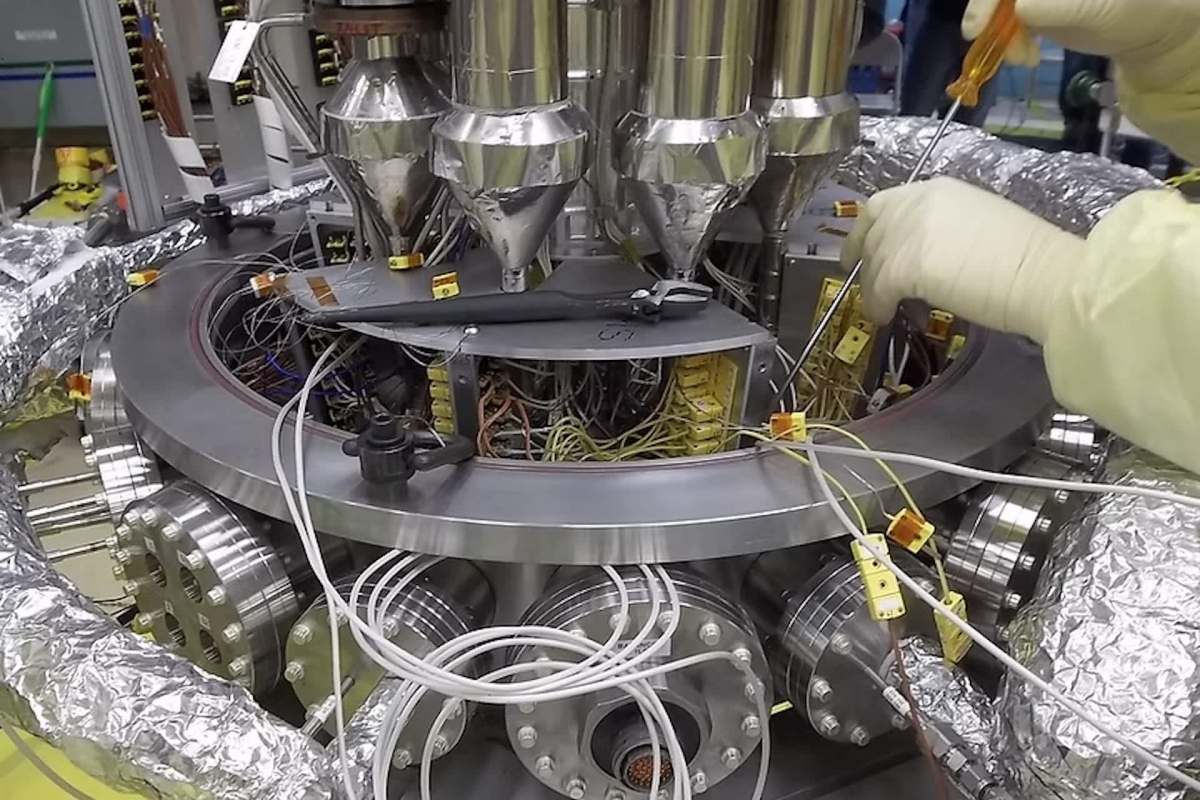
While small, the version eyed for testing would still weigh nearly 3,000 pounds with radioactive uranium inside. It's part of research started in 2015, much of it already vetted through government tests and development, Interesting Engineering reported.
TCD Picks » Quince Spotlight
💡These best-sellers from Quince deliver affordable, sustainable luxury for all




On Earth, nuclear remains a polarizing energy source. Microsoft and other tech giants have viewed it as a robust supply of electricity without heat-trapping air pollution. That's crucial, as astounding data center power demand is contributing to electricity costs that NPR reported are rising faster than inflation.
Pro-nuclear experts have worked to debunk what they call myths about atomic waste and meltdown risks. The byproduct is in the form of ceramic pellets, not oozing green drums, according to the Department of Energy.
Small modular reactors are also in development at Westinghouse and elsewhere. The intent is to use the powerhouses to energize remote locations or even disaster zones. However, some experts fear the tech is being rushed to use, according to the Union of Concerned Scientists.
Critics also point to well-documented catastrophes, such as the one that happened in 1979 at Pennsylvania's Three Mile Island. (Microsoft is reopening a part of the plant to power computing.) Water contamination is another concern, highlighted by the Fukushima accident in Japan.
|
Who should be paying for space exploration? Click your choice to see results and speak your mind. |
 The government 🏛️
 Additionally, physicist Amory Lovins, co-founder of Colorado energy think tank RMI, told The Cool Down that nuclear power is expensive and slow to develop, making it a poor choice for cleaner electricity development on Earth. He argued that solar is cheaper and faster to bring online.
Cleaner electricity is crucial to reducing planet-warming fumes generated from dirty energy — which is linked to overheating that NASA said is increasing risks for extreme weather. It's roiling places all over the planet, increasing insurance premiums and limiting coverage in many areas.
In space, fallout from a nuclear disaster would be limited to the craft. Innovative power is also needed to help humans reach distant worlds. That's why the solar/nuclear debate seems poised to enter orbit. Plans have even been considered to equip satellites with suncatchers as part of a vision to send the power back to Earth.
Solar remains one of the best ways for homeowners to take control of their energy source and lower or eliminate their utility bill. EnergySage is a free resource that can help you compare quotes and find an installer. Tax breaks remain available until Dec. 31, making fast action paramount. All of the advice can save you up to $10,000 on upfront costs.
For SNP and Space Ocean's part, the leaders said they see this partnership as a way to leverage each other's technical expertise and logistics experience to develop the next generation of space operations.
"Together, we're laying the groundwork for a future where spacecraft can generate, manage, and distribute energy far beyond Earth orbit," Phelps said in the story.

Join our free newsletter for good news and useful tips, and don't miss this cool list of easy ways to help yourself while helping the planet.






