


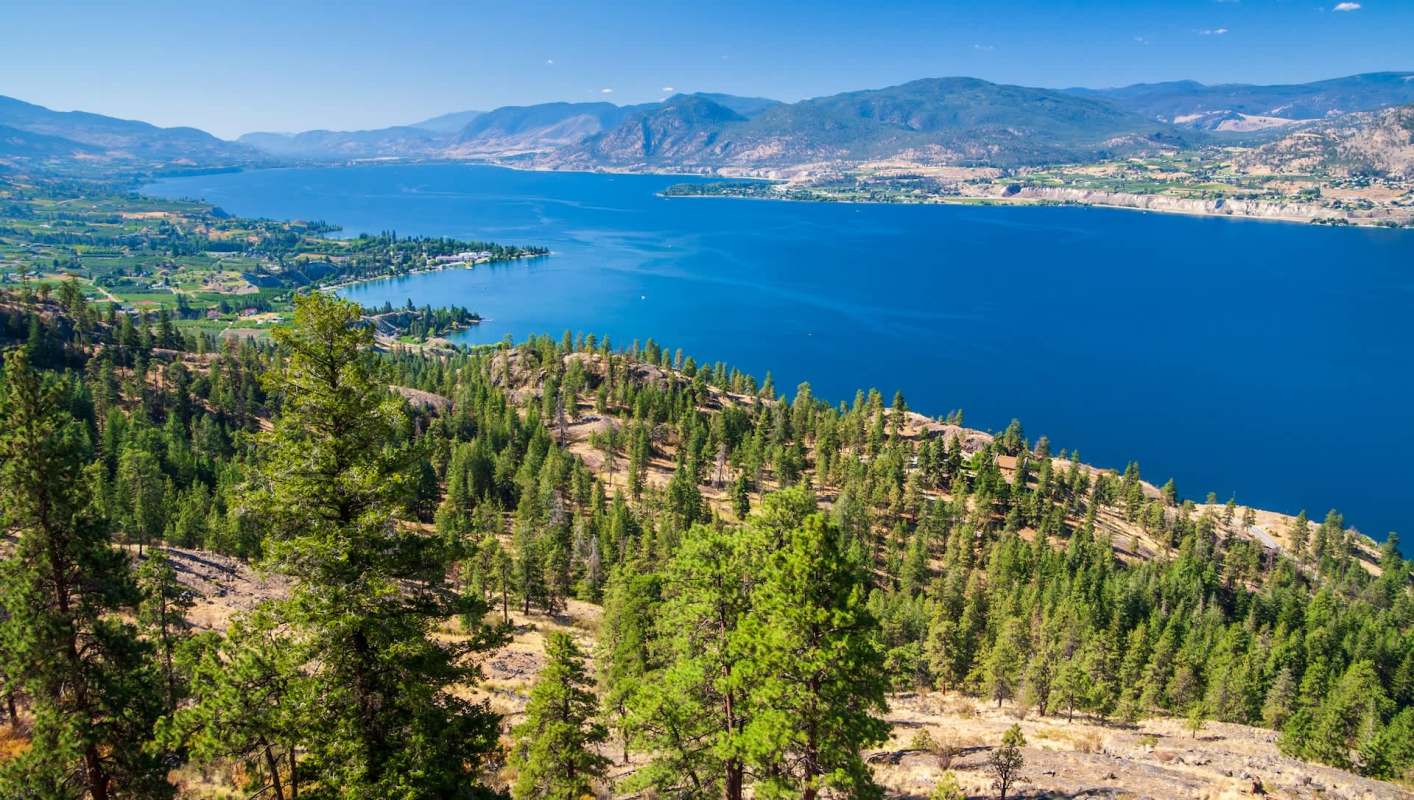
For the first time in more than a century, sockeye salmon are swimming home to their historic spawning grounds in British Columbia's Okanagan region — a comeback made possible by a groundbreaking new fish passageway, per CBC News.
The Okanagan Dam Fish Passage, built by the Syilx Nation in collaboration with the City of Penticton, the Province of British Columbia, and Fisheries and Oceans Canada, officially opened in August. The structure bypasses a century-old dam, reconnecting Okanagan Lake to the Columbia River system and allowing sockeye, steelhead, rainbow trout, chinook, and kokanee salmon to once again migrate freely through the watershed.
"This is a powerful moment of healing for both the environment and our people," said Chief Greg Gabriel of the Penticton Indian Band during the ceremony. "We are opening this waterway so our salmon can continue their journey as they did thousands of years ago."
For decades, hydroelectric dams blocked the salmon's passage upstream, devastating populations and cutting off a species that is sacred to the Syilx people. "Salmon were at the brink of extinction," said Zoe Eyjolfson, the Okanagan Nation Alliance's salmon passage project lead. Now, thanks to decades of advocacy and habitat restoration, the first fish are expected to return within weeks.
The project was funded in part through the Habitat Conservation Plan tied to Washington State's Priest Rapids hydroelectric project — a cross-border effort to restore salmon and steelhead populations across the Pacific Northwest.
For the Syilx people, salmon — or ntytyix — are more than just wildlife; they are a vital part of their culture. "They are considered relatives, not resources," the Okanagan Nation Alliance explains, "And their return marks a powerful act of environmental and cultural healing," reviving ancient traditions and restoring balance to a river system once silenced by industrial expansion.
TCD Picks » Quince Spotlight
💡These best-sellers from Quince deliver affordable, sustainable luxury for all




The passageway also represents an important step in rebuilding biodiversity and food security across the region, creating healthier waterways that support both wildlife and local communities.
Similar restoration projects across North America — such as the removal of outdated dams on the Klamath River and efforts to protect Pacific salmon through indigenous-led stewardship — have demonstrated how reconnecting ecosystems benefits both people and the planet.
As Eyjolfson reflected, "To know that my kids will see many future generations of salmon coming back to their historic waters — it's a very special day."
|
Do you think America does a good job of protecting its natural beauty? Click your choice to see results and speak your mind. |
 Definitely 👍
Join our free newsletter for good news and useful tips, and don't miss this cool list of easy ways to help yourself while helping the planet.







