


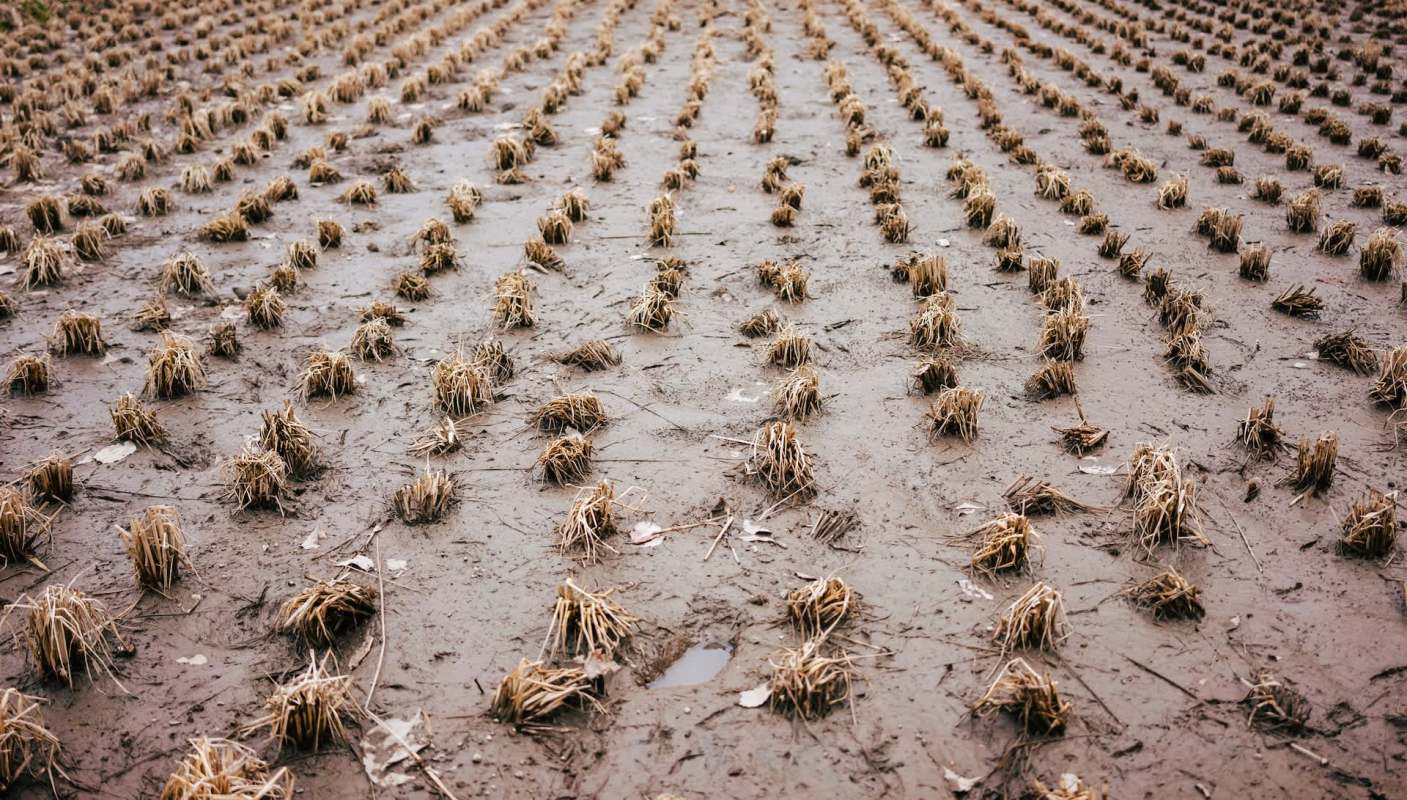
Farmers in Turkey are sounding the alarm after an unexpected frost devastated one of their key crops.
What's happening?
According to Fresh Plaza, a cold snap combined with heavy rain has reduced hazelnut yields across Ordu Province, one of the nation's key regions for hazelnut production. Farmers are reporting that they've lost close to half of their potential crops.
Rising global temperatures have pushed spring earlier into the year. This causes hazelnut trees to blossom earlier, but it also makes them more vulnerable to late frosts and cold snaps.
Alongside heavy rain, these conditions can wipe out large swathes of the trees' crops, leaving farmers scrambling for answers.
Why is the hazelnut crop in Turkey important?
Turkey's climate has historically been ideal for hazelnut production. According to the Food and Agriculture Organization, Turkey accounts for nearly 73% of the world's annual hazelnut supply.
In other words, losing a significant portion of Turkish hazelnut yields will have a massive impact on global supply, which will drive prices up. Fresh Plaza reported that a projected 40% loss in hazelnut crops will lead to a 30% price increase.
TCD Picks » Quince Spotlight
💡These best-sellers from Quince deliver affordable, sustainable luxury for all




However, those price jumps may not reach farmers to offset their crop loss, as Turkey has lower, state-regulated prices. That means that while their crops are more valuable, they're getting less money for less product, which puts their livelihoods at significant risk.
The potential trouble with hazelnuts is a growing problem in our shifting climate. As global temperatures rise, weather patterns become less predictable, and storms become more severe.
That makes crops more prone to significant losses and puts farmers, who are already running on razor-thin margins, at greater risk of losing their livelihoods.
What's being done about crop loss?
As farmers scramble to protect their livelihoods, researchers have been trying to fortify crops against unpredictable weather conditions.
|
What is the biggest reason you don't grow food at home? Click your choice to see results and speak your mind. |
 Not enough time ⏳
 Scientists have found ways to protect rice from pests without pesticides and have uncovered more environmentally friendly ways to allow cattle to graze.
But on a larger scale, the best way to help prevent crop loss is to reduce carbon pollution to stabilize global temperature and weather patterns.
Even small changes — such as switching from a gas-guzzling car to an electric one, using less plastic, or eating more plant-based meals — can slow the release of heat-trapping gases that lead to rising temperatures and reduced crop yields.

Join our free newsletter for easy tips to save more and waste less, and don't miss this cool list of easy ways to help yourself while helping the planet.







