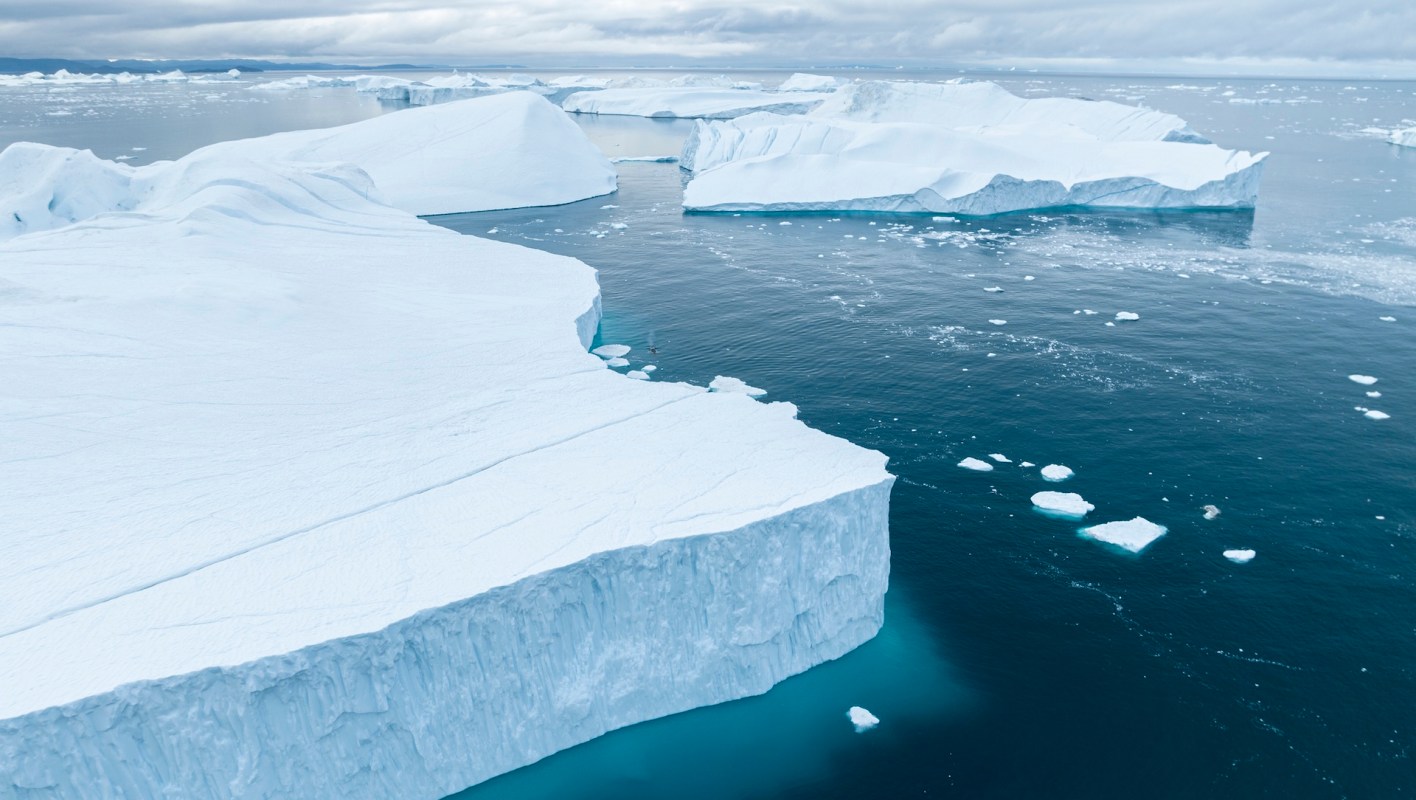
The Arctic is no longer silent. Scientists have begun to record eerie vibrations echoing beneath thinning ice — a chilling soundtrack to a region in flux.
What's happening?
In a new study published in Geophysical Research Letters, researchers captured the low-frequency "songs" of the Arctic ice as it cracked, slid, and collided near Utqiaġvik, Alaska.
Using radar and fiber-optic sensors, researchers at Penn State University recently turned the state's frozen coast into an acoustic map of change, according to Earth.com. What they heard reveals how warming temperatures are reshaping the foundation of life in the far north.
In January 2022, the ice still moved as a single, heavy body, creating long, steady vibrations called harmonic tremors. By April, the same region had splintered into fragments, sending sharp, uneven jolts instead.
"It's a very eerie sound when you speed up the recordings," said lead author Gabriel Rocha Dos Santos, per Earth.com. The shift from rhythmic to chaotic soundscapes mirrors a broader pattern: Denser winter ice is disappearing faster each year.
Why is melting Arctic ice important?
When Arctic ice weakens, it doesn't just transform the landscape; it alters life far beyond the poles. Communities like Utqiaġvik rely on stable ice for fishing, travel, and coastal protection. As those surfaces break apart earlier each spring, homes and infrastructure face greater risk from waves, flooding, and erosion.
Scientists warn that the loss of reflective sea ice also amplifies global heat absorption, accelerating warming and destabilizing weather systems that drive storms, droughts, and food insecurity across continents. Extreme weather events, once isolated, are now supercharged by this long-term trend.
What's being done about Arctic ice loss?
Researchers are using these haunting sounds to build early warning systems that can detect when sea ice starts to move. This information could save lives in coastal communities. Similar monitoring technologies are being developed in Greenland and Russia, where shifting ice threatens local ecosystems and economies.
TCD Picks » Quince Spotlight
💡These best-sellers from Quince deliver affordable, sustainable luxury for all




On a larger scale, reducing global reliance on fossil fuels remains the clearest way to slow ice melt and the extreme weather it feeds. Steps like improving home energy efficiency, electrifying transportation, and supporting renewable power projects all help cut harmful carbon pollution.
Installing solar panels with battery storage can also make households more resilient during power outages caused by severe weather. Through EnergySage's free service, homeowners can compare vetted installers and save up to $10,000 on solar installations.
Each tremor beneath the ice is new data. The sooner we learn to listen, the better chance we have to protect the coastlines, food systems, and communities that depend on a stable planet.
|
Do you worry about having toxic forever chemicals in your home?
Click your choice to see results and speak your mind. |
 Majorly 😥
Join our free newsletter for good news and useful tips, and don't miss this cool list of easy ways to help yourself while helping the planet.