


Many animals have unique adaptations that help them survive harsh winters, from camouflage to hibernation.
However, some species may not know how to turn off these special superpowers in the face of warmer temperatures.
What's happening?
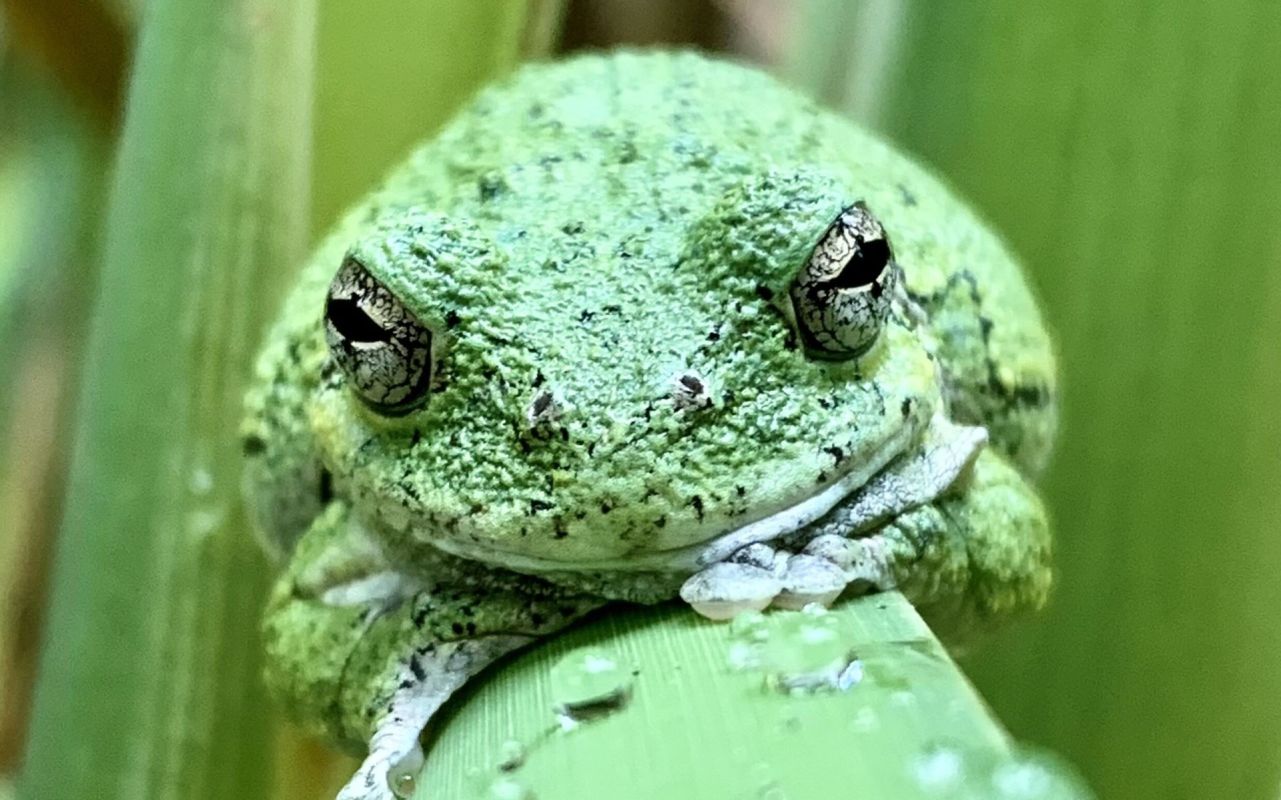
To explore this issue, a team of scientists at Case Western Reserve University took a close look at the gray tree frog.
This frog manages to outlast the winter by building up a glycerol-based "antifreeze" compound that safeguards its cells during icy weather. Its exterior still freezes over, and its heartbeat and breathing slow to a stop. However, everything thaws out and boots back up come springtime.
The researchers discovered that the actual signal the frogs use to start this bodily process is not the dropping temperatures in the fall — it's the shortening days.
That means that even as winters are becoming milder in the frogs' habitats, they will still try to kick into antifreeze mode.
TCD Picks » Quince Spotlight
💡These best-sellers from Quince deliver affordable, sustainable luxury for all




The full findings of this study were published in the Journal of Animal Ecology.
Why is this miscue concerning?
This discrepancy between what gray tree frogs expect and the reality of the overheating planet has scientists concerned.
During the amphibian's preparation for winter, it reduces its appetite and grows less. Once the thaw is underway, its reproductive cycle kicks into gear.
Yet relying on changes in daylight to get ready for winter conditions that may never come could drain unnecessary energy and ultimately harm the gray tree frog.
|
Should the government be allowed to ban certain plants? Click your choice to see results and speak your mind. |
 Definitely 👍
 The same goes for other species that could fall into this same "ecological trap" and struggle to reproduce or migrate as a result.
"We haven't seen a population crash or anything with gray tree frogs," lead researcher Troy Neptune said. "But … this kind of mismatch in the timing of behavior related to the environment could be catastrophic."
The loss of any one puzzle piece in an ecosystem can work its way back to humans. Look no further than the immense danger that declining populations of bees and other pollinators pose to the world's food supply — not to mention the other plants and animals that are impacted.
What's being done to protect species that expect cold winters?
Case Western Reserve collaborated with the Cleveland Metroparks Zoo to conduct this study.
While it is not yet clear how species like the gray tree frog will respond to consecutive warmer winters, understanding more about how they operate through scientific research is a crucial step.
For citizens, reducing the pollution that causes rising global temperatures is essential to support gray tree frogs and other similar species. For example, investing in home solar panels can minimize reliance on an energy grid that still relies on burning dirty fuels — while also cutting your utility bills.

Join our free newsletter for good news and useful tips, and don't miss this cool list of easy ways to help yourself while helping the planet.







