


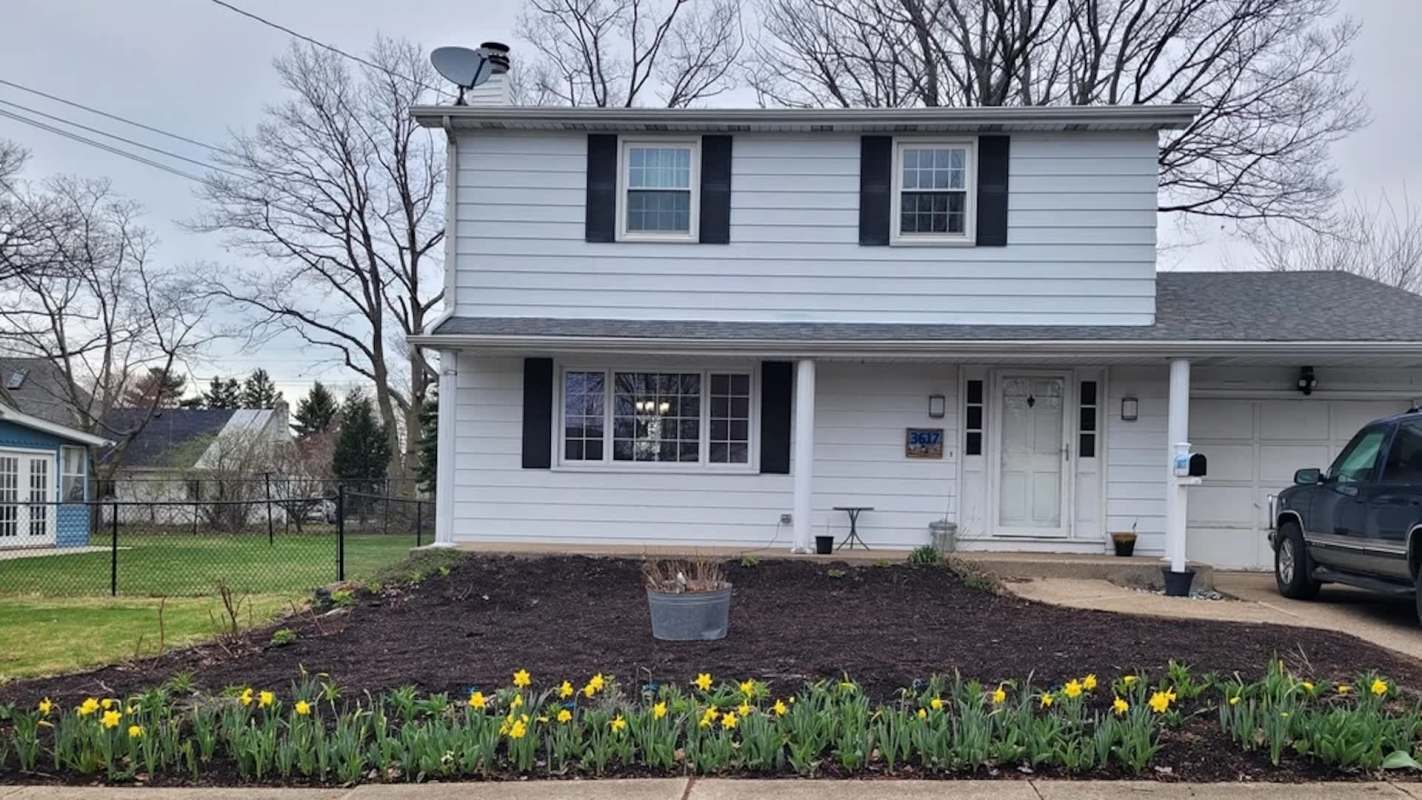
One Redditor's photo essay in an anti-lawn subreddit shows how their front lawn went from an ugly duckling to a swan in only a few months.
The first photo shows a huge plot of mostly dirt with a small strip of flowers up front. As the OP wrote, "We took the remaining grass from the front yard in the fall of 2024 and this is what it looked like this year."
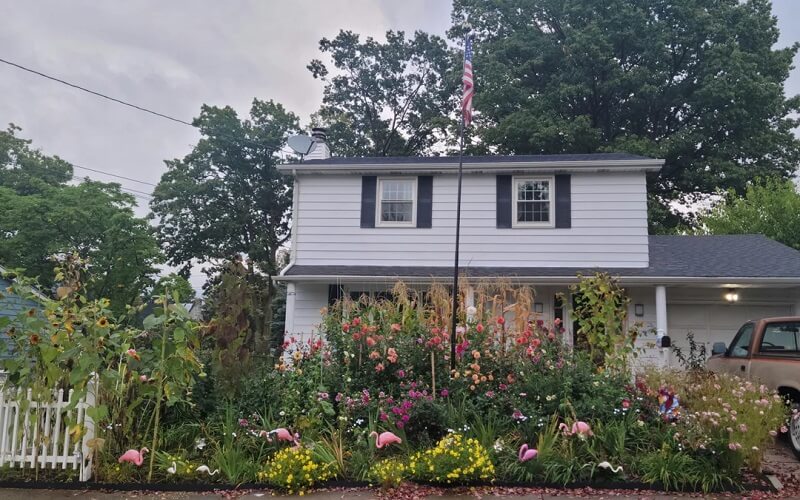
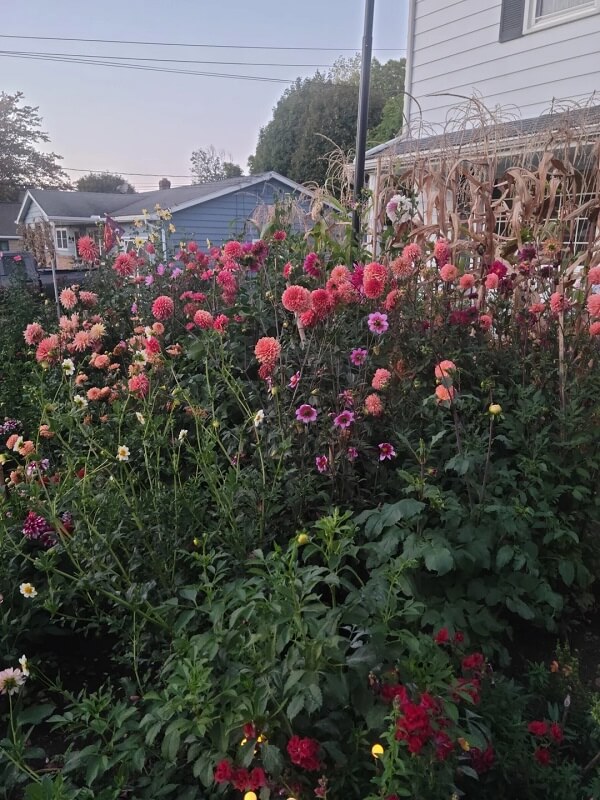
In the second photo, budding green vegetation and blooms are now several inches high. By the third photo, the lawn upgrade has become a pollinator heaven filled with several flora, including sunflowers, sweet mademoiselle hybrid roses, and peonies. The plants have grown tall enough to block window views.
The OP caught one stunning and famous pollinator in action — the Monarch butterfly.
"Seeing that butterfly warms my heart," remarked one commenter.
The gorgeous reap from what the OP and pollinators sowed earned high praise as one responded, "I'm obsessed with this! Goals!"
TCD Picks » Quince Spotlight
💡These best-sellers from Quince deliver affordable, sustainable luxury for all




The lively scene inspired one fan to quote a famous rock song: "You know where you are? You're in the jungle baby!"
The proud gardener inherited a bland space but transformed it gradually by digging out the grass by hand, sifting out large rocks, and adding layers of compost and mulch. While they worked hard to create a native garden space, they admitted, "I make an exception for my dahlia."
The OP exclaimed how much they "don't want any grass!" but those who don't prefer a full overhaul can still benefit from a partial replacement. For example, strategically placing groundcovers like clover or creeping juniper along the edge of grass impede erosion. Plus, using small but often overlooked areas like the hellstrip also works.
Enjoy curb appeal that may increase home value. One commenter bluntly stated, "Photo 6 shows the contrast between [the] beauty of life with pollinators versus flat deadness of [your] neighbor's lawn."
|
What is your least favorite lawn chore? Click your choice to see results and speak your mind. |
 Mowing the grass 🌱
 Since native plants are stronger with deeper roots than non-natives, and pollinators provide free sowing, they're an economical choice. Per the American Society of Landscape Architects, maintaining a prairie or a wetland costs $3,000 per acre compared to $20,000 per acre for non-native turf grasses.
Less or no mowing and fertilization reduces noise and air pollution from equipment and water pollution from runoff. That non-contaminated runoff from a roof or slope can source a rain garden.

Join our free newsletter for easy tips to save more and waste less, and don't miss this cool list of easy ways to help yourself while helping the planet.






