


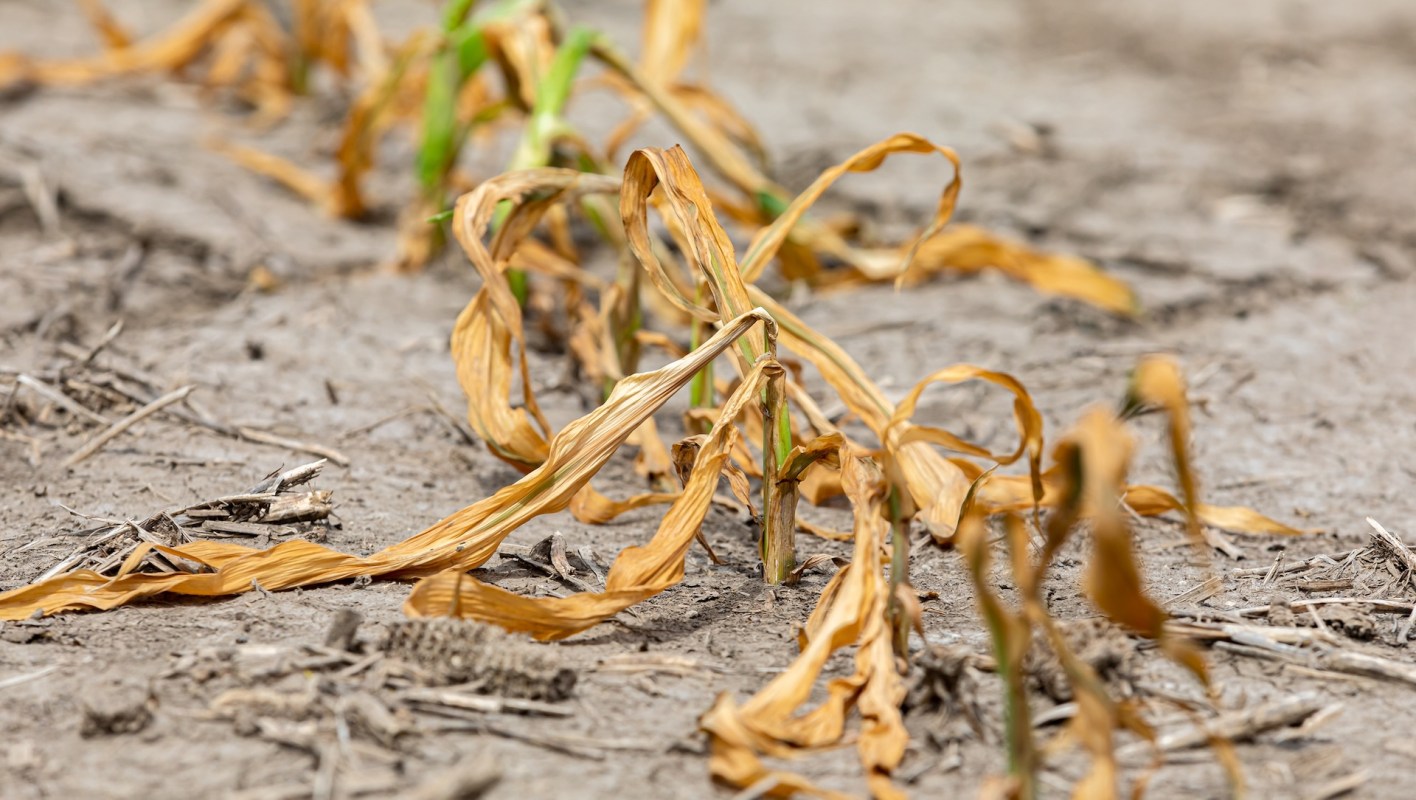
A severe drought is forcing farmers to spend more on watering their crops, and those costs are showing up at farmers' markets and grocery stores across the country.
What's happening?
According to WTXL, meteorologists have said the Southeast has experienced its driest weather in two years. Precipitation totals now lag behind normal by 3 to 4.5 inches.
Aguita Guerrero, a Florida produce vendor known as the "Tomato Lady," explained how insufficient rainfall affects her customers.
"We lose customers, because sometimes they think the price is high," Guerrero said.
"But it is not me. It's the farm because they have to make money too, because no rain, everything go high."
When natural precipitation disappears, farmers must add water to their fields themselves. The extra work and expense are passed on to buyers, resulting in higher prices for fresh produce.
TCD Picks » Quince Spotlight
💡These best-sellers from Quince deliver affordable, sustainable luxury for all




Why are drought-driven produce prices concerning?
When rain becomes scarce, the problems spread outside dried-out lawns and struggling gardens.
Your grocery spending increases as farmers pay more for irrigation. Household water costs rise for families and companies. Wildfire risk intensifies in arid conditions, threatening neighborhoods.
Scarce precipitation also reduces crop yields. When nearby farms can't grow enough, vendors like Guerrero must travel greater distances to stock their stands. This increases costs and limits the availability of regionally grown food.
What can I do about drought conditions?
To reduce your water use at home, consider taking shorter showers and fixing any leaky faucets. These changes help preserve available water during dry periods.
|
What is the biggest reason you don't grow food at home? Click your choice to see results and speak your mind. |
 Not enough time ⏳
 If you have a yard, water your grass and plants early in the morning or late in the evening when less moisture evaporates. Consider switching to native plants that need less water to thrive in your area.
Shop at local farmers' markets when possible to support growers in your community. Recognizing the impact of weather on pricing helps farmers stay in business during tough seasons.
Contact your local representatives to voice support for water conservation policies and drought preparedness programs. These measures help communities manage dry spells while protecting both people and the environment.

Join our free newsletter for easy tips to save more and waste less, and don't miss this cool list of easy ways to help yourself while helping the planet.







