


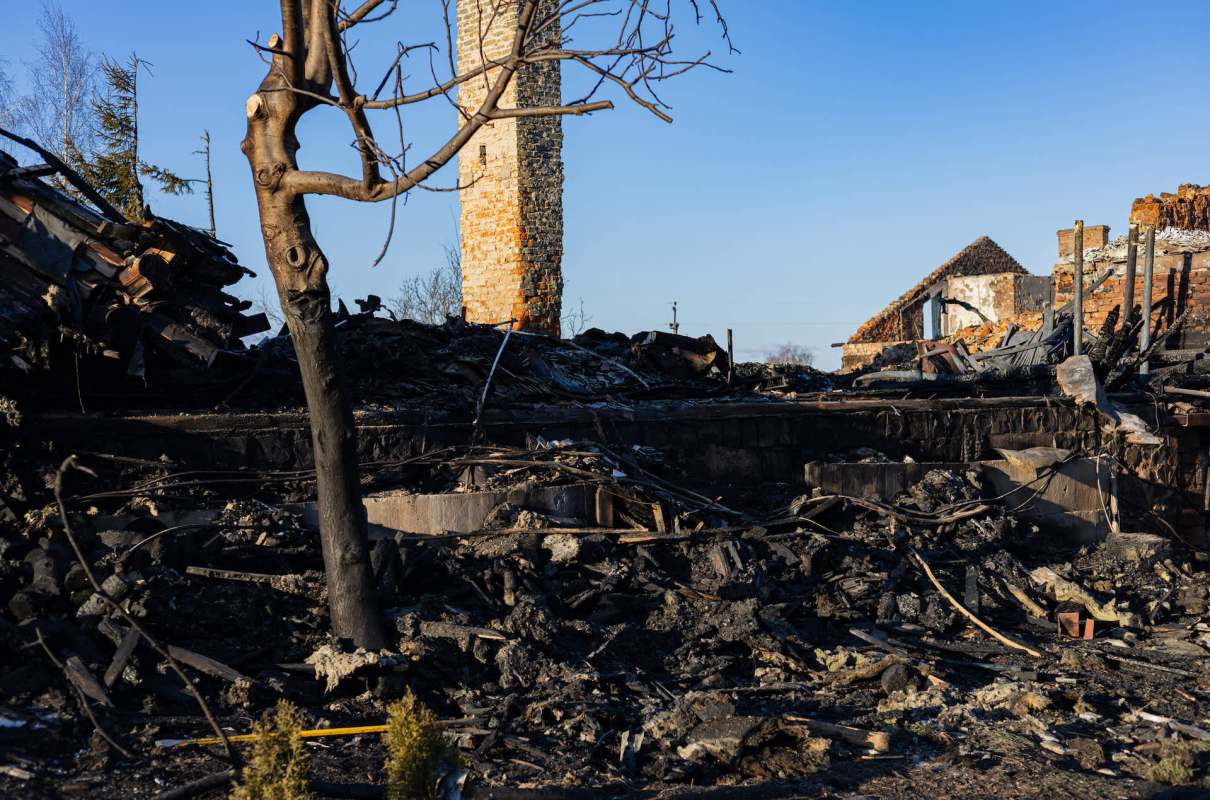
After a devastating fire in 2023, residents who lost their homes in Lahaina, Hawaiʻi, have received an offer of temporary housing in a tiny home community erected by the state, The New York Times reported.
Many Lahaina residents were in a bind after the disaster. Housing was already at a crisis point in the area beforehand, with prices sky-high due to tourism and the rate of homelessness being among the worst in the nation.
The Federal Emergency Management Agency, which would normally provide financial aid to disaster victims, has recently been the target of cuts by the Trump administration, and many survivors of the Lahaina fire don't qualify for help.
That left a large proportion of residents being bounced from shelter to hotel, worried that they would not be able to find or afford a long-term housing solution.
This is where the state of Hawaiʻi stepped in. It established Ka Laʻi Ola, a community of 450 homes set to house roughly 1,500 people. In order to move quickly to provide housing, the state called upon five companies from multiple countries to provide modular tiny homes that could be put in place immediately, similar to this community in California.
Because they are tiny homes, their utility needs are small, which makes them cheaper to power and supply with water, as well as having a small impact on the environment.
TCD Picks » Quince Spotlight
💡These best-sellers from Quince deliver affordable, sustainable luxury for all




The path to this solution was not completely smooth. The land where the community was established was originally set aside to house Native Hawaiians because it is ceded territory. However, the previous plan for development would have taken 17 years to allow anyone to move in.
Under this new plan, Governor Josh Green has proposed immediate development and using the land to house the Lahaina fire victims for five years, after which the community will be turned over to Native Hawaiians. This means it will still be available faster if everything goes well.
There are concerns about whether the specific homes chosen for the project will hold up in the local weather long-term, but this is still progress.
Dr. JoonYup Park, a University of Hawaiʻi at Mānoa assistant professor focused on housing economics, had some concerns, but ultimately told the Times that if the state succeeded in turning the community into permanent housing, "it could meaningfully reduce homelessness."
|
Should the government be paying us to upgrade our homes?
Click your choice to see results and speak your mind. |
 Definitely 💰
Join our free newsletter for easy tips to save more and waste less, and don't miss this cool list of easy ways to help yourself while helping the planet.






