


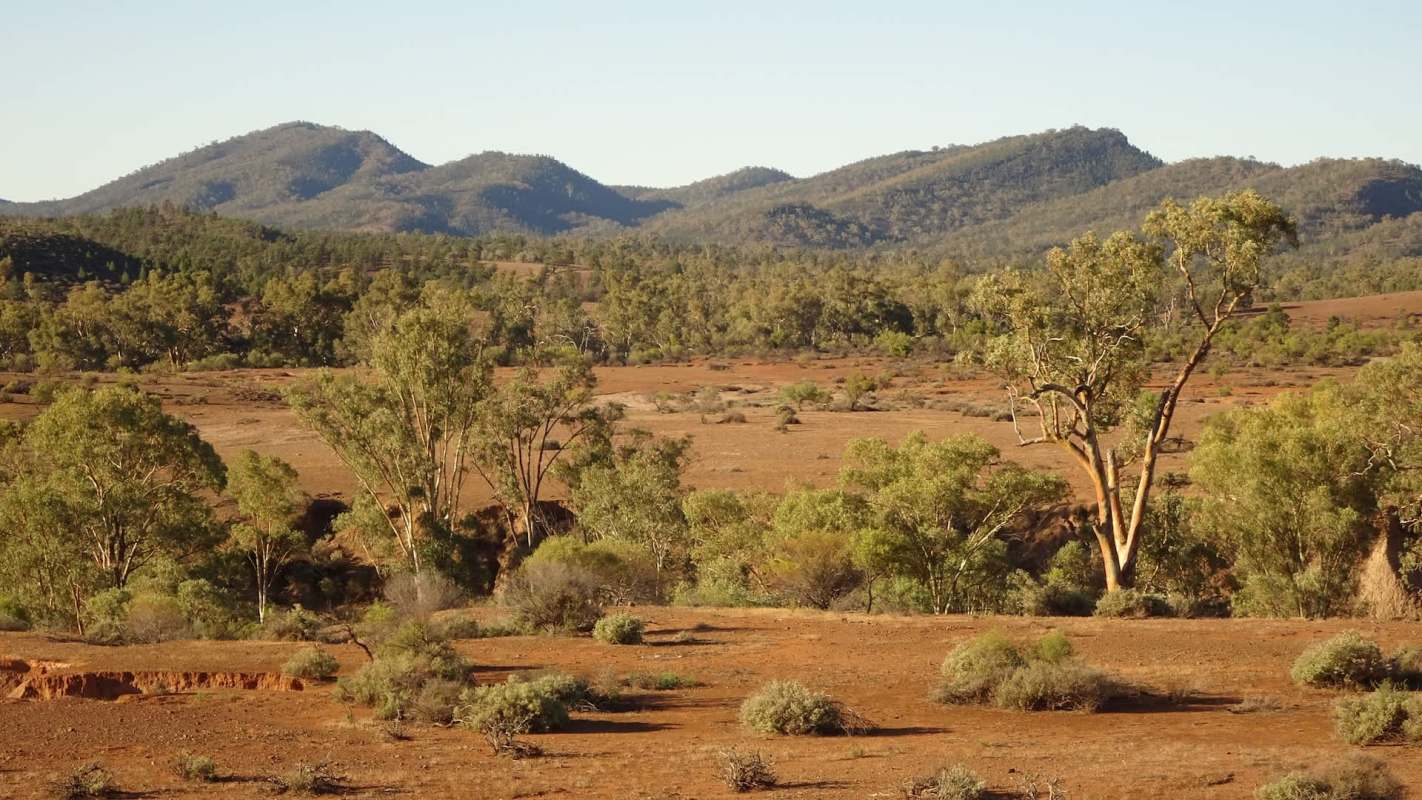
The Australian government is facing backlash after loosening pollution restrictions on a massive gas plant that experts say is damaging ancient Indigenous rock art in Murujuga, one of the world's oldest cultural sites.
What's happening?
Documents released show that Environment Minister Murray Watt weakened pollution limits on Woodside Energy's North West Shelf gas plant after the company argued that stricter standards were "not technically feasible" and would effectively block the project, according to reporting by The Sydney Morning Herald.
In May, Watt had proposed strong safeguards to protect Murujuga's 40,000-year-old carvings, including a ban on detectable air pollution that could harm the rock art by 2030. However, after months of lobbying, the government reversed course, opting for softer measures that allow continued pollution of nitrogen oxides and sulfur dioxide, which are linked to rock corrosion.
Why is this concerning?
Experts and advocates say the government's decision prioritizes corporate profits over cultural and environmental protection. Watt's own assessment confirmed that industrial pollution from the Karratha Gas Plant is "adversely affecting the rocks of Murujuga," per the Morning Herald.
Murujuga Traditional Owner Raelene Cooper called the decision "sickening," saying it proves the government has been "covering up and denying" the harm caused by gas expansion in the region. The Conservation Council of Western Australia also criticized the move, stating it exposes serious flaws in Australia's environmental laws and their ability to protect cultural heritage.
"It is absolutely sickening that the minister has allowed ongoing impact to the Murujuga rock art so that Woodside can make a quick buck selling more gas overseas," Cooper told the Morning Herald.
TCD Picks » Quince Spotlight
💡These best-sellers from Quince deliver affordable, sustainable luxury for all




A Woodside spokesperson said the company took its responsibility to protect cultural heritage seriously, and that the research to date on the impacts of industrial pollution on rock art "has not been conclusive."
The rock art of Murujuga, more than 40,000 years old, includes some of the earliest depictions of human faces. Scientists warn that continued exposure to acidic industrial pollution could permanently erode these carvings, a loss for both Indigenous communities and global history.
This isn't just a loss of historic artifacts caused by greedy corporations; it hinders progress toward a cleaner future where families can enjoy the historic site for generations to come, without an environment that overheats and increases extreme weather events and disease.
What's being done about it?
Conservation groups and Indigenous advocates are calling for a Senate inquiry into the government's approval process and demanding stronger protections for cultural heritage, per ABC News.
Meanwhile, clean energy advocates say this case highlights the urgent need to transition away from dirty energy sources toward renewable sources like wind and solar, energy systems that don't rely on harmful industrial pollution. You can help by supporting renewable energy and holding leaders accountable for prioritizing polluters over people.
|
Do you worry about the quality of the air inside your home?
Click your choice to see results and speak your mind. |
 Yes — often 😬
Join our free newsletter for good news and useful tips, and don't miss this cool list of easy ways to help yourself while helping the planet.






