


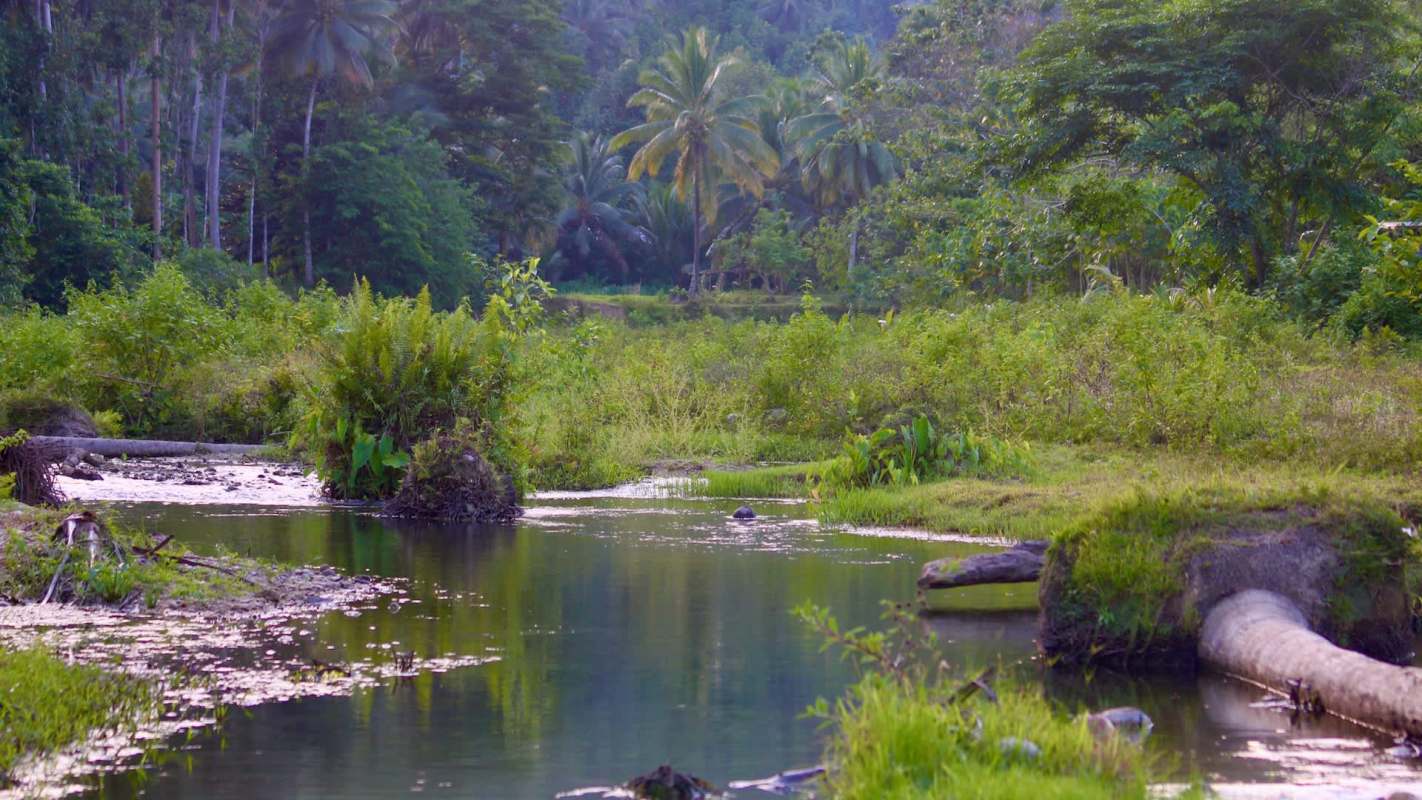
In the rainforests of Northern Sierra Madre Natural Park in the Philippines, an ancient predator is making a surprising comeback, according to Mongabay — and the community couldn't be prouder.
The critically endangered Philippine crocodile, once feared extinct in the wild, is slowly reclaiming its rivers thanks to a powerful alliance between science, tradition, and local leadership.
For Indigenous Agta elders, crocodiles aren't monsters, but guardians.
"We have always coexisted peacefully with crocodiles, and today, I am passing on to my grandchildren the same advice my parents gave me," says Olalia Infiel, an Agta elder of Dunoy.
Her community continues to teach respect for the species, framing it as a protector of rivers and forests rather than a threat.
That reverence is now being matched with scientific action. Since the late 1990s, the Mabuwaya Foundation has partnered with local people to protect the crocodile's last habitats, raise hatchlings in "head start" programs, and release them into the wild.
TCD Picks » Quince Spotlight
💡These best-sellers from Quince deliver affordable, sustainable luxury for all




These community-driven efforts are working: from just a handful of sightings in the 1990s, San Mariano now counts over 125 Philippine crocodiles. The recovery is fragile but hopeful.
"Protecting a species with such a negative image requires more than good science," ecologist Merlijn van Weerd, who helped launch the program, told Mongabay.
"You need trust and constant help in the field. For that, you need to actively involve the people who share the same habitat with the species."
Local guardians, called Bantay Sanktuwaryo, now patrol sanctuaries, teach schoolchildren, and respond when crocodiles wander too close to livestock.
|
Do you think America does a good job of protecting its natural beauty? Click your choice to see results and speak your mind. |
 Definitely 👍
 "We've come far," says Rogelio Etchore, a community warden from Villa Miranda. "But there are still those who think the crocodile is dangerous or useless. That's why we keep talking … this is about more than just one animal. It's about our river, our forest and our future."
Stories like this show how blending Indigenous knowledge with conservation science can secure a safer, more sustainable future for all.
It's the same lesson seen in other recovery efforts — from bees protected by urban gardeners to whales rebounding after decades of decline.
The Philippine crocodile's return is proof: even the most endangered species can thrive again when people and nature work together.

Join our free newsletter for good news and useful tips, and don't miss this cool list of easy ways to help yourself while helping the planet.







