


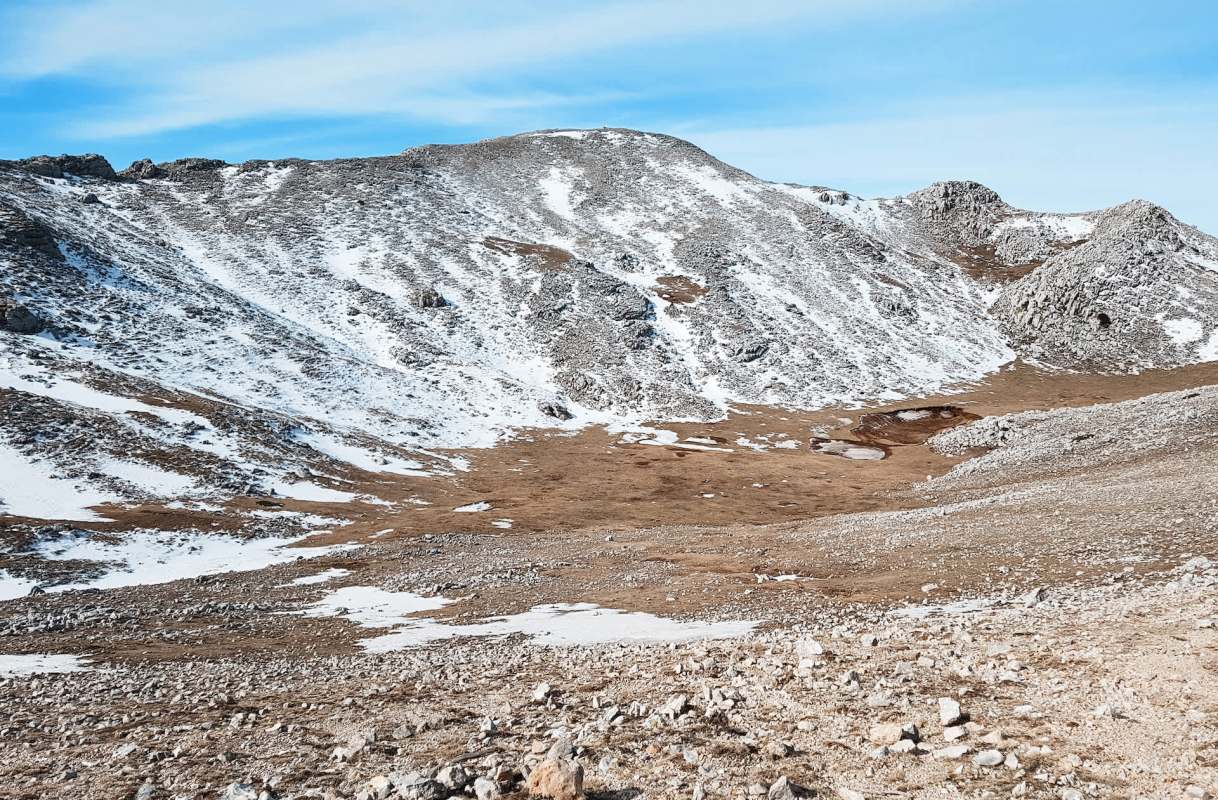
In the northern hemisphere, July and August are the height of summer, but south of the equator, those months provide the snowfall that ski resorts down under depend on. New Zealand's ski resorts are facing an unprecedented crisis after record-low snowfall.
What's happening?
SnowBrains reported in August 2025 that New Zealand was experiencing the worst snow drought in recent memory. Resorts across New Zealand's South Island (Te Waipounamu) have been left shockingly bare by the dry and mild winter. Mount Cheeseman, a popular resort near Christchurch, wasn't able to open. Similarly, the nearby Temple Basin Ski Area had to announce on social media that even after a storm, it wouldn't open for the 2025 season:
"..there has simply not been enough snow to safely operate our rope tows and yesterday's storm has not changed this."
Why is a lack of snowfall concerning?
Unusually warm winters are a consequence of the planet-heating emissions caused by human activity. Just like a regular drought, a snow drought can have profound effects on an area. Snowpack acts as a natural reservoir, providing a steady source of water during warmer and drier months.
The lack of snowfall isn't just bad news for skiing enthusiasts and the tourist economy; it's also concerning for the hydroelectric lakes that rely on snowmelt to keep levels high enough to function year-round. Hydroelectricity provides more than half of New Zealand's energy. Additionally, alpine species endemic to New Zealand, such as the endangered rock wren, will be threatened by predation from introduced mammals. The cold that had previously kept predators at bay is no longer a reliable safeguard.
What's being done about warmer winters?
New Zealand is committing sizeable resources to monitoring the problem. The New Zealand Institute of Water and Atmospheric Research (NIWA) operates over 200 weather stations throughout the country.
TCD Picks » Quince Spotlight
💡These best-sellers from Quince deliver affordable, sustainable luxury for all




Research and raising awareness are crucial steps to creating effective conservation legislation. The government is targeting a 51-55% reduction in harmful emissions by 2035 and aims to reach net zero by 2050, per Reuters.
|
Do you worry about the longevity of EV batteries? Click your choice to see results and speak your mind. |
 For sure 💯
Join our free newsletter for good news and useful tips, and don't miss this cool list of easy ways to help yourself while helping the planet.







