


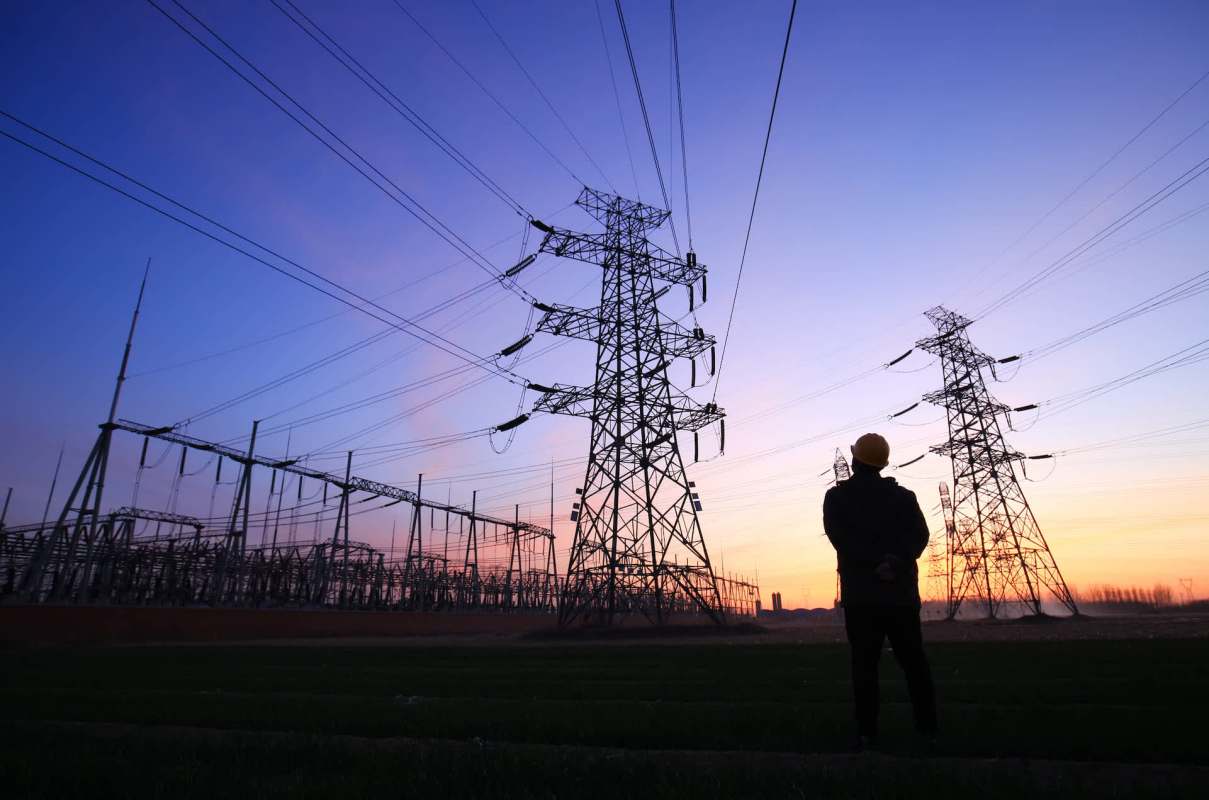
The Department of Energy has invested in the development of fusion energy.
The Fusion Innovative Research Engine Collaboratives will receive $128 million of the $134 million earmarked for two programs working to advance the sector, Inside Climate News reported.
FIRE comprises seven teams that are creating an "innovation ecosystem," according to a DOE news release. The Innovation Network for Fusion Energy program will receive $6.1 million to support 20 teams in commercializing the clean power source through private-public collaboration.
The DOE could invest another $92 million over four years in the FIRE Collaboratives. The INFUSE projects selected each earned $100,000 to $500,000 for research in materials science, laser technology development, high-temperature superconducting magnet assessment, and artificial intelligence learning for fusion modeling and simulation.
One expert told ICN that the total outlay is not much considering the technical and cost challenges of fusion energy development. The outlet noted that building fission reactors requires complex, time-consuming regulatory and safety steps, and that the process would be similar for fusion reactors.
But it may be decades before the technology is realized. Fusion power mimics what happens in the sun, combining nuclei instead of splitting atoms. The problem is that researchers have been unable to maintain or contain a reaction. The massive amounts of energy it takes to get to that step also make it impractical — for now, at least.
TCD Picks » Quince Spotlight
💡These best-sellers from Quince deliver affordable, sustainable luxury for all




"Nuclear development, whether it's fission or fusion, requires a level of seriousness that I think is just not present in most of these projects right now," Edwin Lyman, the aforementioned expert and director of nuclear power safety for the Union of Concerned Scientists, told ICN.
The potential for nearly limitless clean power, however, has enthralled scientists for decades. Fusion power could usher in an era of resource efficiency, potentially eliminating electricity bills for individuals, businesses, and cities. And because it doesn't produce the long-lasting radioactive waste that fission does, it would be a better choice for the warming world. A planetwide transition from dirty energy sources to renewable energy ones is necessary to reduce the production of heat-trapping gases that harm human health, and the cleaner these alternatives are, the better.
The Trump administration wants to quadruple the United States' nuclear power production by 2050, ICN pointed out. It has gone the other way with many other renewable energy projects, including stopping construction of the nearly complete Revolution Wind project off the coast of Rhode Island and canceling incentives for homeowners to install solar panels earlier than expected.
"Under President [Donald] Trump's leadership, DOE is unleashing the next frontier of American energy," Secretary of Energy Chris Wright said. "Fusion power holds the promise of limitless, reliable, American-made energy."
|
Should the government continue to give tax incentives for energy-efficient home upgrades? Click your choice to see results and speak your mind. |
 Absolutely 💯
Join our free newsletter for good news and useful tips, and don't miss this cool list of easy ways to help yourself while helping the planet.






