


After a bulk carrier ship ran aground and spilled over 1,100 tons of oil into the waters off southeast Mauritius, it devastated marine life and local fishing economies. But local
Sandy Monrose and other women banded together to turn the tragedy into new opportunities.
As the Guardian reported, Monrose comes from a long line of fishers and never pictured herself working the land. However, after the MV Wakashio, a Japanese-owned vessel, collided with the coral reefs near the village of Pointe d'Esny in 2020, it left her and other residents little choice but to search for new ways to generate income. While Monrose jumped into action after the accident, using her expertise in sewing fishing nets to teach others how to make massive booms to keep the oil away from the shoreline, it was no match for the pollution that ultimately killed dozens of dolphins and other aquatic animals.
Despite the accident bringing generations of fishing to an abrupt halt, it became a blessing in disguise for the community.
A few months later, Monrose was seriously considering starting a farm for both food security and financial stability. She and other women had floated the idea after meeting up to deliver food with a local non-governmental organization, but getting the ball rolling wasn't easy.
Knowing they would need outside help, Monrose made an appointment with Ferney Ltd, a private landowner and developer that serves as a hub for sustainable farmers. In a surprising twist of fate, the company offered her land that same day, as she told the Guardian. By 2021, the formerly denuded landscape, once the site of a sugar cane plantation, was showing signs of becoming a flourishing fruit and vegetable farm.
TCD Picks » Quince Spotlight
💡These best-sellers from Quince deliver affordable, sustainable luxury for all




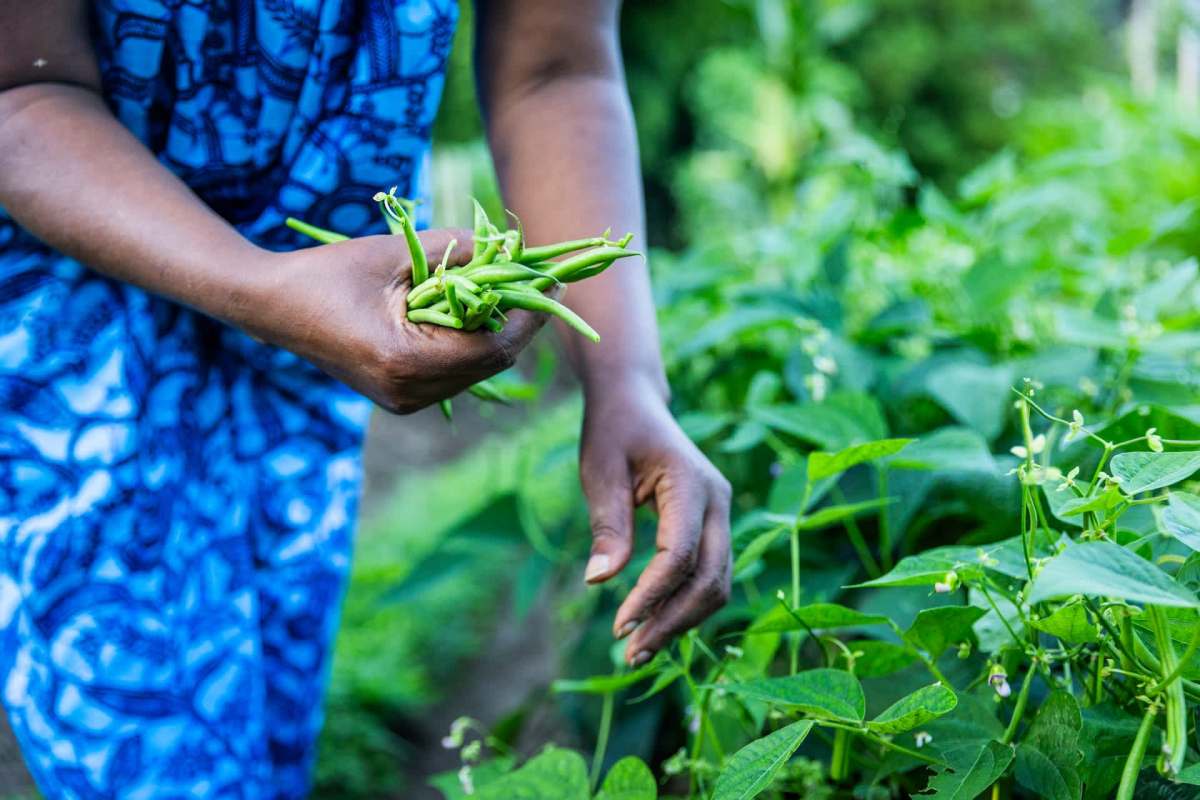
After receiving training in regenerative agriculture, beekeeping, and permaculture, the women began putting their newfound knowledge into practice. They created a compost pile on elevated land to allow the nutrients to flow to the crops, placed beehives strategically around the farm, and planted papaya and banana trees, as well as onions, potatoes, taros, bok choy, and a variety of other crops.
Monrose and four other women then formed the South-East Ladies Agro collective to provide a safe space for women to connect, share their experiences, and create a sense of solidarity. Not only does the group teach women how to become self-sufficient, but it also benefits the broader community, as its members restore local ecosystems and provide much-needed food security to the island.
According to Ferney, the group has now expanded to 11 members who have built a thriving fruit, vegetable, and herb farm on just over an acre of land. The efforts have enabled them to support their families, achieve financial independence, and contribute to their community, all while giving back to the planet.
"I never thought it would get this big," Monrose told the Guardian.
"The hours I spend here working the land are for me," Marie Claire Robinson, a farm trainee, added. "Now, I'm here, I'm not thinking about home. I've found something that keeps me going, and every day we're getting food to take home. Here we come back to the source as women."
|
What is the biggest reason you don't grow food at home? Click your choice to see results and speak your mind. |
 Not enough time ⏳
Join our free newsletter for good news and useful tips, and don't miss this cool list of easy ways to help yourself while helping the planet.







