


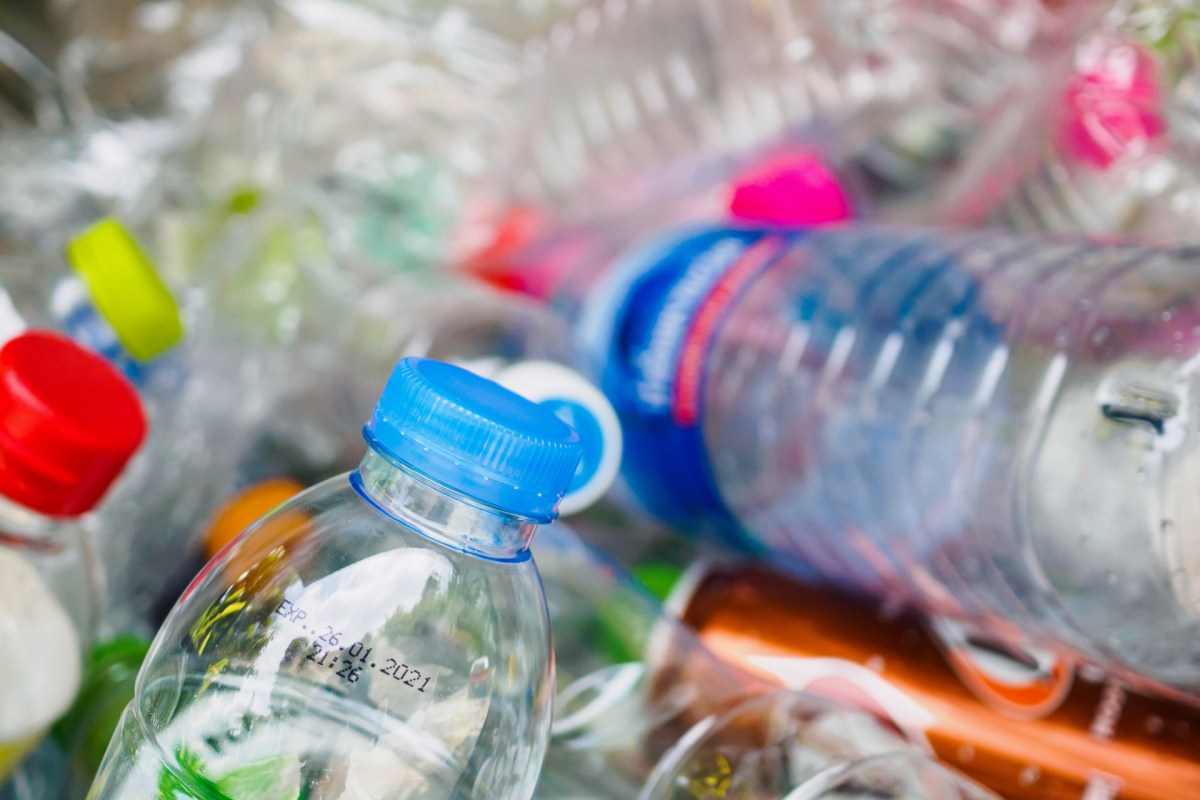
Here's a masterclass in how to turn trash into treasure.
Nobody likes seeing trash in their community, but young entrepreneur François Mbengue in Dakar, Senegal, has devised an ingenious solution. His innovation was spotlighted in a mini-documentary by Deutsche Welle (DW).
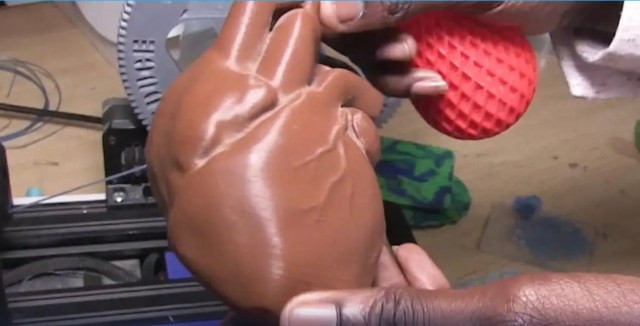
Mbengue transforms litter into useful educational tools by repurposing plastic bottles he finds on the streets. First, he uses hot air to make the plastic pliable, before putting it into a machine that stretches and cuts the waste into thin strips. These strips are used as filament in a 3D printer, which can then be used to create whatever the community needs.
From alphabet stencils for schools to plant pots for local urban gardeners, DIY tools, and even anatomical models for healthcare, the possibilities are widespread and have the potential to bring about real, positive change.
Gardener Abdou Touré uses 3D-printed containers for his plant nursery and remarked on how strong and long-lasting they are compared to new plant pots. "You can see the results," he commented in the DW documentary.
Providing greater accessibility to affordable and vital tools for the education, health, and agricultural sectors is an incredible feat in itself, but this technology also helps clear litter from the streets and prevent plastic waste from ending up in landfills.
TCD Picks » Quince Spotlight
💡These best-sellers from Quince deliver affordable, sustainable luxury for all




According to the Voice of America, more than 250,000 tons of plastic are discarded every year in Senegal, with only around 12% of this amount being recycled. Globally, over 450 million tons of plastic end up as waste.
Not only is this waste an eyesore in the community when it clutters our streets as litter, but it also causes a health risk. Plastics are often filled with toxic chemicals, and when they break down into microplastics, these particles end up in our food and water systems.
The Price of Plastic Pollution study estimates that the social costs arising from plastic pollution could be hundreds of billions of dollars per year, primarily due to the harm it causes to human health.
Litter and plastic pollution are enormous issues, and it's thanks to the work of innovators like François Mbengue that we can aim for a cleaner, safer future for all of us.
This is still a relatively new technology, with commercially available 3D printers gaining widespread accessibility only in the 2000s. However, it is often seen as a phenomenal way to advance sustainability. Some scientists are turning coffee grounds into biodegradable 3D printed plant pots, while designers are using 3D printing to create impressive, eco-friendly homes.
|
Which of these factors would most effectively motivate you to recycle old clothes and electronics?
Click your choice to see results and speak your mind. |
 Giving me money back 💰
 We can only hope to see this exciting new tech keep expanding and creating a greener future for us all.
And as for François Mbengue, he shared with the DW documentary that he aims to set up his own factory and work towards preventing imports of plastic into Senegal.
"These are products that we use and then throw back into nature, polluting it a lot," Mbengue commented. "So we have to recycle more and offer solutions…specifically in health, education, and agriculture."

Join our free newsletter for weekly updates on the latest innovations improving our lives and shaping our future, and don't miss this cool list of easy ways to help yourself while helping the planet.







