


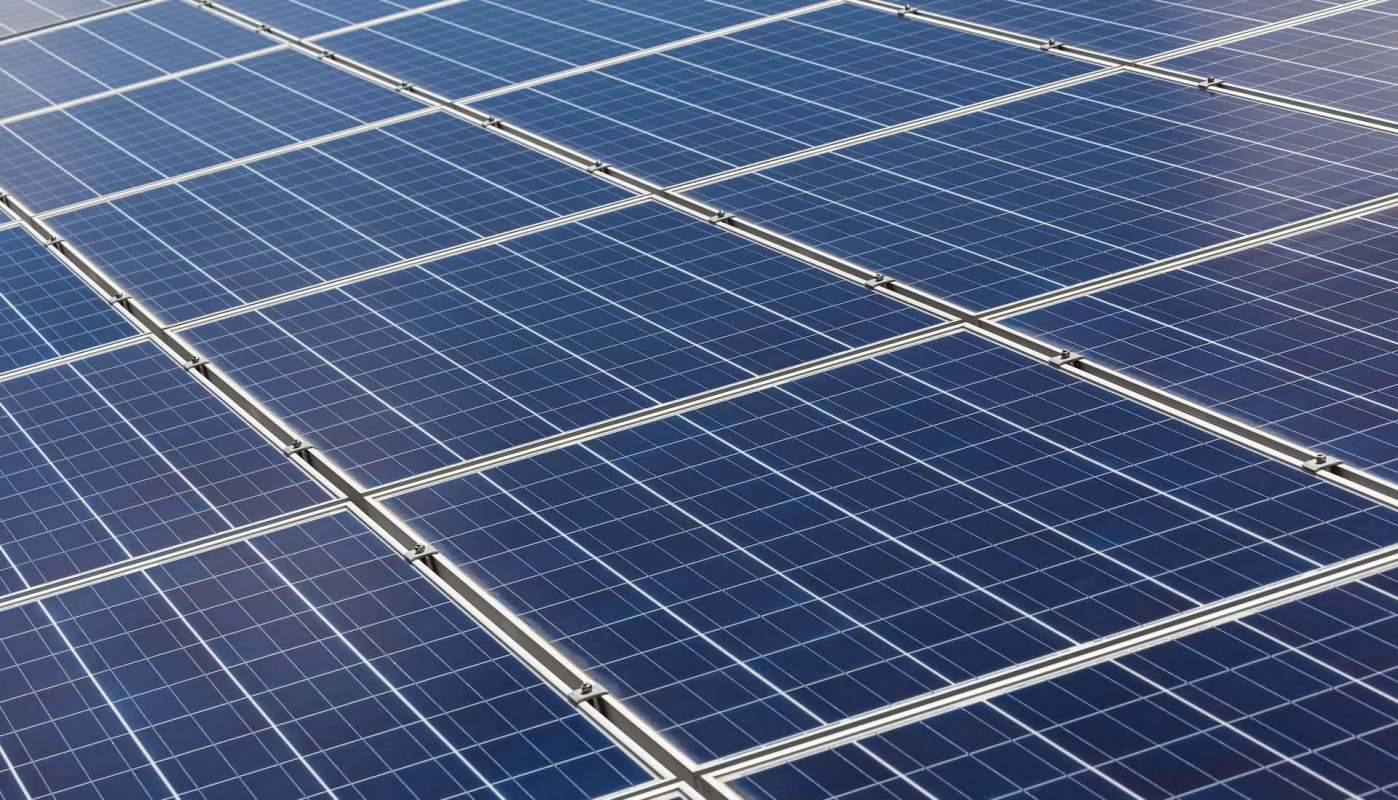
Rooftops are no longer the lone domains of household solar, as budget-savvy homeowners are taking advantage of improving technology to gather cleaner energy from a growing number of surfaces.
California public radio station KQED recently highlighted Berkeley hills resident Matthew Milner's foray into solar with an easily installed array that he attached to the side of a fence.
"We'd wanted to get rooftop solar, but it's so expensive," Milner said in the story. "This allows us to dip our toe in a little bit."
It's part of an amazing time for suncatchers, as they are being installed under train tracks, on public infrastructure, and on balconies.
Crushed by your bills? See instant solar savings from vetted installers in just a few clicks With energy prices through the roof, there's never been a better time to go solar — and EasyHome can help you find the best prices from the best installers in your area. EasyHome takes the guesswork and headaches out of energy upgrades by showing you estimated savings from a network of vetted local partners. To get started, just enter your ZIP and share a few details about your home — seeing your estimate is really that easy. |

Milner's setup is a fresh take on the latter concept. The small, portable array was assembled in a couple of hours, plugged into his house, and offsetting potentially dirty energy coming from the grid, according to KQED.
Solar is one of the best ways to lower, and sometimes eliminate, utility bills. But the price can be a detriment for many people. Rooftop arrays can cost up to $30,000, depending on the size and applicable incentives, according to EnergySage. It's a free resource that can help you compare quotes and find the right professional installer for a quick job. Fast action is important to land 30% tax credits that expire at the end of the year due to federal policy changes.
Milner's system — referenced in the industry as "plug-and-play solar" — comes at a fraction of the cost of the larger rooftop arrays. KQED reported that two panels and accessories from San Francisco's Bright Saver cost about $2,100 and can power lights, electronics, and maybe even an efficient refrigerator. It will take Milner less than five years for his energy savings to pay for the setup, which he got at a discounted price of $1,700. His power bill was running at up to $80 a month, all per KQED.
"It fixes our energy cost a little bit, because rates keep rising," he said in the story.
Thinner, smaller, and cheaper portable versions are in development by other companies with the goal of lowering costs through self-installation, KQED's report added. Leasing panels through programs such as Palmetto's LightReach is another option gaining traction.
The onus is surging power bills that are outpacing inflation. That's partly due to heat waves and data center energy demand, which requires loads of electricity for cooling and computing.
|
Would you cover your home with reflective solar paint? Click your choice to see results and speak your mind. |
 Sign me up 👍
EnergySage's mapping tool compares costs and incentives by state. Its overall guidance can save customers up to $10,000. Experts there can even help with an HVAC upgrade via heat pump guidance. The combination of solar energy and smarter tech can lower utility expenses even more. The tech can reduce household electricity costs for heating by up to 75%, according to the government.
It all limits heat-trapping air pollution generated by fossil fuels that are burned to make power. The lung-troubling fumes are linked by NASA to extreme temperatures that could soon force people from certain parts of the world.
More From EnergySage
💡Go deep on the latest news and trends shaping the residential solar landscape

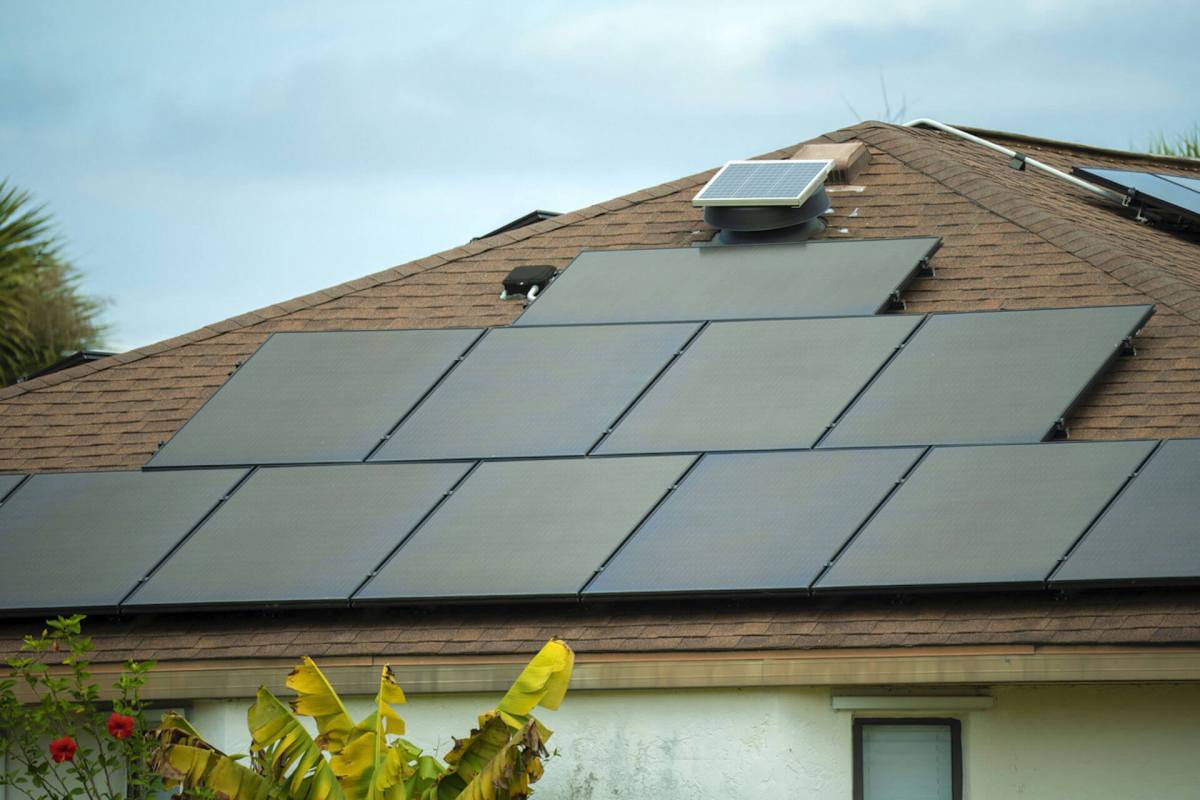

For plug-in solar's part, KQED reported that safety standards, rules, and even laws easing its use would help with adoption.
Republican Utah state Rep. Raymond Ward wrote legislation to make it easier for folks to use the lower-cost, convenient suncatchers.
"I'm interested in anything that helps move toward more abundant energy," he said in KQED's story.

Join our free newsletter for easy tips to save more and waste less, and don't miss this cool list of easy ways to help yourself while helping the planet.






