


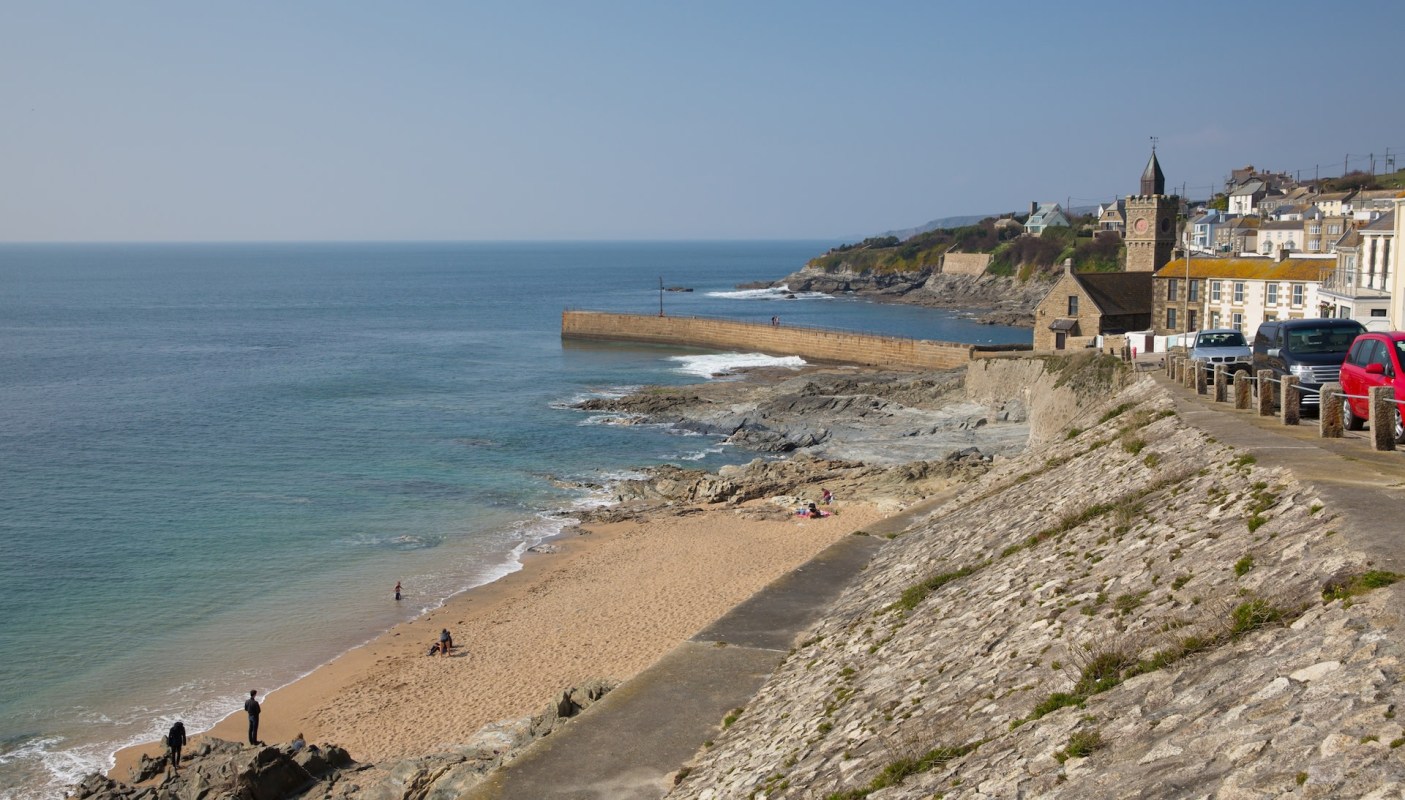
A leatherback turtle's death shows the risk marine wildlife face because of fishing lines.
What's happening?
As the BBC reports, the turtle was discovered at Porthleven Beach, on England's southwestern coast.
About a week beforehand, a fisherman reported that the turtle had become caught in his pot lines but that the turtle was so big he couldn't bring it to shore.
When it arrived on the beach, Cornwall Wild Trust was unable to do a full examination on it, as it was "too decomposed". The trust was, however, able to take some samples of the turtle for analysis and believes it is the turtle that was previously reported.
Why is this important?
Leatherback turtles are warm-blooded, making them able to survive cold waters like those in England. According to the trust, they are the only turtles that regularly come to the United Kingdom.
These turtles are also dwindling in numbers. Leatherbacks are considered to be vulnerable in the U.K. and are listed as endangered under the United States' Endangered Species Act. The National Oceanic and Atmospheric Administration says the global leatherback population has fallen by 40% over the past three generations.
TCD Picks » Quince Spotlight
💡These best-sellers from Quince deliver affordable, sustainable luxury for all




This incident also highlights the dangers that fishing gear poses for all marine life. Last year, a leatherback was found dead off the California coast after getting caught in crabbing gear.
"Sadly, occasionally, they do also get entangled," the trust said. "Like humpback whales, their long pectoral flippers make them prone to becoming entangled in rope attached to static gear."
What's being done to protect marine life?
Fishing lines have also been tied to numerous other wildlife deaths, particularly of birds. They are also a huge contributor to ocean waste, with billions of hooks and thousands of miles' worth of line estimated to pollute waterways each year.
Because of that, officials say they must work with anglers to find solutions that will protect wildlife moving forward.
"We appreciated the report from this fisherman," the trust told the BBC. "It is only by working with the fishing industry in this way that we can learn more to understand bycatch and ways to avoid it."
|
Do you think America does a good job of protecting its natural beauty? Click your choice to see results and speak your mind. |
 Definitely 👍
Join our free newsletter for good news and useful tips, and don't miss this cool list of easy ways to help yourself while helping the planet.







