


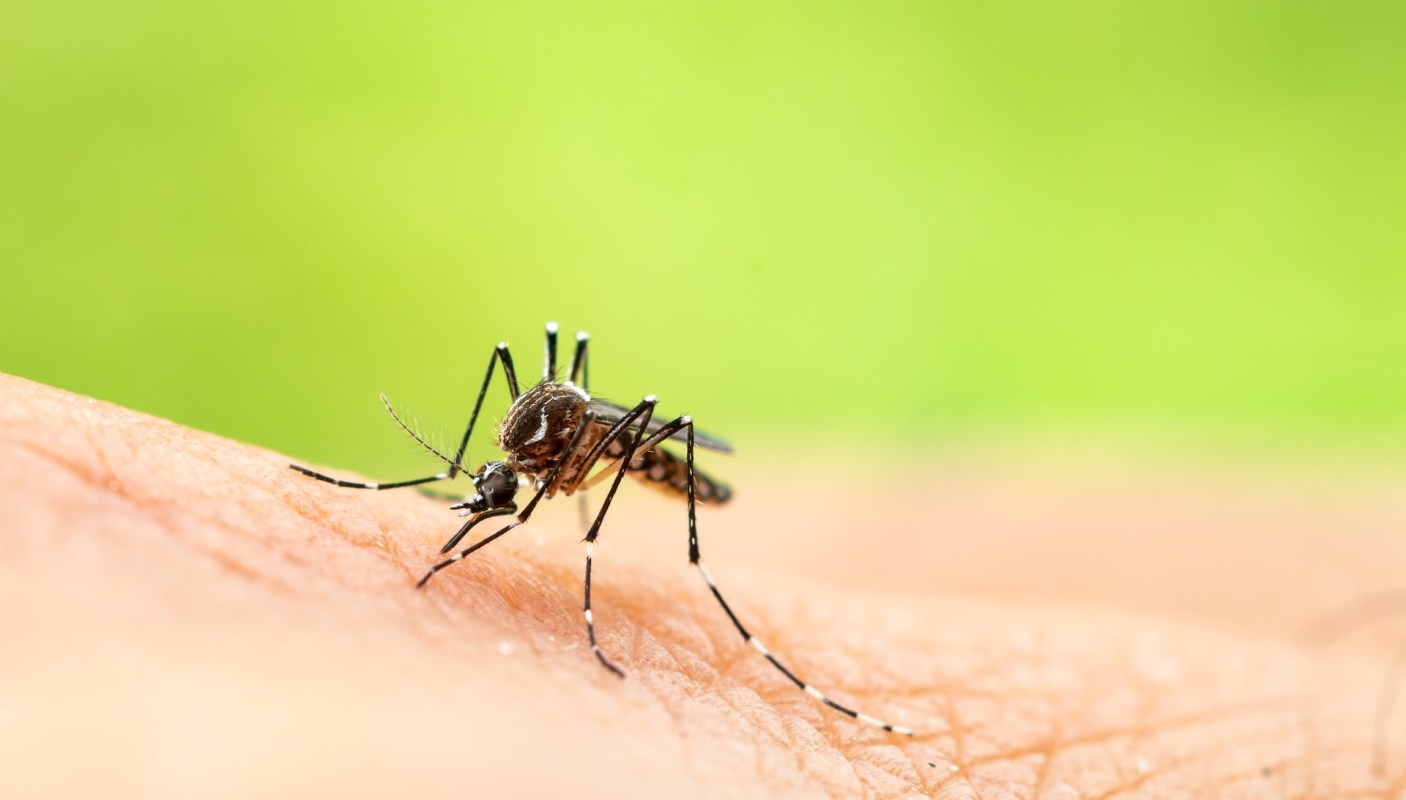
Michigan officials confirmed in late August that a Kent County resident had died of West Nile virus. The death is the first in the state to be attributed to the virus this year, according to the Detroit Free Press. This follows deaths in states including Ohio, Colorado, and Minnesota earlier this year.
What's happening?
West Nile is a mosquito-borne illness that can be transmitted to humans through the bites of mosquitoes infected with the virus after feeding on infected birds. Horses and other mammals can also become infected.
The Centers for Disease Control and Prevention says it can cause flu-like symptoms, including rashes, headaches, body aches, muscle weakness, fever, vomiting, and diarrhea. In severe cases, infected individuals can experience symptoms affecting the central nervous system, including disorientation, tremors, vision loss, paralysis, and coma.
Most people recover fully in a matter of weeks or months, but the virus can have lasting effects for some, and it also causes about 120 deaths in the United States each year. Globally, the numbers are harder to estimate, but the World Health Organization says the virus is common in Africa, Europe, the Middle East, North America, and West Asia.
Data shared by the CDC shows that, as of early September, there have been a total of 577 human cases of West Nile virus in the U.S. this year, with the majority occurring in the Central United States. Michigan has reported six cases so far in 2025, one of them fatal.
According to local news outlet FOX 17, mosquito traps set up across Kent County have captured mosquitoes carrying the virus, including one trap located less than a mile from the deceased person's home.
TCD Picks » Quince Spotlight
💡These best-sellers from Quince deliver affordable, sustainable luxury for all




"This tragic outcome is a reminder that mosquitoes in our area are active and capable of spreading serious illness," said Brendan Earl, supervising sanitarian at the Kent County Health Department, per the local outlet. "Prevention remains our best protection."
Why are mosquito-borne diseases concerning?
Rising global temperatures and changing weather patterns are creating prime conditions for vector-borne diseases to spread.
A study published in 2020 showed that "West Nile virus spreads most efficiently in the U.S. at temperatures between 75.2 and 77 degrees Fahrenheit," according to the National Science Foundation, which funded the research and said climate change could lead to increases in the spread of the virus.
As portions of the country see longer stretches of the year in that temperature range, transmissions could rise. Increases in rainfall could also keep certain areas damper and more conducive to insect breeding.
|
How bad are the mosquitoes in your area? Click your choice to see results and speak your mind. |
 What mosquitoes? 😎
 In addition to West Nile virus, mosquitoes can also transmit dengue virus, Japanese encephalitis, Jamestown Canyon virus, and more.
What can I do to help?
Ultimately, mitigating the spread of mosquito-borne illnesses will require efforts that effectively address rising global temperatures. But the public can also follow these "3 R's" to help prevent virus spread: reduce, repel, and report.
Residents can reduce the presence of mosquitoes in their homes by using window and door screens. Outside, eliminating standing water can be crucial in shrinking breeding grounds for mosquitoes.
The safe use of bug repellents can help deter mosquitoes and their bites. Wearing skin-protective clothing can also prevent bites, including for infants, who may not be able to wear repellents.
Officials have also requested that dead birds be reported to state health departments and wildlife agencies. Observing avian illness and death can help experts track potential West Nile virus activity as well as avian flu.

Join our free newsletter for good news and useful tips, and don't miss this cool list of easy ways to help yourself while helping the planet.







