


A massive chemical seizure in Peru is drawing attention to the human costs of dirty gold.
What's happening?
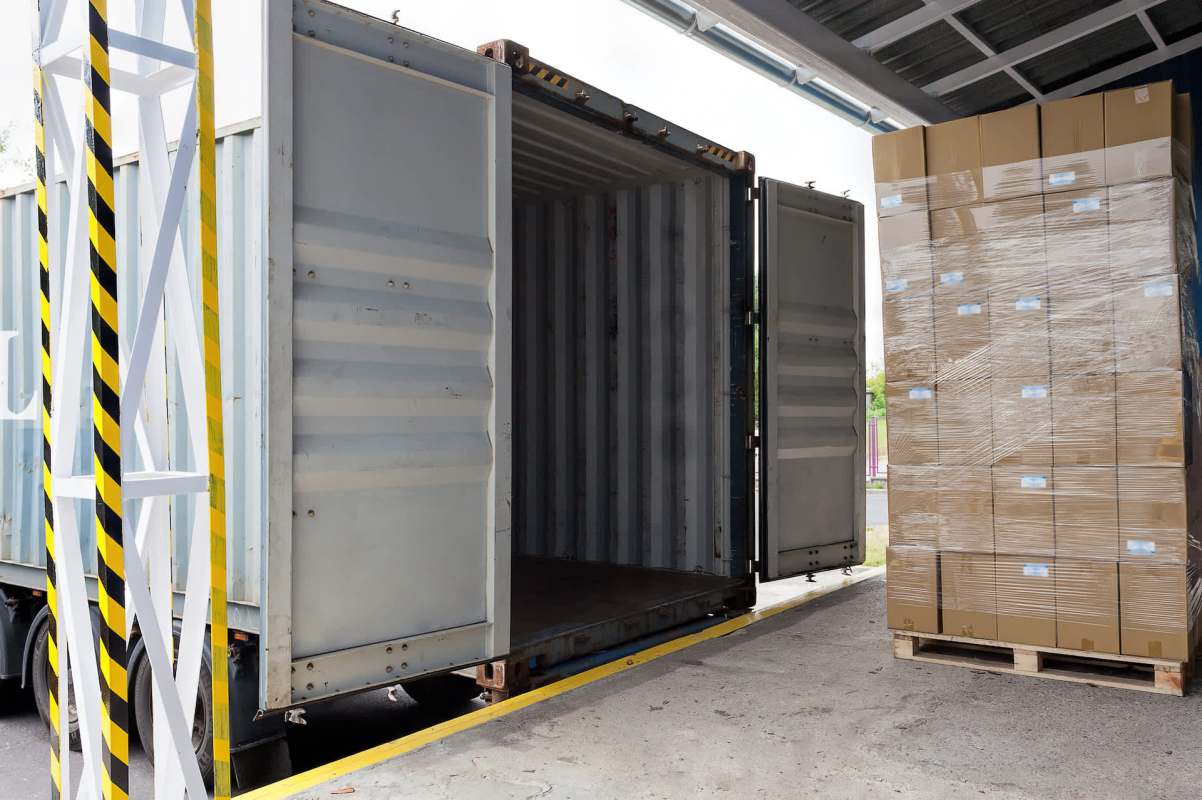
Reuters reported that four metric tons of black-market mercury bound for illegal mines were intercepted at the Port of Callao.
Peru's customs agency flagged a shipment disguised as rock fragments, discovering that it was concealing toxic mercury. The shipment was headed toward Bolivia for suspected use in illegal gold extraction.
The customs agency said, per Reuters, "We could determine that mercury was being transported in its natural state, camouflaged in shipments of gravel."
Investigators called it the Amazon region's largest mercury seizure on record. The Environmental Investigation Agency said traffickers have smuggled roughly 200 tons of mercury from Mexico to South America since 2019.
The bust comes amid surging gold prices, which are up about 28.5% this year, reaching a record in April. Alongside this, reports emerged of mercury selling for around $330 per kilogram on the black market, incentives that fuel criminal networks across borders.
TCD Picks » Quince Spotlight
💡These best-sellers from Quince deliver affordable, sustainable luxury for all




Why is illegal gold mining concerning?
Illegal gold mining is rampant in South America, and mercury is used to extract gold from river sediments.
However, when released into the environment, the substance converts to methylmercury. The Environmental Protection Agency shared that methylmercury is a potent neurotoxin that can move through waterways and into fish that many communities rely on.
Exposure can harm the brain and nervous system, with pregnant women and children especially vulnerable.
According to a study published in the Journal of Hydrology: Regional Studies, once mercury contaminates a watershed, the risks can linger for years.
|
Do you worry about having toxic forever chemicals in your home?
Click your choice to see results and speak your mind. |
 Majorly 😥
 It can negatively impact both food security and local economies even after mining operations move on.
What's being done about mercury pollution?
The EIA alerted authorities in Peru to the shipment as it probed cross-border mercury flows. Awareness of its toxic effects plays a key role in managing and preventing its use.
Globally, movements like the Minamata Convention advocate against the use of mercury and hope to eradicate its use.
Additionally, a court win on mercury in Colombia strengthened protections for Indigenous communities, while the mastermind behind a gold smuggling scheme is facing serious penalties.
Individuals can reduce demand for new gold by extending the life of devices to keep metals in circulation, staying informed on critical climate issues, and building awareness locally about toxic metals and their environmental impact.

Join our free newsletter for good news and useful tips, and don't miss this cool list of easy ways to help yourself while helping the planet.







