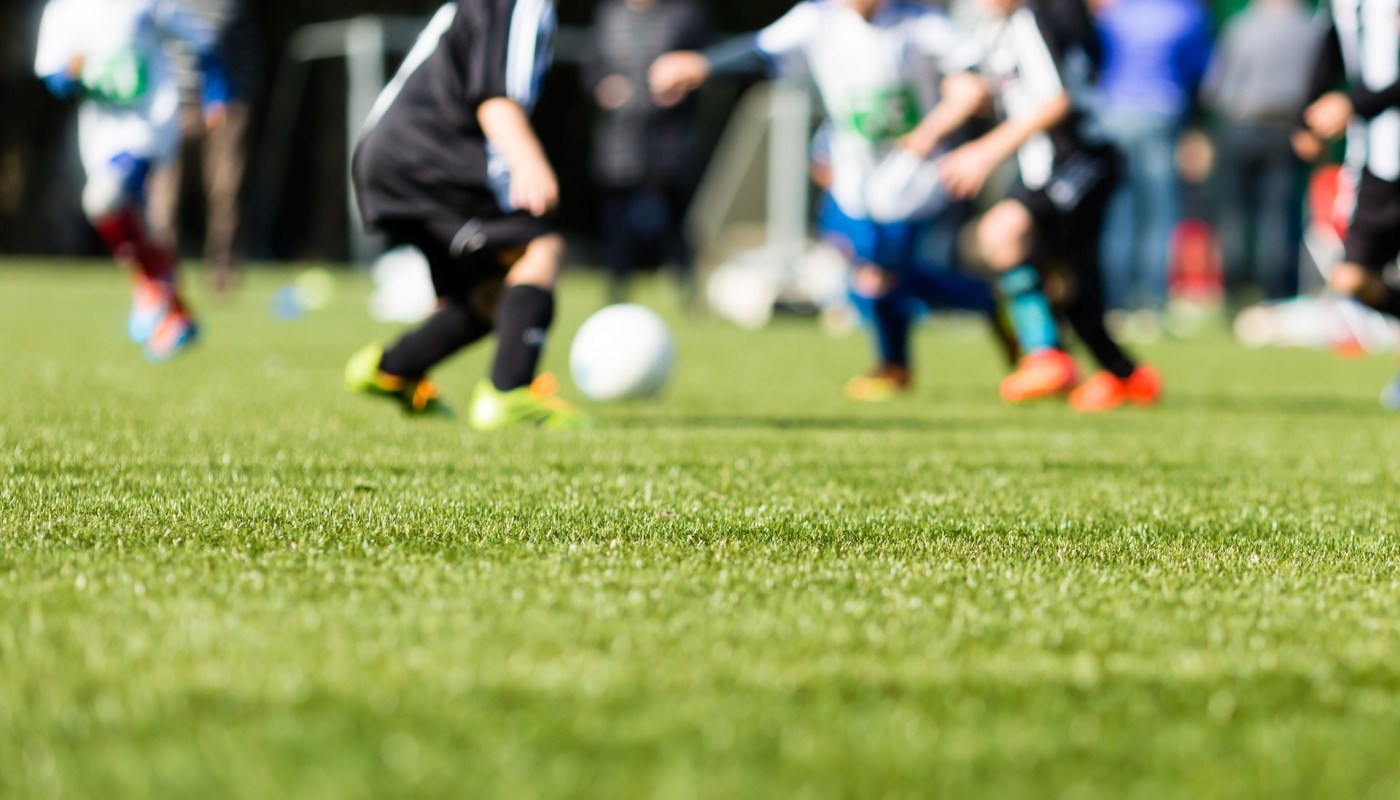
The debate around artificial turf is heating back up after a scorching summer in California left the fake grass too hot to touch.
As the University of Florida's Institute of Food and Agricultural Sciences reported, the hot fake turf lawns of California are raising concerns across the country, especially in states like Florida, where lawmakers are weighing whether to block local restrictions on the use of this product.
While many people assume artificial turf is a low-maintenance, eco-friendly alternative to natural grass, research shows the opposite is true.
Over time, fake turf sheds harmful chemicals like PFAS and microplastics into the soil and waterways, while also contributing to the urban heat island effect by trapping heat and releasing it into its surroundings rather than storing it.
In addition, a study found that athletes who play on artificial turf are showing elevated levels of PFOS, a type of PFAS, on their skin after matches, raising serious health concerns.
These toxic substances have been linked to cancer, liver damage, reduced fertility, and asthma. Adding to the risks, artificial turf can overheat under the sun and release pollutants like methane.
TCD Picks » Good Store Spotlight
Get 10% off your next purchase with code TCD10
"People assume artificial turf and xeriscape are always more sustainable," said Marco Schiavon, assistant professor of environmental horticulture and turfgrass. "But the thermal impact can be substantial, and in some cases, homeowners may end up watering artificial turf to make it tolerable, which defeats the purpose."
The financial burden is also great. Artificial turf installation can cost tens of thousands of dollars, and the plastic materials degrade quickly under sun exposure, requiring costly replacement.
Unlike California, Florida hasn't rolled out widespread fake turf-removal rebates or watering restrictions. However, some municipalities are proactively encouraging homeowners to use native plants and sustainable landscaping techniques that require little to no irrigation.
Natural lawns can save money and time while creating a healthier ecosystem. Not only are they climate-resilient solutions, but they can also dramatically lower water bills while reducing yardwork. Even partial lawn replacements with native plants provide habitat for pollinators, ensuring stronger food systems for everyone.
Ultimately, while artificial turf may promise a picture-perfect lawn, choosing native plants and sustainable landscaping offers a cooler, cheaper, and truly greener solution from sea to shining sea.
|
Do you think the government should ban gas-powered lawn tools? Click your choice to see results and speak your mind. |
 No way 🙅
Join our free newsletter for easy tips to save more and waste less, and don't miss this cool list of easy ways to help yourself while helping the planet.