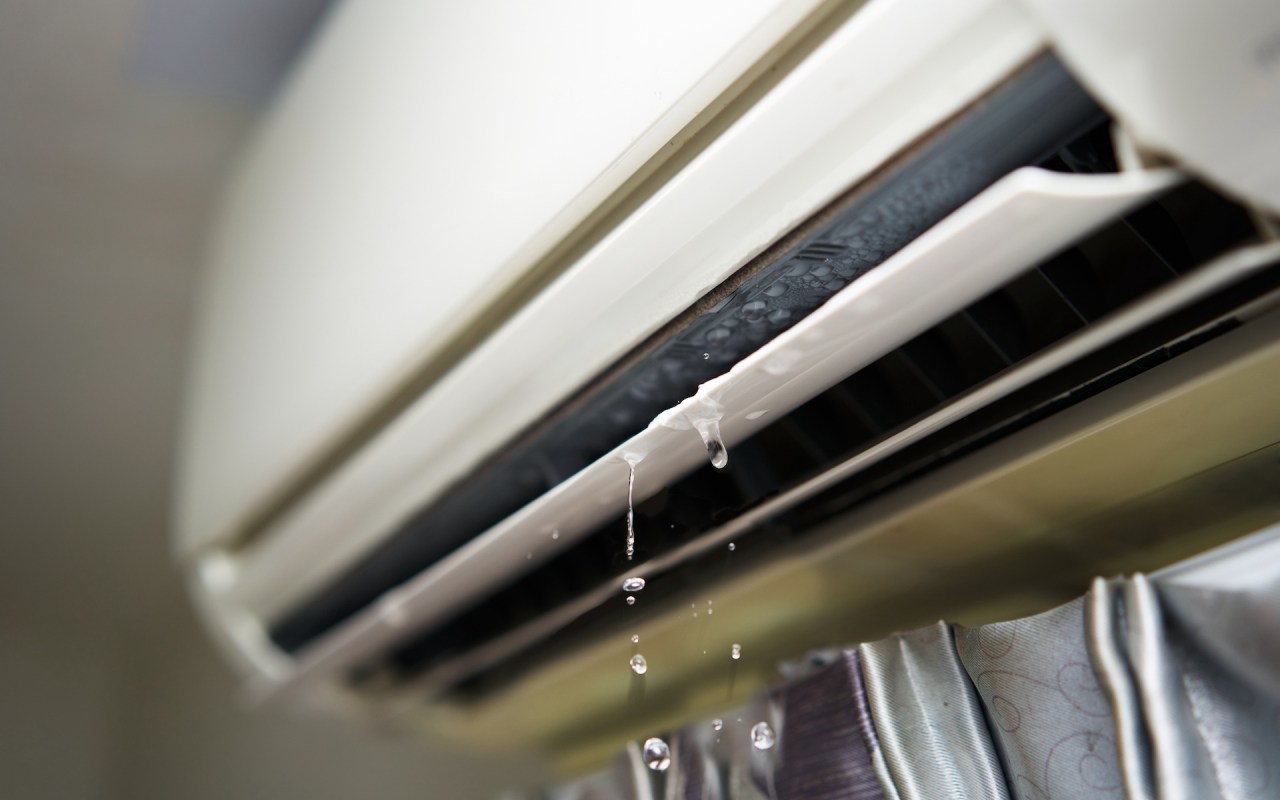
Two consecutive days with a high temperature soaring to 115 degrees in the middle of June marked the hottest days of the month for Bullhead City, Arizona. The heat proved deadly for a 52-year-old man whose air conditioning broke down in his home as the heat surged, and his family is now telling that story.
Triple-digit heat is expected in Bullhead City during the first month of meteorological summer. Average high temperatures start off around 102 degrees at the start of June and climb to 110 degrees at the end of the month. However, when the heat spiked to 115 degrees on June 15 and June 16, it was the hottest two days of the year to that point in the town located about 100 miles northwest of Phoenix.
It was the kind of heat that usually falls into the extreme HeatRisk category. "For people without effective cooling, especially heat-sensitive groups, this level of heat can be deadly," according to the National Weather Service's definition of that category.
Richard Chamblee was one of the people for whom the experimental HeatRisk tool was designed to warn of the deadly impacts of dangerous heat. It was developed by the National Weather Service and the Centers for Disease Control and Prevention. Chamblee was a bedridden, clinically obese man who lived in an older mobile home. His core temperature had risen to 108 degrees by the time he made it to the emergency room. It was unfortunately too much for his heart.
"We did our best to cool him down, but we live a couple of hours from Death Valley, the hottest place on Earth, and my dad couldn't move," Richard's son John told The Guardian on Sunday. "My mom lives paycheck to paycheck and if the AC breaks down in the summer and you can't afford to fix it, you will die here. My dad proves that."
The buildup of heat-trapping gases in our atmosphere is supercharging extreme weather events like deadly heat waves. A recent report from the World Meteorological Society that focused on workplace heat stress found the frequency and intensity of extreme heat events are becoming both more frequent and more intense, posing growing dangers for people working indoors and out.
TCD Picks » Quince Spotlight
💡These best-sellers from Quince deliver affordable, sustainable luxury for all




"Health risks include heatstroke, dehydration, kidney dysfunction, and neurological disorders, all of which hinder long-term health and economic security," the study concluded. "Approximately half the global population suffers adverse consequences of high temperatures."
Heat is by far the leading cause of weather-related deaths in the U.S. An average of 238 people have died each year in the country over the period since 1995. There were more deaths from heat over the past 30 years than from flooding, tornadoes, and hurricanes combined. There have been 64 heat-related deaths in Maricopa County, home to Phoenix, this year alone. Heat-related deaths have risen sharply there over the past 10 years, with more than 600 in both 2023 and 2024.
Through July, Arizona was having its 14th-warmest year on record. The two-year period ending this July was the second-warmest such period on record for the state. Deadly heat continued to threaten millions as meteorological fall began. There were nearly 24 million people across portions of at least six states under heat alerts in early September.
Richard Chamblee's wife, Sherry Chamblee, said it had felt like a relatively normal heat wave and they had thought they were out of the woods before her husband took a turn for the worse, showing how quickly the risks associated with extreme heat can go from uncomfortable to dangerous or even fatal.
"It was the end of the day and it was cooling off slightly, so we thought he'd be OK. He thought he would be OK," Sherry said. "We had no idea the heat could be so dangerous so quickly inside. It just happened so fast."
|
How much do you run your AC during the summer? Click your choice to see results and speak your mind. |
 Constantly 🫠
Join our free newsletter for good news and useful tips, and don't miss this cool list of easy ways to help yourself while helping the planet.