


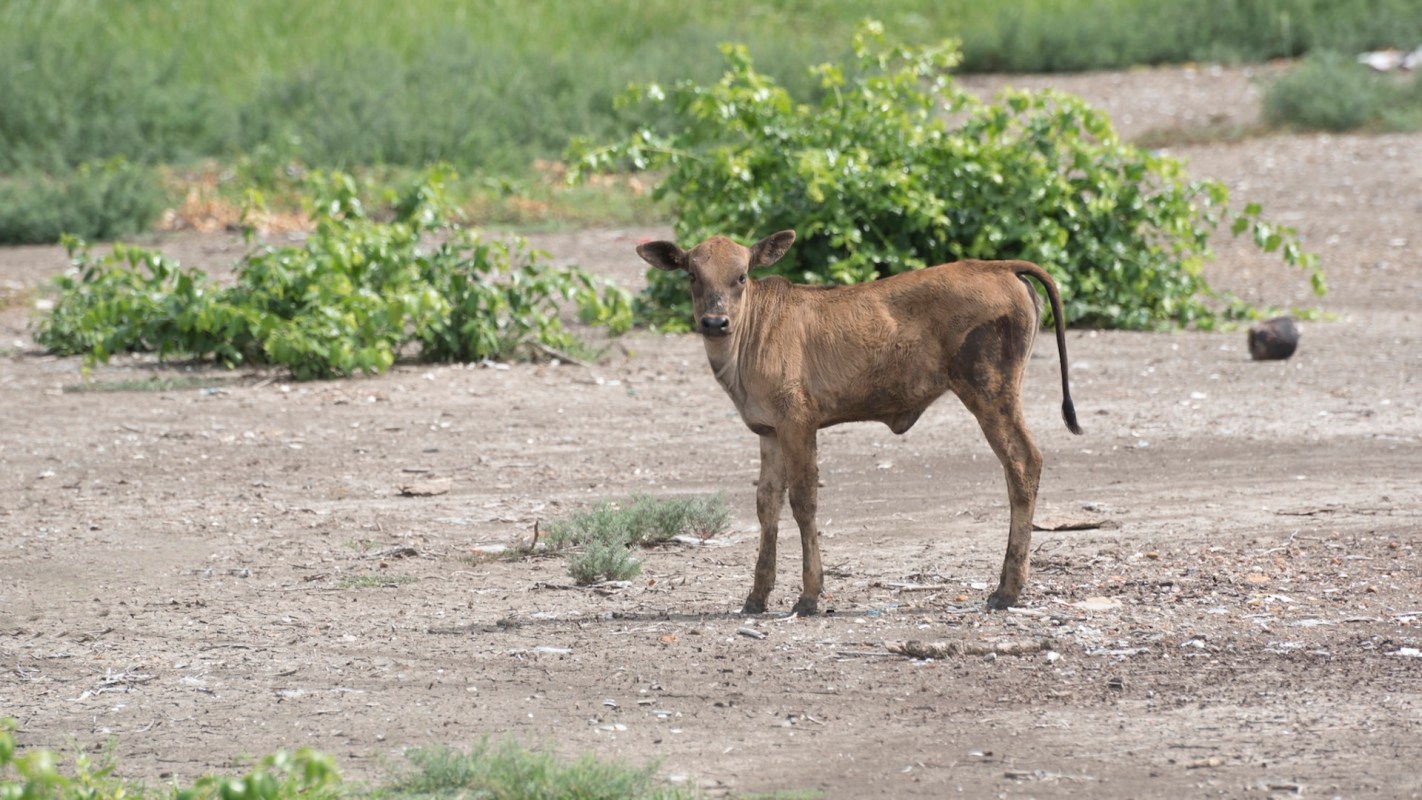
Wildfire smoke isn't just harmful to health — it hurts wallets too, including in the grocery aisle. Research has found that the longer wildfire smoke lingers in the air, the worse the health impacts are for cattle, a finding with major potential implications.
What's happening?
The key threat is a specific fine particulate matter, called PM2.5, which travels into the lungs and bloodstream through airborne exposure. Farmers throughout the Midwest have been witnessing its impacts as wildfires have raged throughout the region this summer.
The decrease in air quality triggers an immune response and causes increased stress in cattle, along with a host of other related illnesses and impacts, local station Fox 6 Milwaukee reported.
For example, one new study from Oregon State University found a correlation between smoke exposure and respiratory inflammation, frequency of disease, changes in feeding behavior leading to slower weight gain, and even premature death. Similarly, undergoing frequent stress and illness can result in a loss of muscle tone and higher stress hormone levels.
This is true of both beef and dairy cattle. One study, published in the journal Environmental Research, found that higher levels of PM2.5 were linked to reduced milk yield in dairy cows, likely due to oxidative stress and inflammation from the pollution. Longer exposure amplified these impacts.
Why is this correlation so concerning?
Lower meat and dairy yields for farmers will affect both farmers and consumers. Prices will likely be driven higher if farmers need to spend more money on stress-reduction measures and veterinary care.
TCD Picks » Quince Spotlight
💡These best-sellers from Quince deliver affordable, sustainable luxury for all




It's just one way that wildfires — which have become more intense and long-lasting due to global heating — are incredibly damaging to the environment and the economy. They destroy buildings, ravage crops, and contribute to increased health risks from air pollution.
What can be done to mitigate this damage?
Researchers have recommended that farmers constantly monitor air quality to avoid working cattle on smoky days, which have been associated with increased stress. They also advise that things like shade, fresh air, fresh water, and recovery time can go a long way toward reducing stress and illness.
However, these don't address the root cause of the issue — increasingly intense wildfires — and much of that work remains to be done by governments and corporations. Their actions, whether regulatory or operational, are the heaviest-hitting when it comes to moving away from heat-trapping pollution to ensure a cleaner, cooler future.
And when it comes to grocery shopping, a simple way to avoid price increases in animal products is to eat more plant-based meals. Additionally, the average person wastes about $750 per year on uneaten food, so planning ahead and shopping smarter at the grocery store can also make a difference to your food budget.
|
Do you worry about the quality of the air inside your home?
Click your choice to see results and speak your mind. |
 Yes — often 😬
Join our free newsletter for easy tips to save more and waste less, and don't miss this cool list of easy ways to help yourself while helping the planet.







