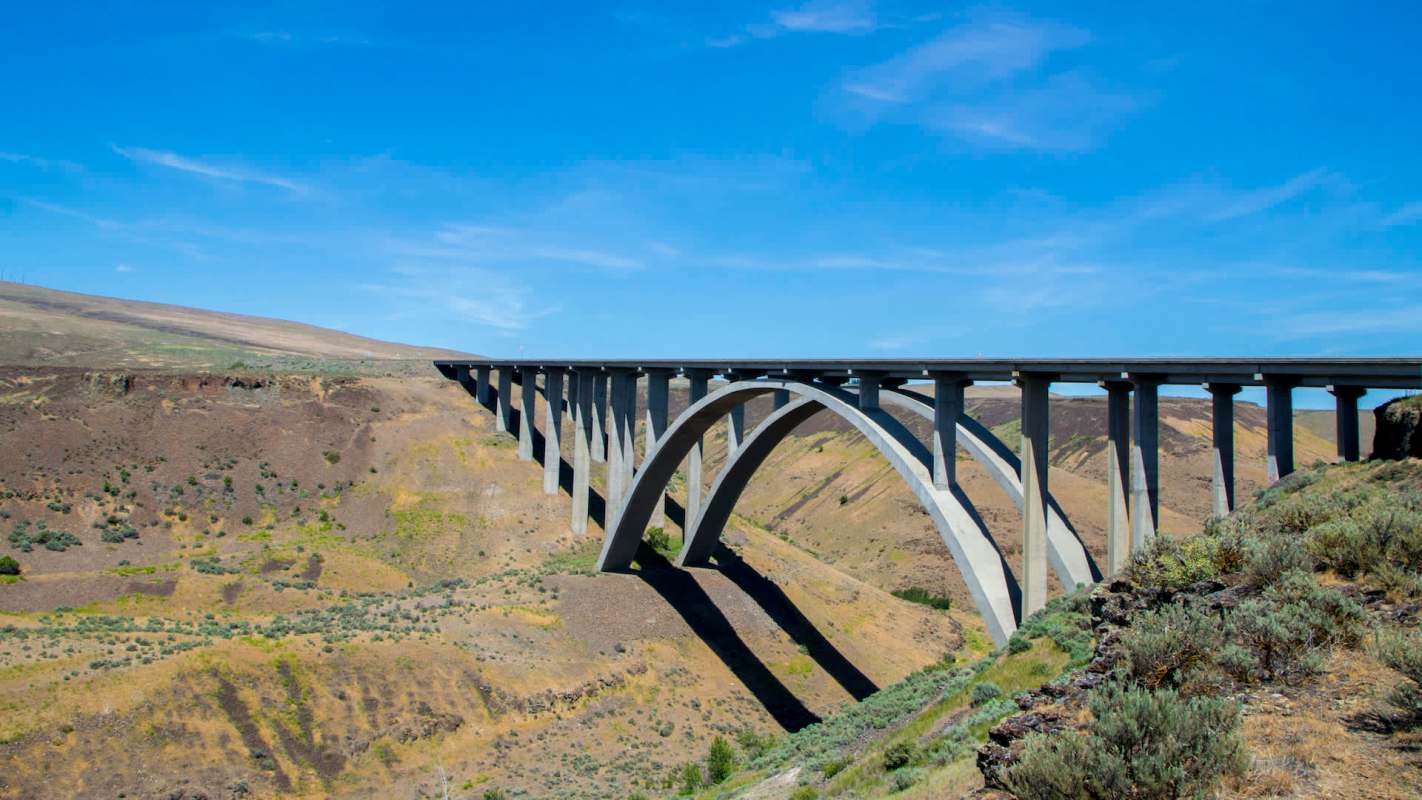
The Yakima Basin in Washington state is entering its third consecutive year of severe drought, marking what officials are calling the third-worst water shortage in the region's recorded history.
What's happening?
According to Apple Valley News, reservoirs across the Yakima Basin were operating at less than 40% capacity as of Aug. 1, well below normal for this time of year.
The U.S. Bureau of Reclamation announced that senior water rights holders will still get their full share, but those with junior rights are receiving only about 40% of their usual allocation.
"So we're in the third year of a consecutive drought. It's a pretty significant issue for the communities in the Yakima Basin, both for fish and agriculture," said Chad Stuart, Yakima field office manager for the bureau, per Apple Valley News.
The problem stems from three straight years of reduced mountain snowpack and declining rainfall. Snowmelt and seasonal precipitation normally recharge the basin's reservoirs, but with each passing dry year, the water deficit has only deepened.
Why is this drought concerning?
This pattern reflects a troubling trend linked to our planet's overheating caused by pollution from burning coal, oil, and gas. While droughts have always occurred naturally, the scientific consensus shows that human activity is supercharging extreme weather events, making them more intense and long-lasting.
TCD Picks » Quince Spotlight
💡These best-sellers from Quince deliver affordable, sustainable luxury for all




Rising global temperatures disrupt natural water cycles by increasing evaporation rates and shifting precipitation patterns. Warmer air can hold more moisture, leading to more extreme swings between wet and dry periods.
Mountain snowpack, which serves as nature's water storage system for much of the western United States, is melting earlier and faster, reducing the steady water supply that rivers and reservoirs depend on throughout the growing season.
If these trends continue, agricultural losses, increased wildfire risk, and stressed water systems will become an even bigger challenge for communities across the country
What's being done about the drought?
The Bureau of Reclamation is implementing the Yakima Basin Integrated Plan, which focuses on conservation, groundwater development, and habitat restoration to create a more resilient water system.
|
Do you take steps to conserve water at home? Click your choice to see results and speak your mind. |
 All the time 😎
 Communities across the country are developing innovative drought solutions. For instance, cities like Los Angeles have invested nearly $1 billion into wastewater conversion facilities.
Water conservation at home also makes a difference. Every gallon saved helps communities stretch their water supplies during increasingly unpredictable weather patterns. But most of all, staying educated regarding these critical climate issues is the best way to stay resilient against them.

Join our free newsletter for good news and useful tips, and don't miss this cool list of easy ways to help yourself while helping the planet.