


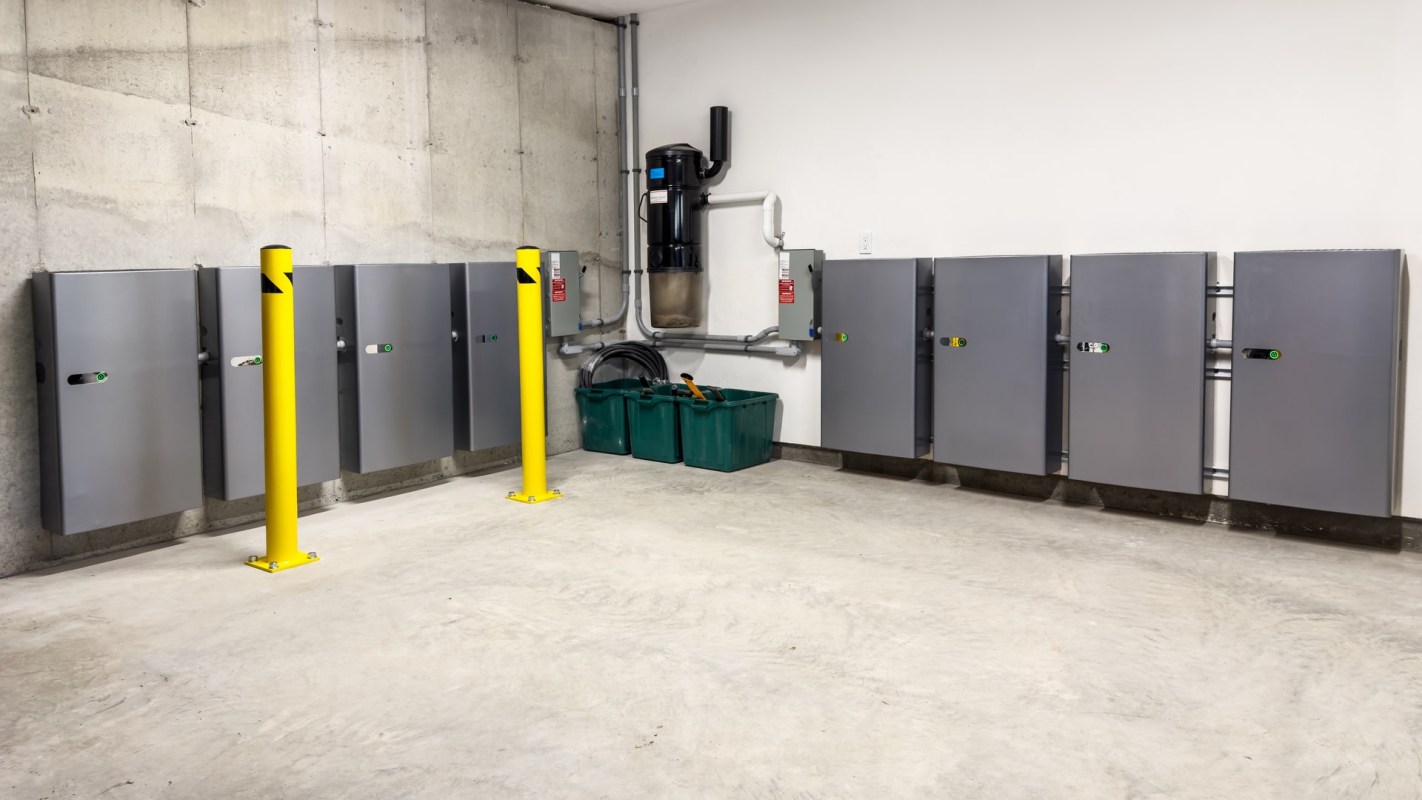
Homes may soon have a safer, longer-lasting way to store clean energy, according to CleanTechnica.
StorEn's vanadium flow battery offers a 20-year lifespan and nonflammable chemistry, traits that could set it apart from lithium-ion products such as Tesla's Powerwall.
Unlike most home batteries, which degrade within a decade, StorEn's system maintains its performance for twice as long while avoiding the fire risks associated with lithium-ion batteries.
Its design adapts proven industrial energy technology, typically used in large-scale facilities, to a garage-sized format. By minimizing the need for replacement and employing safer chemistry, it offers a more reliable way to power homes during outages or after sunset.
The demand for advanced home energy storage continues to rise. Nearly half of U.S. homes with rooftop solar panels are projected to add battery storage by 2050, creating opportunities for advanced systems to replace aging models.
As with other innovations, such as virtual power plants, improved storage allows households to utilize more of their own solar energy instead of depending on grids that rely on coal, gas, or oil. Pairing this storage with installed solar panels can further reduce utility costs and mitigate heat-trapping air pollution linked to respiratory illnesses.
TCD Picks » Quince Spotlight
💡These best-sellers from Quince deliver affordable, sustainable luxury for all




Long-duration storage also keeps critical appliances running through multi-day outages caused by extreme weather.
StorEn's approach broadens clean energy access beyond single-family homes.
The technology can support telecom infrastructure, microgrids, and remote communities, similar to the systems in modular home batteries. Its durability and safety make it ideal for areas where battery failure could disrupt essential services.
Lithium-ion alternatives are drawing attention across the sector, from sodium-ion systems to 3D-printed designs. The sodium-ion battery plant demonstrates how diverse solutions can strengthen supply chains and reduce reliance on scarce materials.
"We've basically taken the same technologies that power entire cities and we've engineered it small enough to fit in your garage," said StorEn CEO Angelo D'Anzi. "This is what the future of home energy should look like."
|
Would you want EV-charging roads installed in your town? Click your choice to see results and speak your mind. |
 Sign me up 👍
Join our free newsletter for weekly updates on the latest innovations improving our lives and shaping our future, and don't miss this cool list of easy ways to help yourself while helping the planet.






