


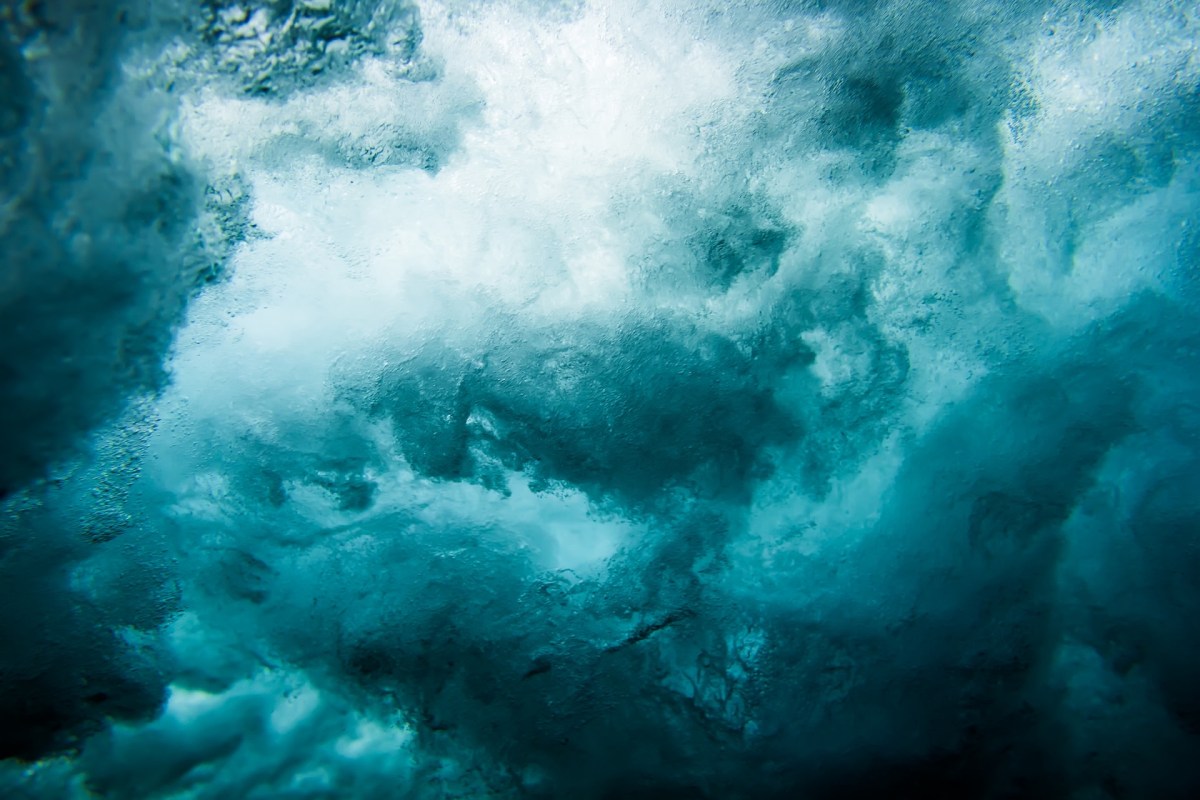
A new study has revealed that the Greenland ice sheet is melting at an increasingly faster rate due to huge underwater waves that churn up warm seawater.
What's happening?
A GreenFjord project research team unveiled the findings via the latest Nature cover, according to the University of Zurich. It found that massive chunks of ice that break off the Eqalorutsit Kangilliit Sermiat glacier — and cause these waves — "prolong water mixing, bringing a steady supply of warmer water to the surface."
The underwater waves, comparable in height to skyscrapers, are not visible, unlike the surface waves created by this ice calving. However, they also drive melting and erosion, which then leads to more calving.
"The warmer water increases seawater-induced melt erosion and eats away at the base of the vertical wall of ice at the glacier's edge. This, in turn, amplifies glacier calving and the associated mass loss from ice sheets," co-author Andreas Vieli said.
The team used a 10-kilometer fiber-optic cable to measure ground motion via distributed acoustic sensing. Data showed that after surface waves dissipated, the subsurface waves were still pushing up warmer, denser water from the bottom of the fjord.
Why is this important?
"The fiber-optic cable allowed us to measure this incredible calving multiplier effect, which wasn't possible before," lead author Dominik Gräff of the University of Washington said.
TCD Picks » Quince Spotlight
💡These best-sellers from Quince deliver affordable, sustainable luxury for all




It was placed hundreds of meters from the front of the 80-meter-tall (262-foot-tall) ice shelf at 300 meters (984 feet), the depth of the seabed, allowing scientists to safely measure the effects of calving and go deeper than conventional remote sensing methods, which are limited because satellites cannot show what goes on where glaciers and seawater interact under the surface.
"Our previous measurements have often merely scratched the surface, so a new approach was needed," Vieli said.
The release noted that the Greenland ice sheet holds enough water to spike global sea levels by seven meters (23 feet) if it were to melt. Glacial meltwater affects ocean currents, climates, and ecosystems.
"Our entire Earth system depends, at least in part, on these ice sheets. It's a fragile system that could collapse if temperatures rise too high," Gräff said.
|
Do you worry about companies drilling too deep into the ground? Click your choice to see results and speak your mind. |
 Definitely 💯
 What's being done about glacier calving?
The glacier, which is three kilometers (1.9 miles) across where it meets the water, sheds 3.6 cubic kilometers (0.9 cubic miles) of ice every year. Slowing this freight train will require a herculean effort to keep global temperatures from continuing to rise. The ice sheet itself has lost mass every year since 1998 because of the planet's alarming warming.
Individuals can vacation and travel responsibly by avoiding flights as much as possible, making energy-efficient home upgrades, and reducing their consumption of beef and dairy products. These steps reduce the production of heat-trapping pollution, and they will also save you money.

Join our free newsletter for good news and useful tips, and don't miss this cool list of easy ways to help yourself while helping the planet.







