


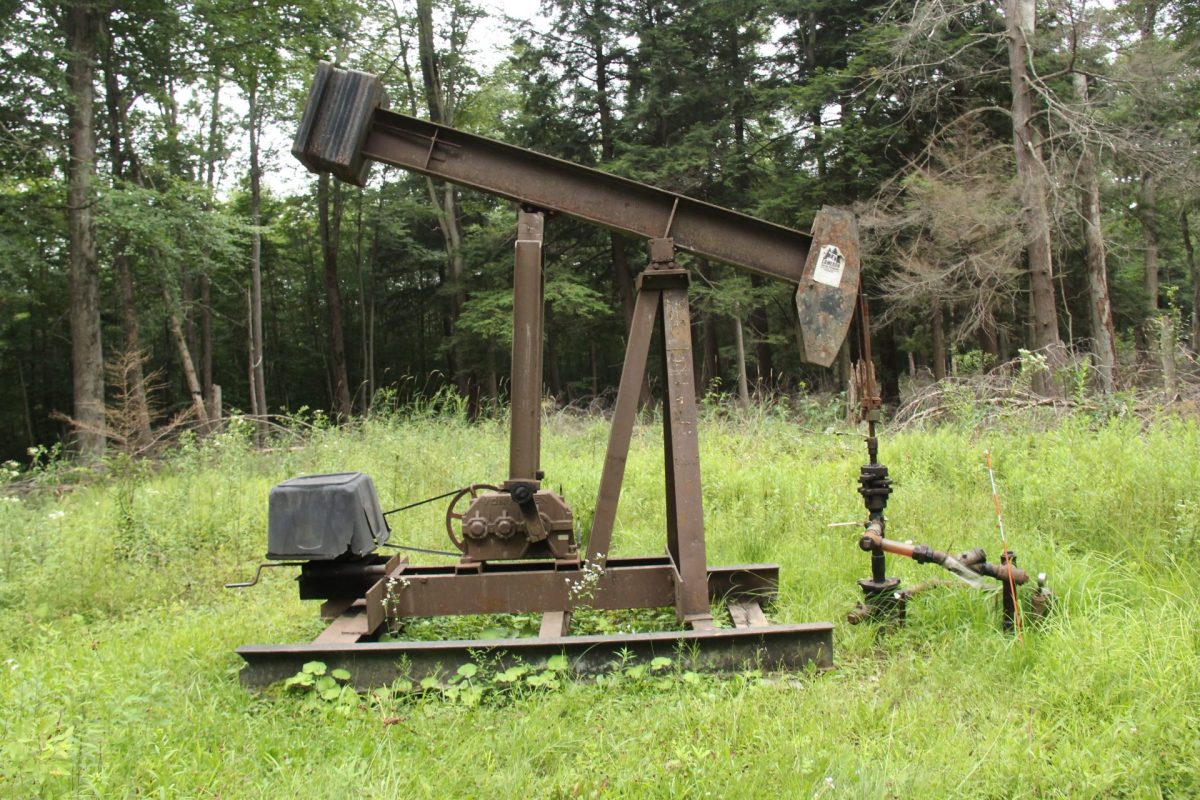
Right now, there are over 1 million unplugged or abandoned oil and gas wells across the U.S., according to the Environmental Protection Agency, hidden in plain sight but creating harmful pollution in local neighborhoods.
A group of moms armed with drones and backpacks filled with methane monitors is on a mission to track down these so-called "orphan wells" that no longer have an owner responsible for maintaining or capping them off.
As a mother living in Pennsylvania — which has the highest concentration of orphan wells in the country given its history as essentially the birthplace of the oil and gas industry — Patrice Tomcik, senior national field director for Moms Clean Air Force, is very concerned. "This is a public health and safety issue that needs to be addressed," she said.
"Orphan wells put the health and safety of those who live nearby at risk because they can leak oil, gases, and other toxic chemicals into the air, soil, and water," she told The Cool Down.
"Families who live near orphaned wells are at an increased risk of exposure to pollution, including methane and volatile organic compounds (VOCs) such as benzene. Benzene can cause cancer and affect the nervous, immune, and respiratory systems."
Additionally, trapped flammable gas from orphan wells also poses risk of explosion in homes and other buildings.
Thanks to the efforts of Moms Clean Air Force — a 1.5 million-member organization where moms, dads, and caregivers are fighting to protect their children's health — progress is being made.
Plugging orphan wells across the country
Moms Clean Air Force, alongside its parent organization, the Environmental Defense Fund, is working to find the hundreds of thousands of abandoned gas wells and collaborate with relevant government authorities to clean up each site.
Crushed by your bills? See instant solar savings from vetted installers in just a few clicks With energy prices through the roof, there's never been a better time to go solar — and EasyHome can help you find the best prices from the best installers in your area. EasyHome takes the guesswork and headaches out of energy upgrades by showing you estimated savings from a network of vetted local partners. To get started, just enter your ZIP and share a few details about your home — seeing your estimate is really that easy. |

Tomcik, for example, is hard at work with the Pennsylvania Department of Environmental Protection to locate orphan wells in the western part of the state. She told The Cool Down that last year, they identified around 250 orphan wells in a region just eight square miles large.
This summer, teams have been heading into urban and suburban areas — where towns were actually built over unplugged wells before regulations went into effect — to find more. "Many of these wells can be found in basements, under driveways, in parking lots, in parks, and more," Tomcik said.
|
Do you worry about having toxic forever chemicals in your home?
Click your choice to see results and speak your mind. |
 Majorly 😥
 "We will be testing methods for finding wells in these areas by using a vehicle with methane sensors, [doing] walking surveys with backpack magnetometers and methane sensors, and [conducting] drone surveys with magnetometers [which can identify a well's unique magnetic signature] in select areas."

How you can help plug orphan wells in your community
"There is wide bipartisan support for locating orphan and abandoned wells and plugging them, because it helps protect the health of families, our climate, and creates jobs," Tomcik said.
The good news is that multiple states have received federal funding to address the issue, including Ohio (with over $57 million received), Alaska and New York ($25 million apiece), Indiana (over $14 million), and Arizona (just shy of $5 million). Even Glacier National Park has received funding to plug the orphan wells within the park and prevent the further release of dangerous methane gas.
While it may be tempting to head out on an exploratory mission to search for orphan wells near your home, here are the best ways for concerned citizens to mitigate the issue:
- If you think you've found an orphaned well near where you live (they can often have a bad rotten eggs smell from hydrogen sulfide), call or email your local environmental agency so they can have someone tag and plug the well. Companies like ClimateWells also work to plug wells across the U.S.
- You can also become a member of Moms Clean Air Force (for free) to take action by pushing elected officials to provide the necessary tools to locate, catalog, and clean up orphan wells nationwide.
You can even get specific and tell the Environmental Protection Agency that delaying methane pollution protections (in this case for 18 months for oil and gas companies' compliance) is unsafe to our public health. Learn more here.

Join our free newsletter for easy tips to save more and waste less, and don't miss this cool list of easy ways to help yourself while helping the planet.






