


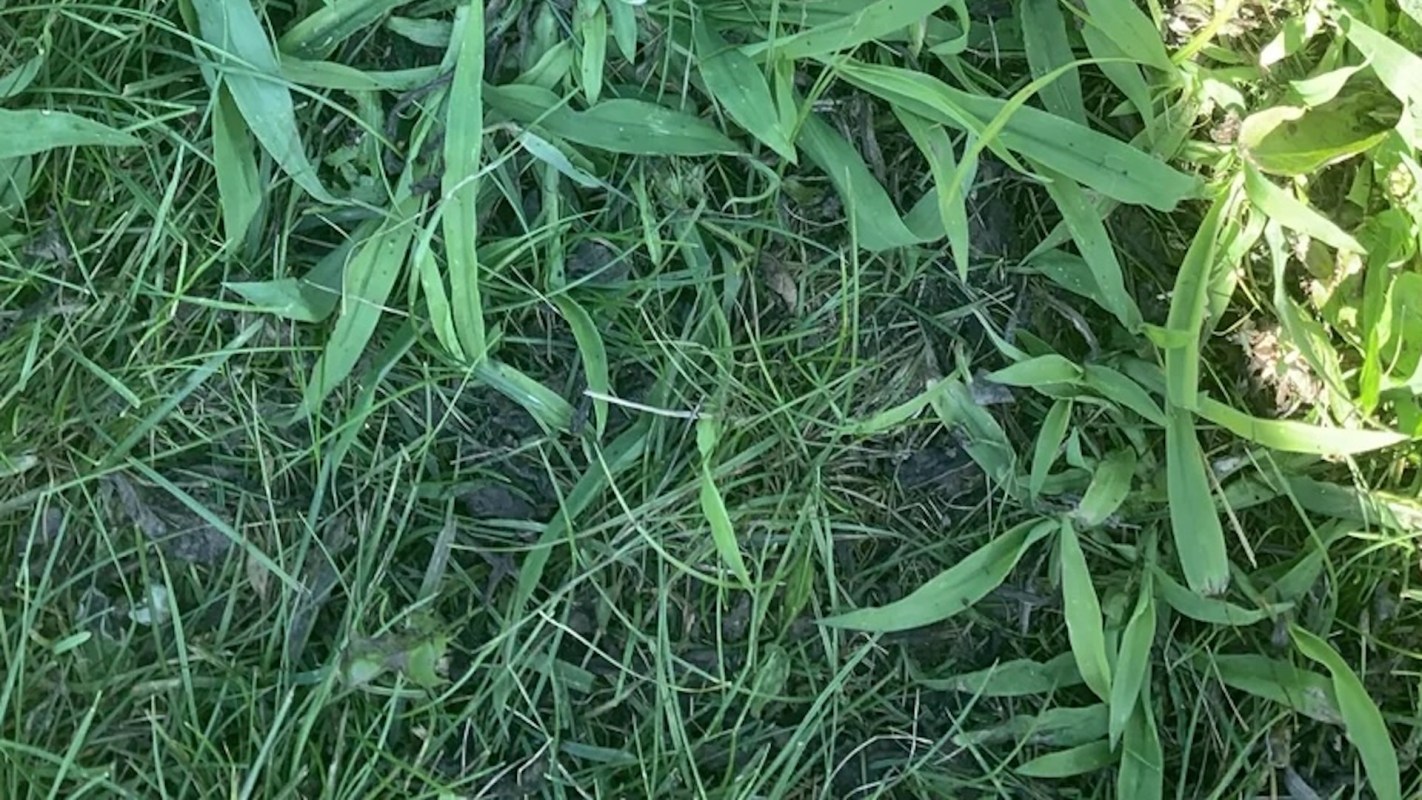
A green lawn doesn't necessarily mean a healthy lawn. If you look closer, you might find that your lawn contains invasive grass species that threaten native plants and disrupt local ecosystems.
One homeowner did exactly that and found patches of a different grass species hiding in plain sight. They asked the r/LawnCare subreddit for advice on how to remove the invasive grass.
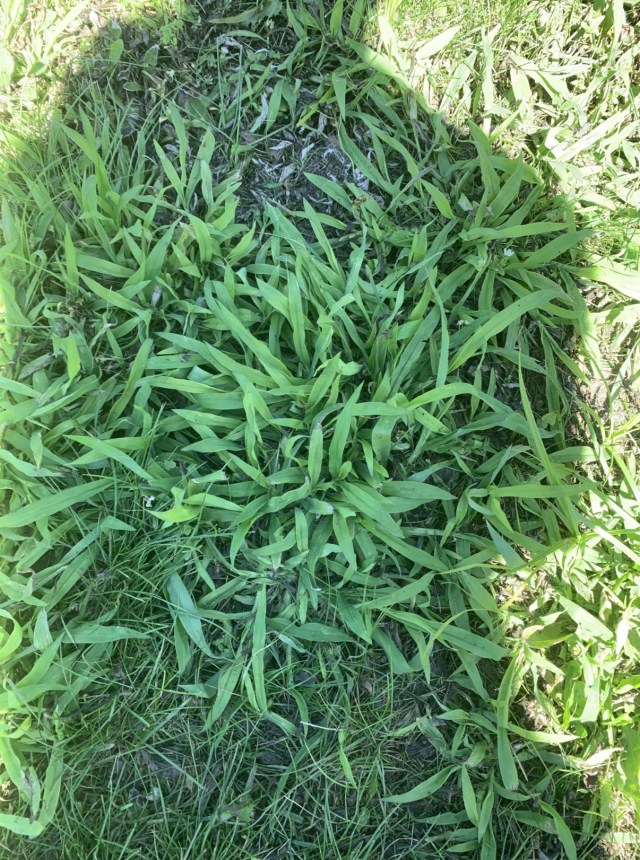
"How can I get rid of these?" the original poster asked. "I have them all over my lawn."
Their added flair tag informs the subreddit that they are located in the northern United States or Canada.
The OP's attached picture shows a patch of grass distinguished by its long, flat, wide blades that taper to a point, with a subtle wave along its length. Surrounding that patch of grass is more traditional turf, characterized by shorter and finer blades of grass.
One lawn care expert identified the patch of invasive grass as panic veld, as opposed to crabgrass, which many other commenters believed it was.
TCD Picks » Quince Spotlight
💡These best-sellers from Quince deliver affordable, sustainable luxury for all




"It's panic veld. Often mistaken for crab grass. It's been popping up in the northeast more recently as it's been put in the contractors blend of Scotts."
"I have this grass! It's disgusting," one commenter said.
Panic veld, also known as panic veldtgrass, is a grass species native to Southern Africa. Still, it has been documented in California and Hawai'i in the United States, as well as Australia, New Zealand, Italy, and China, according to a panic veldtgrass data sheet.
This grass species grows subtly but rapidly, and can overtake native plants, outcompeting them for space and essential resources. These kinds of invasive grass species can be a headache for homeowners like the OP to remove.
|
What's the hardest thing about taking care of your yard? Click your choice to see results and speak your mind. |
 Mowing the lawn 🏡
 Planting native plants can help support a native lawn, which provides healthier environments for local wildlife and pollinators, who help protect the human food supply. Native lawns, compared to lawns littered with invasive grass species, like the OP's, are much slower-growing and less water-dependent.
Due to a deep root system, which also helps to stabilize the soil, native plants can access water and nutrients from the soil's deeper layers. This means that you can spend less money watering your lawns and letting the native plants do their job.
Lacking natural predators in their new environment, invasive grass species tend to grow much faster than native species, leading to more frequent, laborious yard work. Planting a natural lawn could help you save time and money on lawn maintenance, allowing for more free time in between mowings.
Buffalo grass and clover are great lawn replacement alternatives for homeowners looking to reduce lawn maintenance without sacrificing aesthetics. They also help crowd out weeds, so no surprise visitors like the one OP found.
Many commenters also seemed to have the same panic veld grass in their lawns.
"Should we start attacking this now?" one commenter asked.
"This is a grassy weed that can't be killed with a selective herbicide. Your choices are digging it out or spraying with glyphosate. You'll need to seed the spots most likely afterwards," another commenter suggested.

Join our free newsletter for easy tips to save more and waste less, and don't miss this cool list of easy ways to help yourself while helping the planet.






