


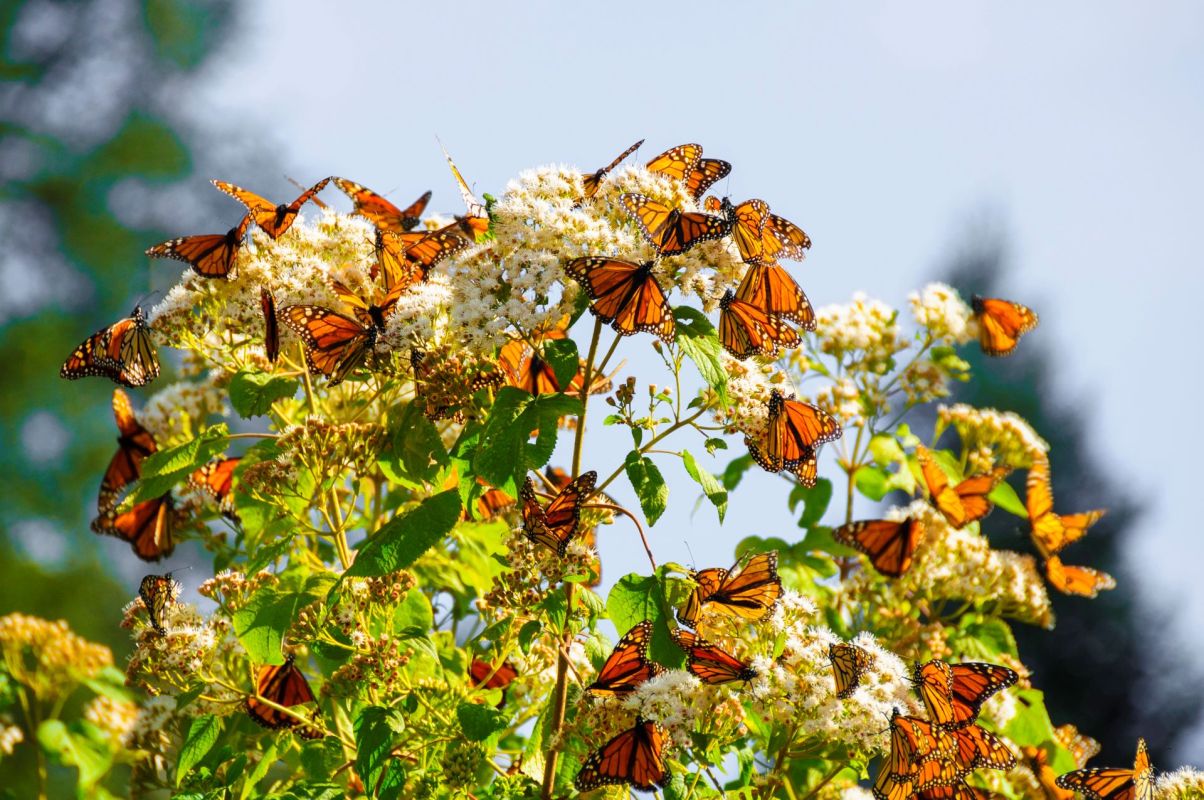
Black swallow-wort, an invasive vine, is spreading through gardens across Greater Boston, CBS News reported. Flavio Sutti, senior conservation ecologist at Mass Audubon, said it's pushing out native plants and harming wildlife, with monarch butterflies among the most at risk.
"It's one of the most challenging aspects of my work because it's very hard to control," Sutti told the outlet. He said the vine takes over habitat and squeezes out other species, which leaves rare wildlife fewer places to survive.
What's happening?
A study published in Oecologia shared that monarch butterflies can't tell black swallow-wort from milkweed, even though the latter feeds their young. They sometimes land on the vine, drop their eggs, and keep flying, but the caterpillars never make it. That mistake chips away at their numbers year after year.
Gardeners talk about other plants that cause the same headaches. Invasive bamboo works its way under fences, and weeds muscle out native flowers.
The U.S. Geological Survey found that warmer winters and longer growing seasons give these invaders an advantage. Once they've dug in, pulling them can feel like a losing fight.
Why is this important?
When pollinators such as monarchs disappear, the impact reaches beyond gardens. According to the Department of Agriculture, over 100 U.S. crops rely on pollination, and smaller harvests lead to less produce on store shelves.
TCD Picks » Quince Spotlight
💡These best-sellers from Quince deliver affordable, sustainable luxury for all




Invasive plants make the situation worse by draining soil and blocking food sources for native wildlife. The United Nations noted that protecting native species and biodiversity helps keep natural resources healthy. Any imbalance amplifies the risks of pests and diseases spreading.
What's being done?
Sutti tells residents to pull black swallow-wort pods before they mature, then cut the vines and dig out the roots. They should put the plants in the trash so they can't grow back.
People can help stop new outbreaks by rewilding yards with native plants and taking local action alongside community groups.
In some areas, volunteers have worked together to clear out invasive plants. Another group tackled honeysuckle in a state forest, using sheep to eat it before it could spread.
Acting fast helps protect habitats and reduces hits to the food and water people rely on.
|
What's the hardest thing about taking care of your yard? Click your choice to see results and speak your mind. |
 Mowing the lawn 🏡
Join our free newsletter for good news and useful tips, and don't miss this cool list of easy ways to help yourself while helping the planet.







