


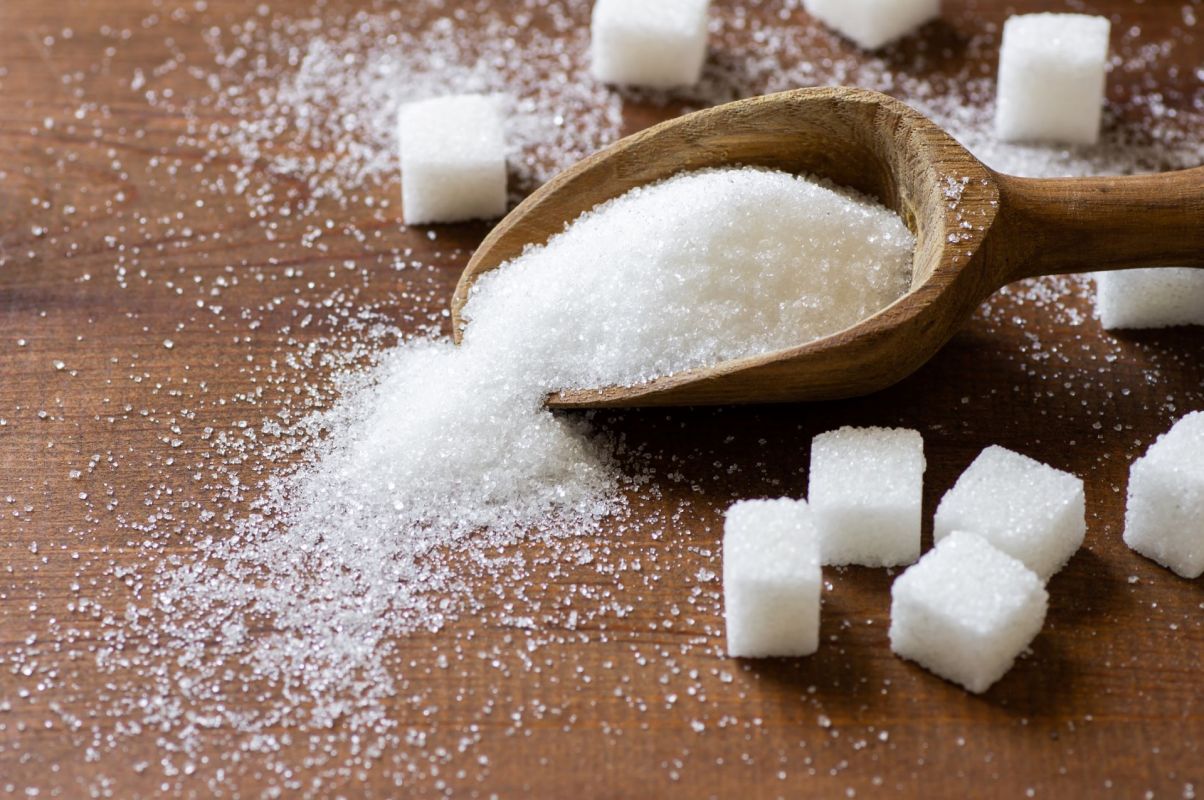
Imagine being able to turn captured carbon into sugar. Sounds like something out of Willy Wonka's factory, doesn't it? But it's not just fiction anymore. Researchers in China turned methanol — a compound scientists can make from carbon dioxide — into sugar, according to Interesting Engineering.
Instead of growing sugarcane or sugar beets, which require massive amounts of land and water, the scientists used a new enzyme-based system called in vitro biotransformation (ivBT). This setup converts methanol into complex sugars like sucrose without relying on traditional farming.
Even more impressive, they can tweak the process to produce fructose, starch, and other essential carbohydrates that make up much of the human diet.
So, why does this matter? Sugarcane farming takes up about 65 million acres around the world — land that often comes at the cost of forests and huge amounts of freshwater. And that's not even counting the pollution it creates along the way. Making sugar from methanol sidesteps those problems and could leave us with cleaner air, cleaner water, and a steadier food source.
The discovery didn't happen overnight. Scientists have been exploring ways to reroute carbon for decades, but this is the first time anyone has managed to assemble an enzyme toolkit capable of building sugars directly from a one-carbon compound.
"This work thus lays a foundational framework for the future development," the researchers wrote. "Artificial conversion of carbon dioxide into food and chemicals offers a promising strategy to address both environmental and population-related challenges while contributing to carbon neutrality."
TCD Picks » Quince Spotlight
💡These best-sellers from Quince deliver affordable, sustainable luxury for all




The potential ripple effects are huge. If scaled up, this technology could help stabilize food supplies for a growing global population, while also reducing the need for chemical fertilizers, deforestation, and energy-intensive farming. In other words, it's a cleaner, smarter way to get one of the world's most in-demand ingredients.
Of course, the system still needs refining. Researchers are working on improving enzyme efficiency and making the process stable enough for large-scale production. But the path forward looks bright.
One day, the sugar in your coffee or the starch in your noodles might not come from fields at all — but from a system that turns pollution into food.
|
Do you worry about the quality of the air inside your home?
Click your choice to see results and speak your mind. |
 Yes — often 😬
Join our free newsletter for easy tips to save more and waste less, and don't miss this cool list of easy ways to help yourself while helping the planet.







