


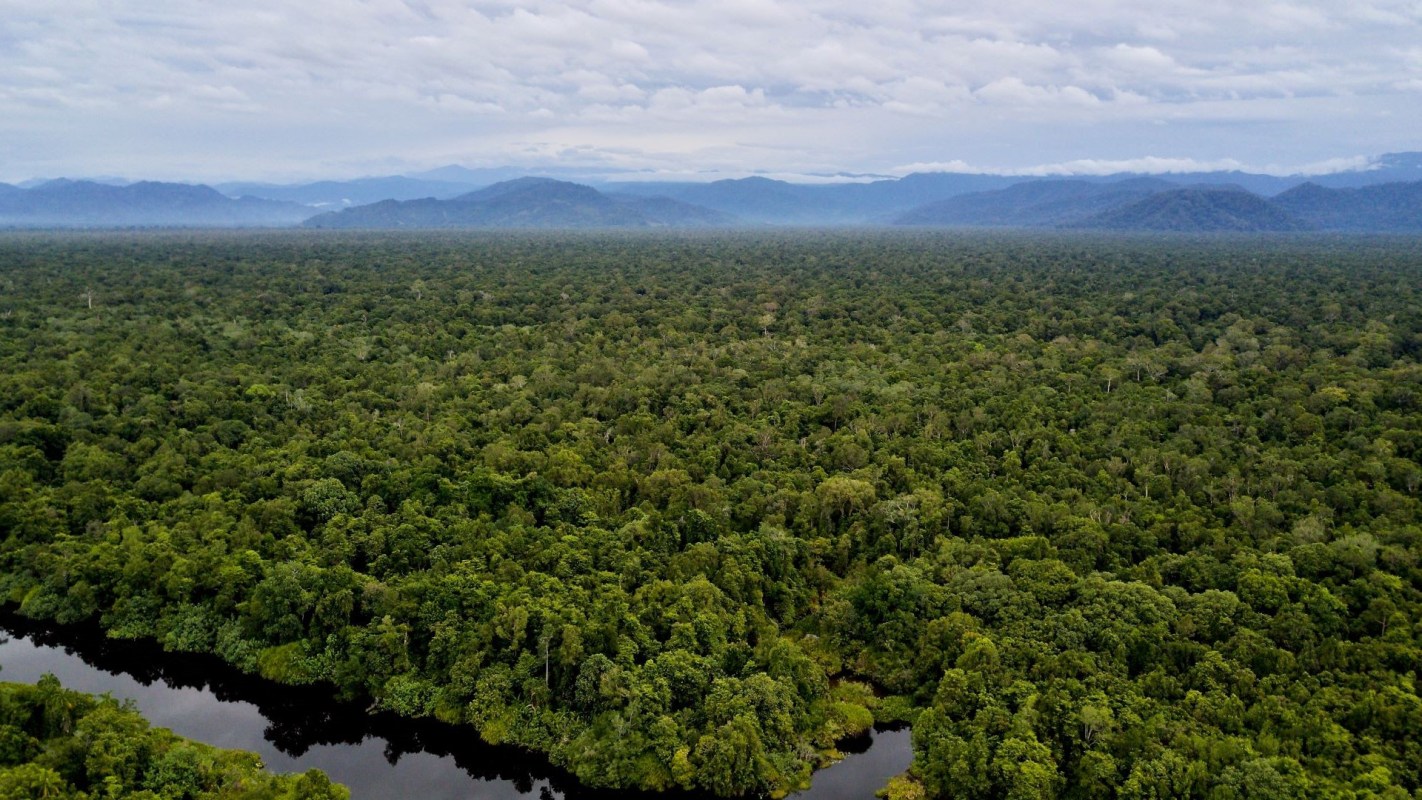
Water is essential to life, and when animals can't get it themselves, humans step in and step up.
In Guatemala, conservation groups are doing what they can to help animals deal with the intense summer heat.
According to Vox, they've added tubs of water to nature reserves that can be continuously refilled, unlike natural water sources that have dried up with the sun's rays.
This way, what could have been a struggle to survive has instead become a place for animals to relax, cool off, and hydrate.
Interestingly, the range of species that visited the artificial watering holes was much wider than originally expected. Predators and prey alike came to utilize the newly provided resources, with cameras installed to catch their different habits.
Gabriela Ponce, head of the Wildlife Conservation Society in Guatemala, told Vox, "The diversity of species using the water sources was amazing."
TCD Picks » Quince Spotlight
💡These best-sellers from Quince deliver affordable, sustainable luxury for all




While typically expected species like spider monkeys visited, so too did rarely seen ones, "like jaguars and tapirs."
The cameras enable humans to observe various animal species and behaviors without direct interference, and that can inform conservation efforts.
By watching how animals behave in their natural habitats and how they respond to human interventions, conservationists can react accordingly and increase or decrease assistance. That knowledge of species' habits and traits can then be applied when supporting other habitats suffering from negative environmental impacts.
The footage shown on trail cameras allows researchers to identify habitat requirements and assess what can be done to supplement healthy growth for flora and fauna alike. In addition, closely monitoring wildlife ensures that conservation efforts, like the man-made watering holes in Guatemala, are effective and stay that way.
|
Do you think America does a good job of protecting its natural beauty? Click your choice to see results and speak your mind. |
 Definitely 👍
 Eric Aldrich, a member of Borderlore, which runs the Culture and Climate in Community program in Southern Arizona, further corroborates this. He noted that cameras allow for "non-invasive surveillance" and increase the connection between humans and animals.
"[Cameras] also link me to a wider community of people with a deep curiosity for wildlife," Aldrich said. "Sharing our footage on social media and through conservation projects expands our ranges, so to speak, letting us see more of the wild, learn technical tricks and techniques, and connect to wider audiences."

Join our free newsletter for good news and useful tips, and don't miss this cool list of easy ways to help yourself while helping the planet.







