


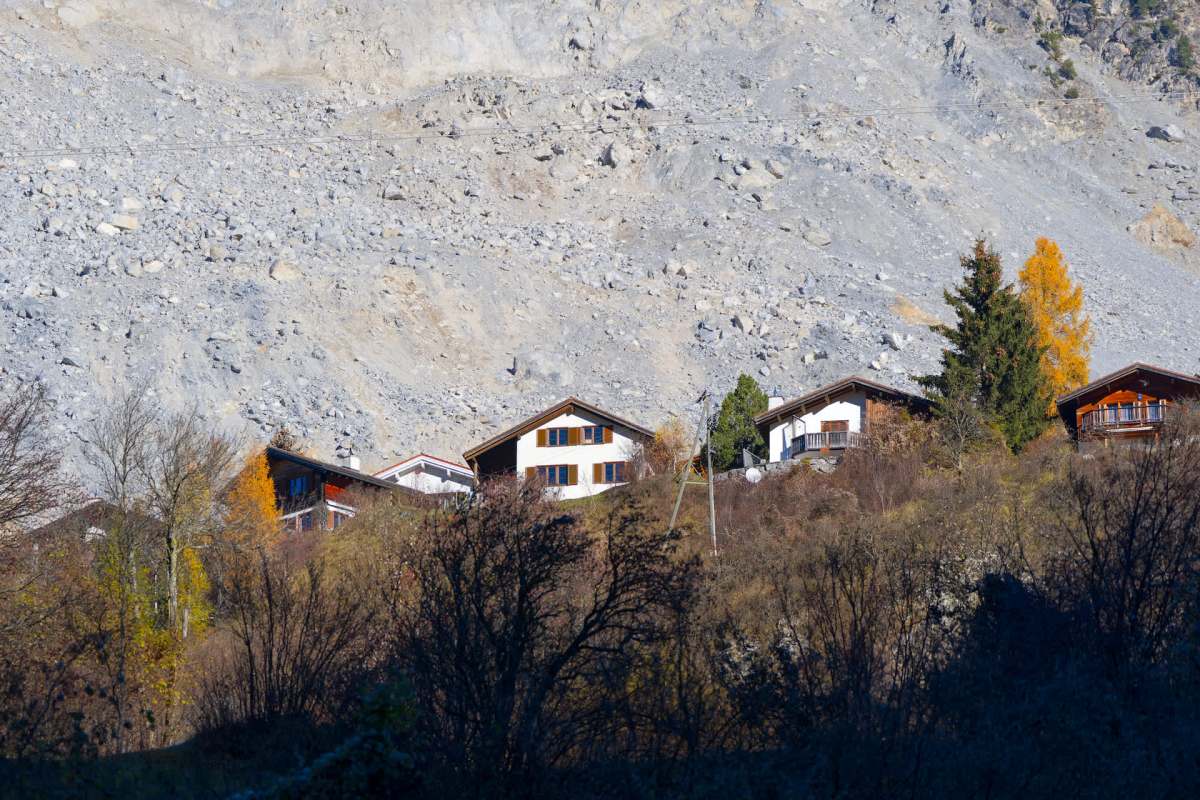
Many idyllic villages in the Alps that have existed for centuries could vanish entirely as a new threat looms.
What's happening?
The BBC reported that the devastating landslide that wiped the 800-year-old village of Blatten off the map in May is unlikely to be the last. The village of Brienz has also been evacuated due to the risks of a landslide, per Swiss Info.
Rising global temperatures are causing Switzerland's roughly 1,400 glaciers and permafrost to melt at an unprecedented rate. The landslide that destroyed Blatten was caused by the loss of ancient ice at the Birch glacier.
The incident is leading to difficult questions about the future of these old mountainside settlements because of the exorbitant cost of clearing and repairing the damage.
Why is glacier melt such a concern?
The planet-heating emissions of dirty energy are causing the world's glaciers to melt at an unsustainable rate and making devastating landslides more common but unpredictable. According to the Associated Press, up to two-thirds of all glaciers could be lost by the end of the century.
A similar problem exists in the so-called "third pole" in the Himalayas. The loss of permafrost is leading to the overflow of glacial lakes, which are unleashing devastating floods. About 2 million people live in areas at risk of a glacial lake outburst flood. In both the Alps and the Himalayas, it's a case of upgrading infrastructure to help mitigate the risks.
TCD Picks » Quince Spotlight
💡These best-sellers from Quince deliver affordable, sustainable luxury for all




Boris Previšić of the University of Lucerne explained the importance of being more prepared to the BBC, but that might not be enough.
"We have always also to consider evacuation," he said. "You can't hold back the whole mountain."
What's being done about glacier loss?
One short-term measure being used is geotextiles. A study found they reduced melt by 350,000 cubic meters, but they're just too expensive and impractical to use at scale.
The study's authors determined "a hypothetical application to the larger scale shows that saving Alpine glaciers by technological solutions is neither achievable nor affordable."
|
Do you think your city has good air quality? Click your choice to see results and speak your mind. |
 Definitely 🥰
 Ultimately, the problem extends far beyond the Alps. It's a multifaceted issue that requires long-term thinking, like raising public awareness and accelerating the adoption of clean energy.
While Switzerland has made some progress in reducing its pollution footprint, there's still much the wealthy, landlocked nation can and should do.

Join our free newsletter for good news and useful tips, and don't miss this cool list of easy ways to help yourself while helping the planet.







