


Did you know that plants have a bit of a sweet tooth? Sugar — more specifically, sucrose — is one of the most important compounds for transporting and signaling to other molecules as a plant grows.
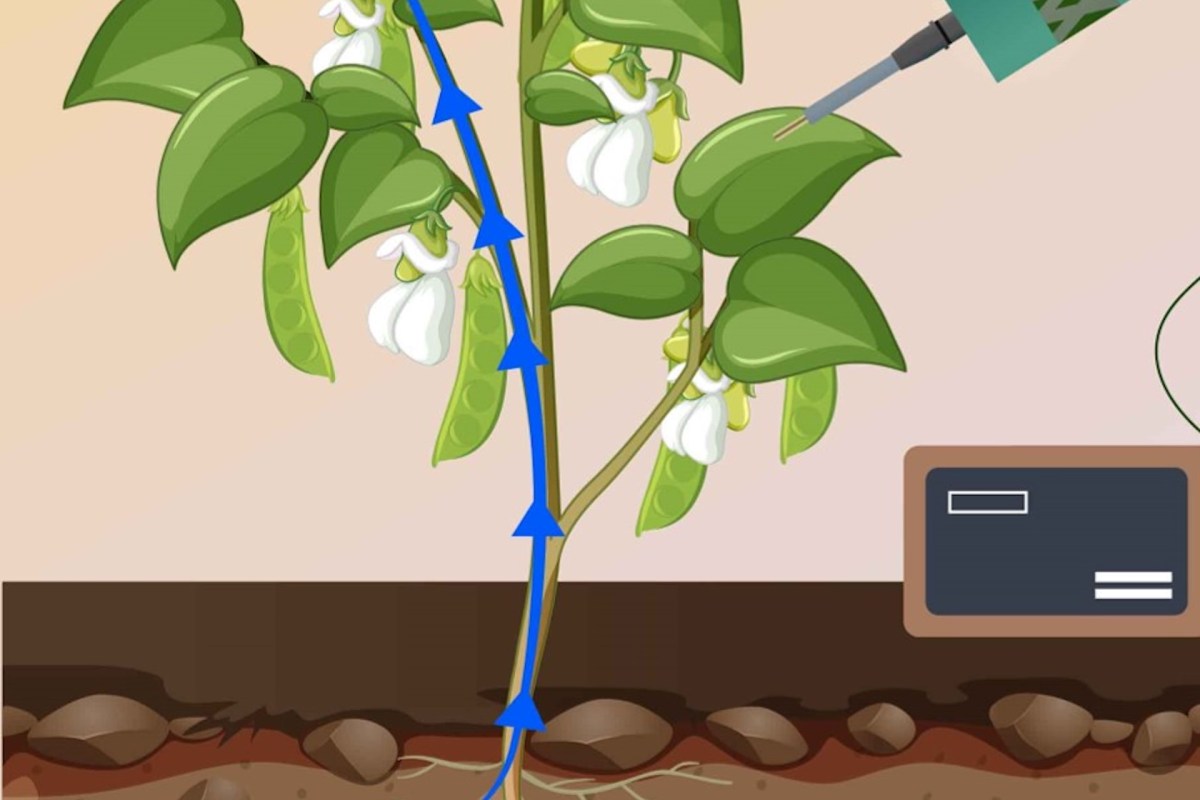
Now, scientists can better understand how different species use it, thanks to a research team at Waseda University that built a tiny device capable of sensing sucrose levels in real time.
The sensor improves on previous methods of tracking sugars inside plants. It is made of a strategic group of enzymes and is small enough to be safely inserted with a needle into a living plant, where it can collect live data.
In the past, samples had to be cut open and often destroyed just to get a brief snapshot of sucrose measurements, according to the news release.
The team implanted the device into the stems of strawberry guava plants and Japanese cedars. The sensor reported detailed data with only a 90-second delay for 72 hours straight.
In the strawberry guava, researchers observed the daily rhythm of sucrose as it moved around the plant during different light conditions, which matched up with the common photosynthesis cycle of plants.
TCD Picks » Quince Spotlight
💡These best-sellers from Quince deliver affordable, sustainable luxury for all




However, what the team found in the Japanese cedars was an entirely new discovery about plant stomata. Those are the microscopic pores on plants that open when there's light.
Researchers soaked the plants in a sucrose bath in both light and dark conditions, and they saw that the cedars' sucrose levels only increased in light. For the first time, this suggested that a plant could swallow up sucrose through its leaves and then bring it to its stem.
"[This function] is a largely unexplored pathway," project lead and professor Takeo Miyake said. "... It challenges long-standing assumptions about how plants acquire water and nutrients."
The findings were published in Biosensors and Bioelectronics.
|
Do you think kids learn enough about gardening in school? Click your choice to see results and speak your mind. |
 Not even close 🧑🌾
 Miyake expects future studies to use the sensor to examine sugar movement in roots, seeds, and other plant organs. He also noted that similar sensors that last longer and transmit data wirelessly could be built for long-term field studies.
Everyday people also benefit from this kind of research. It can inform humans' relationships with plants, from how to grow healthy vegetables to how to create a money-saving yard.
"If we can measure what the plant is doing in real time, we can start to think about growing crops more intelligently," Miyake said.

Join our free newsletter for weekly updates on the latest innovations improving our lives and shaping our future, and don't miss this cool list of easy ways to help yourself while helping the planet.






