


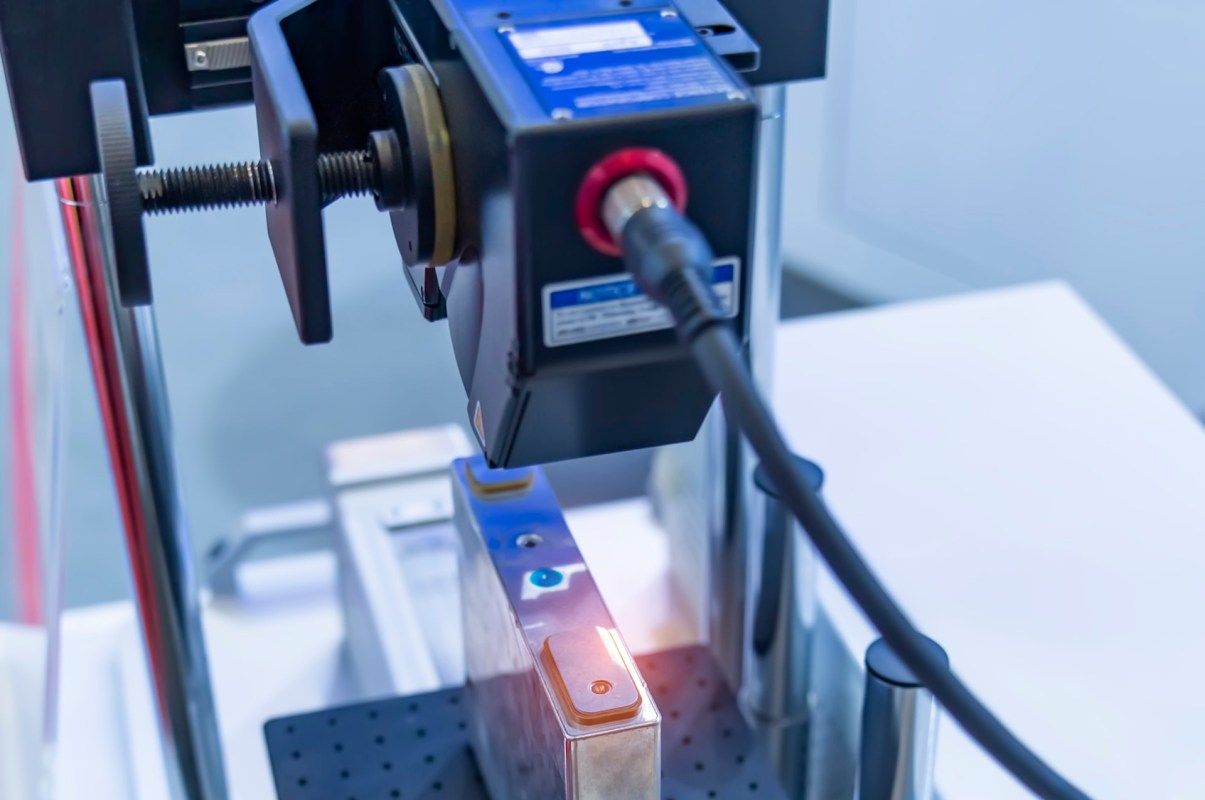
Self-healing electric vehicle batteries being designed in Europe could soon bring unprecedented longevity to the highway by doubling pack lifespans.
That means that a hypothetical family that buys an EV when their child is born could use the same cleaner ride to pick them up from college graduation more than 20 years later — as long as the rest of the vehicle is still functional.
As a result, battery lifespan — once a hurdle to adoption — is becoming a strength. Car and Driver reported that packs already last between eight and 15 years.
According to a press release from Horizon, a European Commission magazine, experts at PHOENIX, a European Union-funded initiative, intend to put to rest any fear about battery health with sensor and self-repair tech.
It's an effort that's in line with the EU's goal of cutting transportation-related air pollution production from new cars in a decade.
"The idea is to increase battery lifetime and reduce its carbon footprint because the same battery can repair itself so that fewer resources are needed overall," Johannes Ziegler, a materials scientist at Germany's Fraunhofer Institute for Silicate Research ISC, said in Horizon.
TCD Picks » Quince Spotlight
💡These best-sellers from Quince deliver affordable, sustainable luxury for all




The PHOENIX smart batteries are being developed by experts from multiple countries. They work by using advanced sensors to gather much more information than current battery monitoring systems.
In addition to heat and voltage, the tech will gauge physical swelling, generate internal heat maps, and identify specific gases, according to the release.
Gas presence can be a sign of pending failure and dreaded thermal runaway. That's the catastrophic precursor to rare, yet serious fires. In reality, it's widely reported that gas cars are more likely to catch fire than EVs.
Added layers of safety can all but eliminate the risk.
|
What is your biggest concern with EV batteries?
Click your choice to see results and speak your mind. |
 They're not efficient enough ⚡
 "When the battery's brain decides repair is needed, healing is activated," the PHOENIX experts said in the release. "This could mean squeezing the battery back into shape, for example, or applying targeted heat to trigger self-repair mechanisms inside."
The researchers are exploring several methods, including applying targeted heat to reform chemical bonds.
Magnetic fields that break up troublesome dendrites, which are branch-like metallic formations that grow during operation and can cause failure, are another self-repairing feature.
Researchers elsewhere are working on stretchable, self-healing batteries with fascinating potential, too. California's Liminal also has inspection tech that identifies pack flaws as the cells are being made, reducing failure risk.
Longer-lasting, safer batteries prevent valuable cell components from becoming hazardous waste, as reported by NPR. Better technology and increased recycling efforts are part of the reason industry experts expect pack costs to soon drop by half.
Each EV that replaces a gas-burning ride prevents thousands of pounds of heat-trapping air pollution, according to the U.S. Department of Energy. The fumes are linked by NASA to increased risks for extreme weather events, including droughts and heat waves.
President Donald Trump's spending bill is sunsetting EV tax credits years early. But you can lock in $7,500 in incentives if you make the switch before Sept. 30. EV owners also enjoy about $1,500 in annual gas and maintenance savings.
In the EU, the PHOENIX team conceded that a battery decked out with sensors will be more expensive to make. The researchers are analyzing which monitors provide the best value.
The goal is a smaller, lighter, and longer-lasting power pack.
"It is exciting to prolong the lifetime of batteries and work on EVs," Ziegler said. "It is all about bringing the parts together."

Join our free newsletter for weekly updates on the latest innovations improving our lives and shaping our future, and don't miss this cool list of easy ways to help yourself while helping the planet.






