


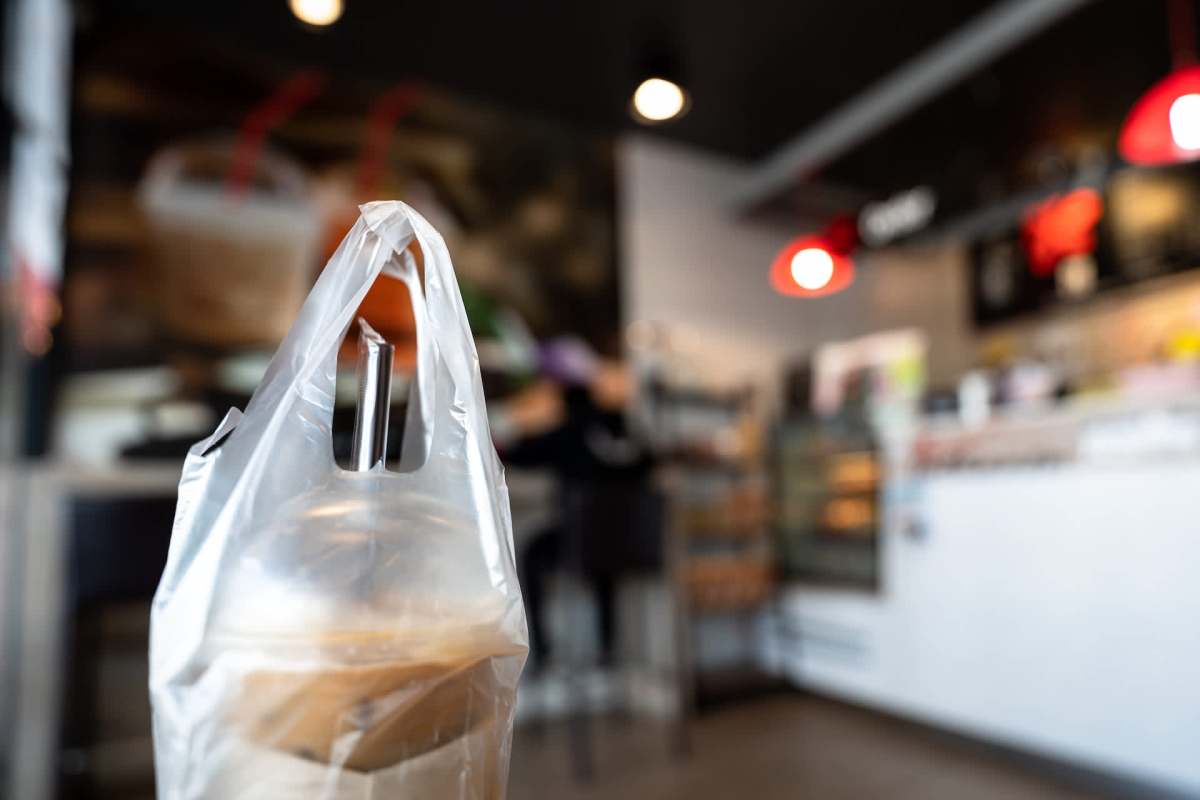
Nigeria's ban on single-use plastics took effect on July 1, but in the city of Lagos, implementation has been a challenge to date, the Associated Press reported.
Officials estimate that Lagos produces a minimum of 13,000 tons of refuse and waste per day, around 20% of which is attributed to single-use plastics like food containers and bags.
The AP's coverage of Nigeria's efforts to ban single-use plastic occurred against the backdrop of the United Nations Environment Assembly's long-running efforts in Geneva to hammer out a legally binding, global treaty to "end plastic pollution."
On August 13, the Guardian reported that the third year of talks had "stalled" on their penultimate day, due to tension and resistance by several oil-producing countries.
Over 99% of plastic is "made from chemicals sourced from fossil fuels, and the fossil fuel and plastic industries are deeply connected," per the Center for International Environmental Law.
Recent data suggest that plastic bag bans and related policies are effective. A study published in June found that beach cleanup volunteers "collected 25 to 47 percent fewer plastic bags" in areas with bans or restrictions on single-use plastic.
TCD Picks » Quince Spotlight
💡These best-sellers from Quince deliver affordable, sustainable luxury for all




Compliance and enforcement — particularly when such measures are newly introduced, as is the case in Lagos — are typical stumbling blocks when bans go into effect, and the Nigerian city is no exception, local environmental advocate Olumide Idowu said.
"Its effectiveness is limited without strong enforcement, affordable alternatives for low-income vendors and meaningful improvements in the city's overwhelmed waste management systems," Idowu observed.
Institutional support is a crucial aspect of initiatives to curtail single-use plastics. The study published in June indicated that fees or taxes appeared to be more effective at encouraging consumers to use less plastic.
One such ban in Vermont had staggering effects. Not only did the use of plastic bags drop 91% after a plastic bag ban went into effect, but nearly three-quarters of those polled viewed the legislation as a positive change.
|
Do you think the government should ban gas-powered lawn tools? Click your choice to see results and speak your mind. |
 No way 🙅
 Lagos' shopkeepers indicated that a lack of reasonably-priced single-use plastic alternatives made it difficult to comply with the ban on single-use plastic, and some still stocked Styrofoam to-go containers.
Olarewanju Ogunbona is one of those shopkeepers, and his view on complying with the ban was matter-of-fact.
Without readily available alternatives to plastic bags and containers, "We will keep using them," Ogunbona said, per the AP.

Join our free newsletter for good news and useful tips, and don't miss this cool list of easy ways to help yourself while helping the planet.







