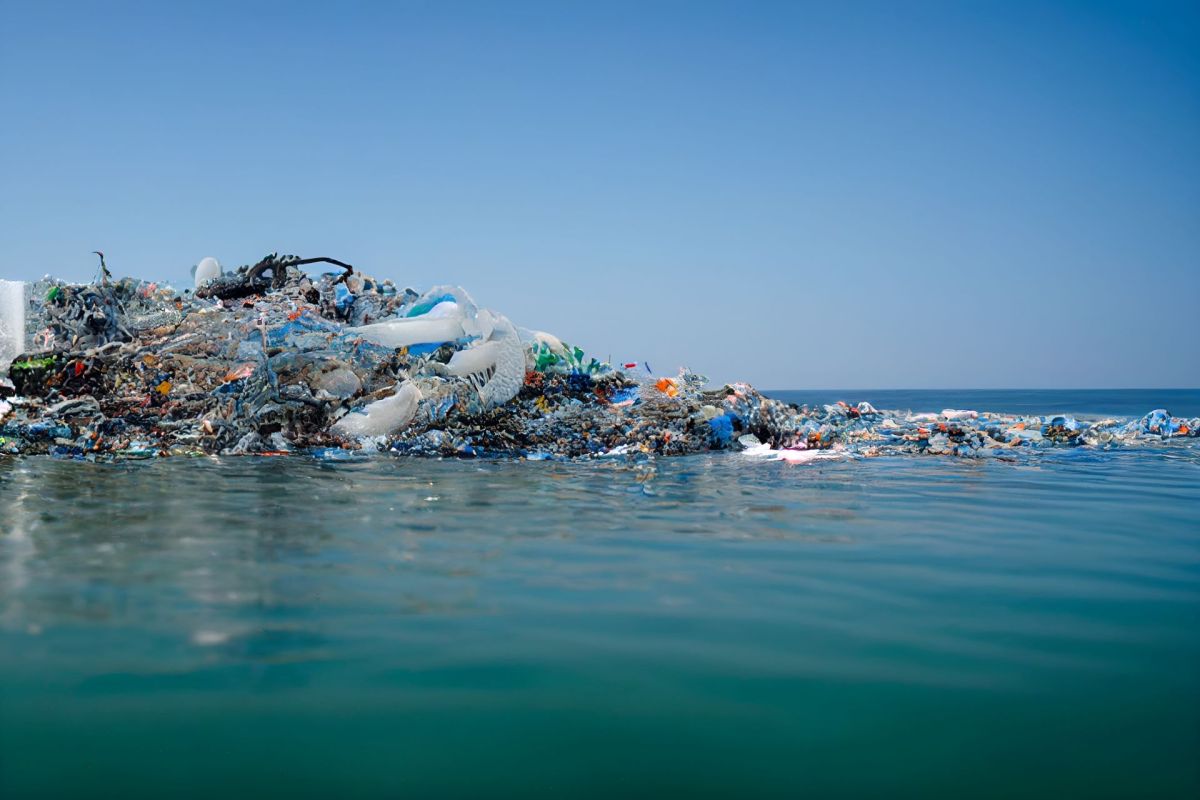
You've probably seen the photos: a sea turtle trapped in fishing line, a plastic bottle wedged in coral, and shorelines littered with packaging. That's not some distant problem. The same waste tossed in bins or dropped on sidewalks is swirling in the North Pacific Garbage Patch, and ocean cleanups are challenging.
A study published in Nature looked at efforts to clean up the mess — and whether those efforts cause more harm than good. It focused on the North Pacific Garbage Patch, sometimes referred to as the Great Pacific Garbage Patch. Using the operations of The Ocean Cleanup for their study, researchers examined how removing plastic and other trash there affects marine life and carbon pollution.
Overall, the researchers found that the plastic causes more harm than the cleanup systems.
"Our findings indicate that marine life is more vulnerable to plastic pollution than to macroplastic cleanup," the scientists wrote.
Plastic clogs habitats, injures wildlife, and also breaks up into tiny bits called microplastics. According to a different study, about two-thirds of marine mammals carry plastic particles in their bodies. Cutting off new waste helps, but it doesn't undo what's already out there.
Keeping ocean habitats clean has human benefits in terms of food supplies from fisheries — and it has clear benefits to sealife, as well.
TCD Picks » Quince Spotlight
💡These best-sellers from Quince deliver affordable, sustainable luxury for all




Sea turtles, marine mammals, and seabirds are among the organisms that are threatened by plastic debris.
The researchers concluded that the removal of large plastic in the NPGP "benefits marine life in the area," even when accounting for the cleanup's own carbon pollution and bycatch of ocean organisms.
Cleanup isn't perfect. The researchers estimated that diesel-powered cleanup vessels could release up to 2.9 million metric tons (3.2 million tons) of carbon over 10 years. But that was still determined to be far less than microplastics' long-term impacts on the uptake of carbon by the ocean — that impact ranged from 15 to 30 million metric tons annually, according to the study.
To matter, cleanups need to be big. An 80% cut in macroplastics could lower risks for turtles and marine mammals, according to the researchers. But even then, seabirds would remain exposed "above established ecological risk thresholds."
|
How concerned are you about the plastic waste in our oceans? Click your choice to see results and speak your mind. |
 Extremely 😫
 The scientists took into account that some marine species — such as octopuses and rafting organisms — could use plastic as shelter. But they also considered that these hitchhikers can be nonnative and may upset the balance in already fragile ecosystems.
The Ocean Cleanup's setup used two vessels towing a roughly 2.2-kilometer barrier to collect floating waste. It doesn't grab microplastics directly, but removing larger pieces helps stop them from being created. New tech — such as safety hatches, artificial intelligence, and underwater cameras — could help protect sea life, the study noted. And it mentioned that bycatch was often coastal fish that don't typically live in the garbage patch.
In the end, the research indicated that ocean cleanup appeared positive on the whole. Yet it can't carry the whole weight. River barriers and better waste systems are already stopping millions of pounds of trash before it hits the ocean.

Join our free newsletter for good news and useful tips, and don't miss this cool list of easy ways to help yourself while helping the planet.