


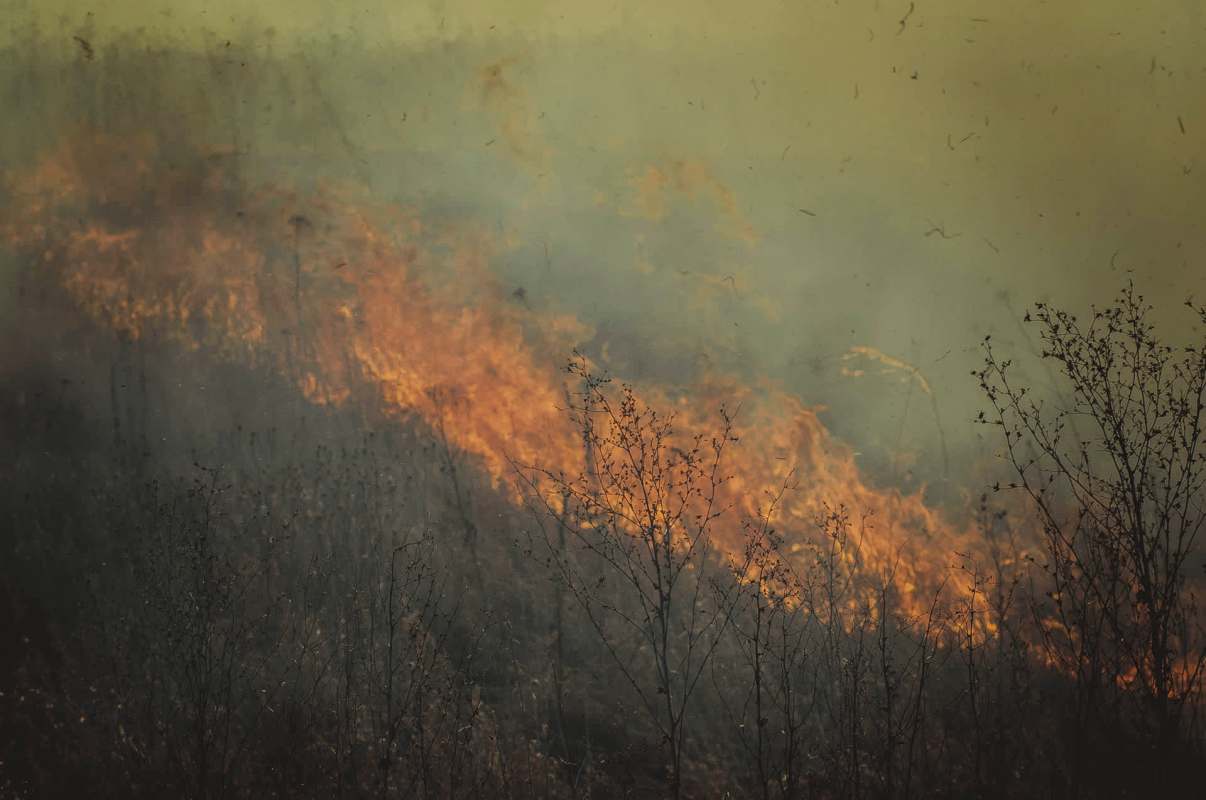
A rapidly intensifying wildfire, the Gifford Fire, is quickly spreading across the California counties of Santa Barbara and San Luis Obispo, The New York Times reports.
What's happening?
A series of small fires broke out on Friday, Aug. 1, near Highway 166.
The Times indicated that the "corridor [is] known for fires linked to vehicular traffic," and as of Saturday, the three fires had become one large conflagration.
News about the Gifford Fire evidenced its aggressive and fast movement in that short time span. By Sunday, the wildfire burned 39,676 acres — and on the morning of Monday, Aug. 4, it spanned over 65,000 acres, per San Luis Obispo's Tribune.
In the early morning hours of Aug. 4, the Alameda County Fire Department tweeted about the cause of the massive conflagration, attributing it to a vehicle fire.
An InciWeb update on Monday indicated the causes of the fire remained under investigation.
TCD Picks » Quince Spotlight
💡These best-sellers from Quince deliver affordable, sustainable luxury for all




Why is the Gifford Fire so concerning?
A Weather Channel report contained an unsettling detail about the blaze: it was already "the second-largest wildfire" in California this year.
The largest to date was July's Madre Fire, which burned more than 80,000 acres before it was contained on July 28. Back in January, an out-of-season wildfire tore through Los Angeles, wreaking havoc, destroying structures, and killing 30 people.
According to the California Department of Forestry and Fire Protection (CAL FIRE), as of Aug. 4, 4,759 wildfires have occurred in 2025, and over 228,000 acres have burned. CAL FIRE's broader outlook cited several unfavorable conditions, like temperatures "consistently above average" coupled with lower-than-average rainfall in some areas.
Wildfires are a form of extreme weather, one exacerbated by record-shattering heat and warmer seas. Hurricanes, floods, heatwaves, and wildfires have always occurred — but as the planet continues overheating, they've intensified in tandem with those conditions.
|
Do you worry about the quality of the air inside your home?
Click your choice to see results and speak your mind. |
 Yes — often 😬
 As these effects persist worldwide, they supercharge extreme weather. In turn, violent weather events become more commonplace, cause more damage, and have deadlier outcomes.
In May 2024, Texas Tech Katharine Hayhoe spoke to PBS about the global reach of these volatile, violent weather patterns.
"Climate change is loading the weather dice against us in every part of the world … [and] the risk of compound events is increasing," she explained, the scope highlighting why awareness of key climate issues is critical.
What's being done about it?
As of Monday, Aug. 4, the Gifford Fire was at 3% containment, with low humidity and high winds potentially leading to an increase in fire activity.
Several areas remained under evacuation orders, with evacuation warnings also in effect.
Hotter, drier conditions were anticipated throughout the week and into the weekend, and authorities cautioned residents to monitor evacuation orders "due to erratic fire behavior."

Join our free newsletter for good news and useful tips, and don't miss this cool list of easy ways to help yourself while helping the planet.







