A reforestation project in Asia is reaping the benefits of incorporating local ecological knowledge into its efforts.
Nepal was on the brink of losing its hillside forest cover entirely because of livestock grazing and fuelwood harvesting. In 1993, the government made a critical decision to transfer management of public forest lands to local communities.
The results were remarkable; forest cover doubled between 1992 and 2016, per NASA.
A study by a Japanese non-profit, published in the journal Mountain Research and Development, examined the impact of integrating local ecological knowledge into a reforestation effort in the western Gandaki province.
The initial results were promising. The researchers used satellite imagery to assess the density of vegetation across six sites, employing a process known as the Normalized Difference Vegetation Index.
According to the study, in 2018, the NDVI was 0.0341, classed as sparse. By 2022, the value had increased to 0.0737, indicating highly dense vegetation — a remarkable transformation in such a short period.
TCD Picks » EDF Spotlight
💡EDF's Vital Signs newsletter delivers stories about game-changing solutions close to home and around the world



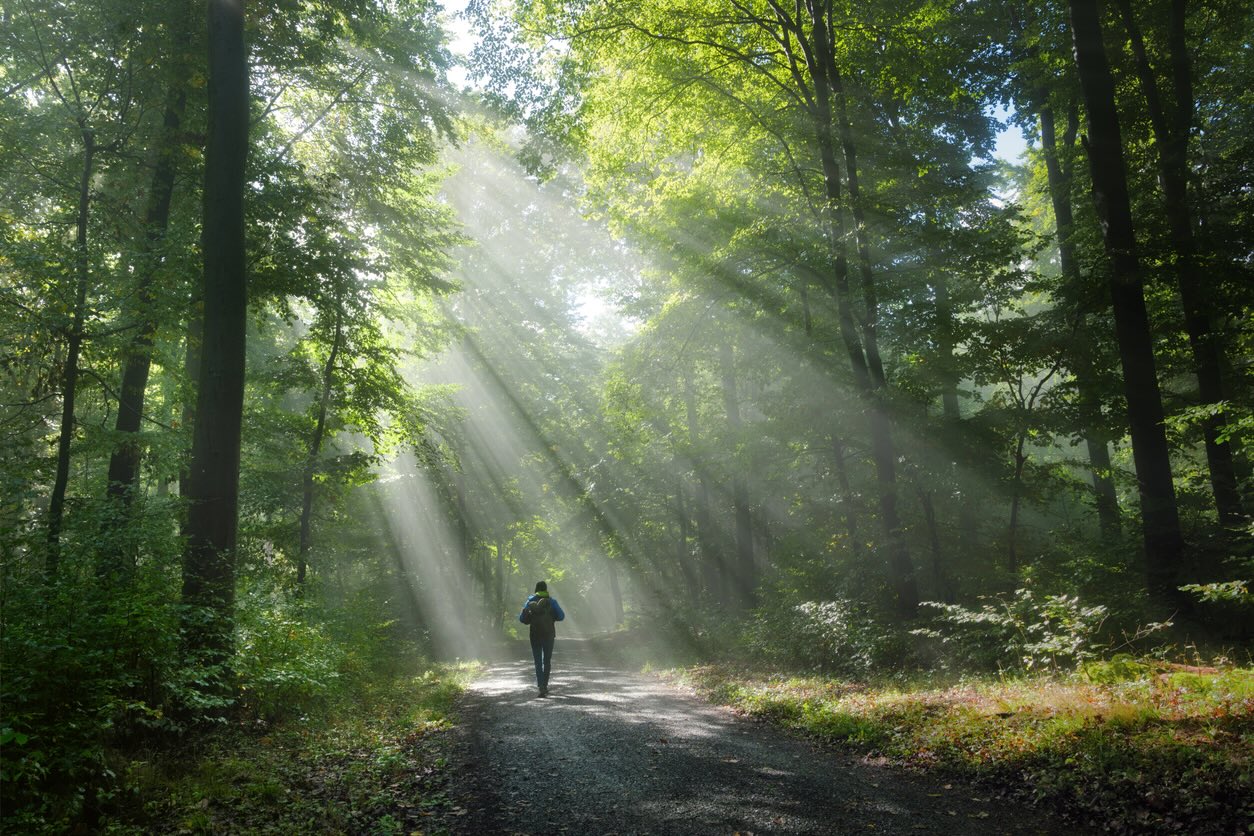
One of the researchers, Teruyuki Takahashi, explained to Mongabay the importance of using local expertise: "Local people in these study sites held the best knowledge of weather, topography, soil characteristics and elevation that were suitable for native species selection and plantation."
The project planted over 131,000 native trees drawn from 44 species. By leveraging local ecological knowledge, the trees flourished, providing a way of life for the communities and making them even more sustainable in the long term.
Ultimately, the study was a useful first step, but the authors acknowledged that further research is needed.
Drawing on local expertise has worked in other reforestation efforts around the world. For example, a similar project in the Amazon is underway with research teams collaborating with Indigenous communities. Also promising is research that reforestation methods aren't nearly as expensive as previously assumed.
TCD Picks » Quince Spotlight
💡These best-sellers from Quince deliver affordable, sustainable luxury for all




Nepal's forest recovery is an example of nature's resilience and the power of climate action taken at the local level. By using local knowledge and working with native fauna, hillside forests have rebounded from the brink of extinction.
|
What is the biggest reason you don't grow food at home? Click your choice to see results and speak your mind. |
 Not enough time ⏳
Join our free newsletter for good news and useful tips, and don't miss this cool list of easy ways to help yourself while helping the planet.