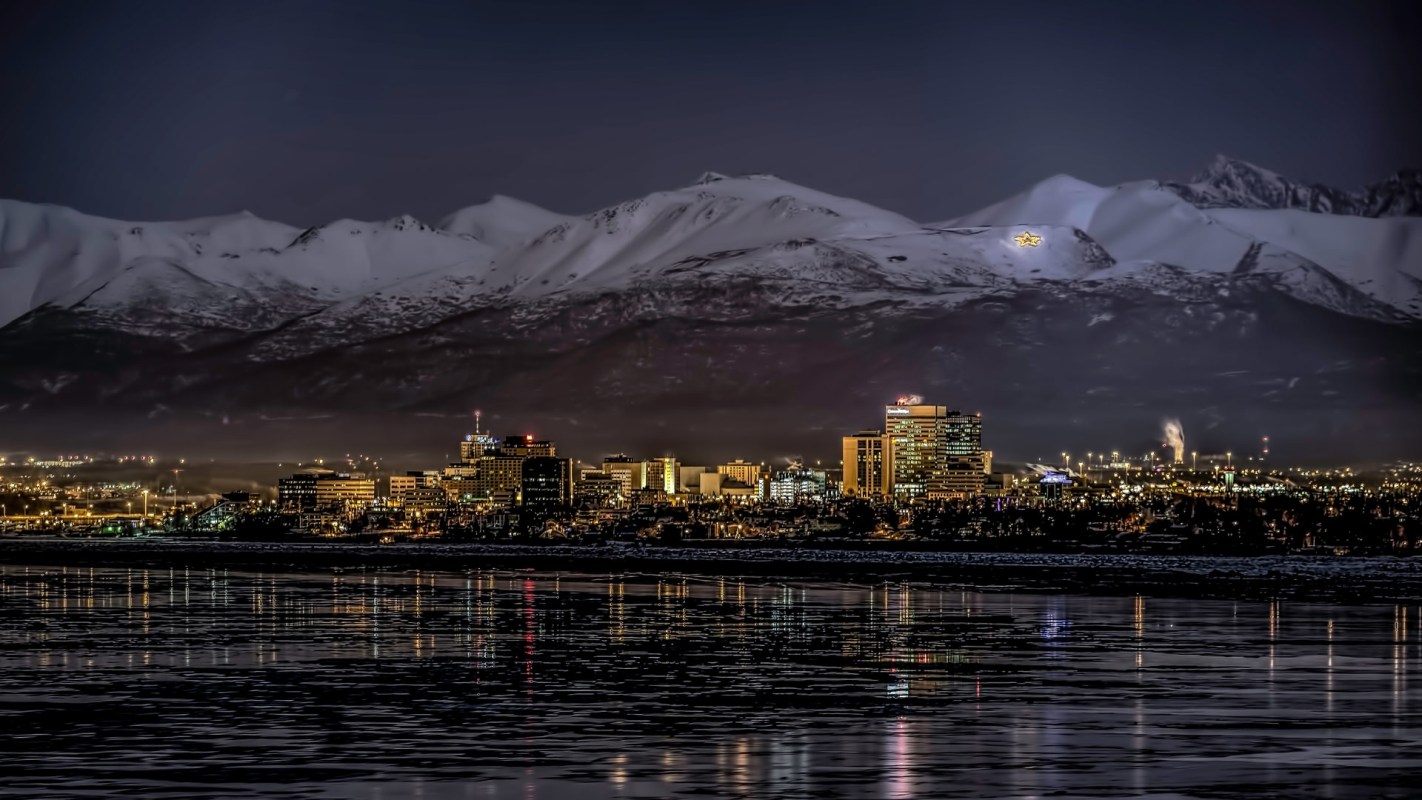
Scientists have expressed concerns about melting ice in Alaska's biggest city as global temperatures continue to rise.
What's happening?
As the changing climate impacts weather conditions around the world, a Climate Cosmos report has detailed the effects of warming temperatures in Alaska.
The National Oceanic and Atmospheric Administration found that temperatures across the state have measured up to 10 degrees Fahrenheit above normal since last December, the report observed.
In Anchorage, specifically, a different type of precipitation replaced snowfall during the winter of 2024-25, with rain accounting for about half of the precipitation in Alaska's most populous city. Meteorologists said snowfall totals have been almost a foot below average.
There's also Alaska's problem of melting sea ice and glaciers. The annual Arctic sea ice minimums have declined by more than 12% per decade since the 1980s.
Despite concerns from scientists, the Trump administration has ended support for NOAA data services that monitor Arctic sea ice changes, per Anchorage Daily News.
TCD Picks » Good Store Spotlight
Get 10% off your next purchase with code TCD10




Why is melting sea ice concerning?
Sea ice is estimated to cover about 15% of the world's oceans during part of the year, according to NOAA. Melting sea ice means there are fewer bright surfaces to reflect sunlight back into the atmosphere. Instead, the surface absorbs the sun's energy, and water temperatures increase as a result.
Melting ice contributes to global sea-level rise, which could potentially put coastal communities at risk of flooding, per the World Wildlife Fund.
Human activities that produce planet-warming pollution, particularly the burning of dirty fuels, cause temperature increases that lead to these events becoming more intense and frequent.
In addition to endangering humans, melting sea ice can also harm wildlife. According to the WWF, the loss of sea ice can cause animals to lose their habitats. Some also spend more time on land, which leads to an increase in possible human-wildlife conflicts.
TCD Picks » Quince Spotlight
💡These best-sellers from Quince deliver affordable, sustainable luxury for all




|
Do you worry about air pollution in your town? Click your choice to see results and speak your mind. |
 All the time 💯
 What's being done about melting sea ice?
Despite the removal of support for NOAA data services, the National Weather Service's Alaska Sea Ice Program still provides sea ice analysis for the time being.
Meanwhile, climate researchers and engineers have been developing new strategies to mitigate the loss of sea ice.
Consumers can change daily habits to help reduce heat-trapping pollution that contributes to sea ice melt. For instance, driving an EV or taking public transit instead of driving a gas-guzzling car can lower a person's carbon footprint significantly.

Join our free newsletter for good news and useful tips, and don't miss this cool list of easy ways to help yourself while helping the planet.