


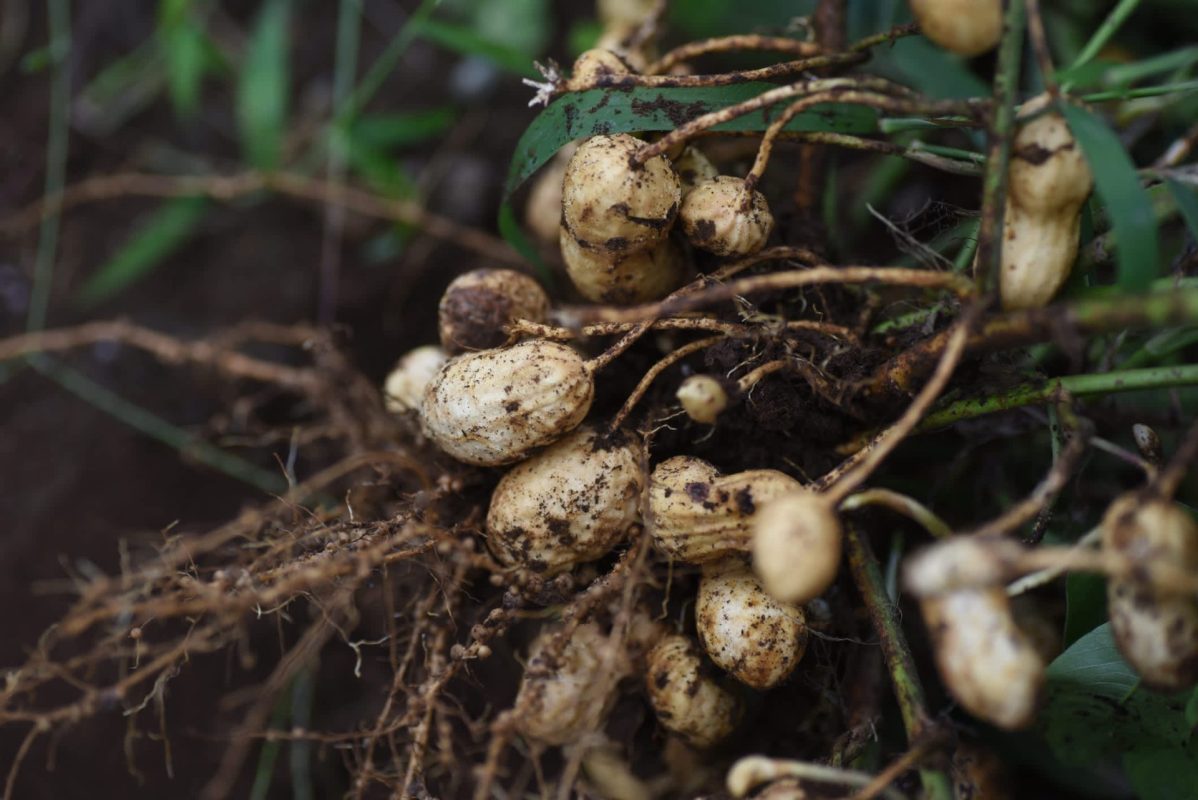
An invader has snuck into Australia, and it's threatening more than just backyard gardens. According to the Australian Broadcasting Corporation, biosecurity officials are racing to eradicate an outbreak of Bulimulus sporadicus, a fast-spreading invasive snail also known as the ghost or peanut snail, before it jeopardizes crops and native species.
What's happening?
The ghost snail, which originated in the Caribbean, is a tiny but devastating pest. Unlike other snails, it reproduces quickly, hides for months in hot weather, and can travel nearly a meter (about three feet) per day — a shocking speed for a snail. In the U.S., where it has already taken hold, the snail has damaged crops, clogged irrigation lines, and caused headaches for farmers.
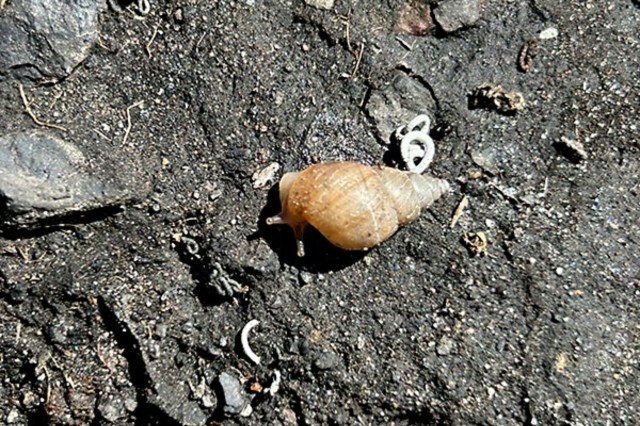
Now that the ghost snail has appeared at the Port of Brisbane, Australia's federal Department of Agriculture says the pest threatens over 500 plant species — including many native to the region — and could spread disease to local snail populations. So far, more than 350 of them have been captured.
Why is the ghost snail concerning?
By competing with native species and overwhelming ecosystems, invasive species disrupt biodiversity, strain food production, and facilitate the spread of disease. They also cost the global economy over $1.2 trillion over 50 years, according to the National Invasive Species Information Center.
"The other risk associated with snails is the fact that they can carry and transmit harmful human and animal bacteria and parasites," said Jim Eldridge, the director of the federal Department of Agriculture, Fisheries, and Forestry's technical response team, per ABC.
If left unchecked, they can wreak havoc on food supplies and harm the livelihoods of farmers. For example, they've caused notable problems for Florida's citrus industry. Considering Australia's citrus industry was recently valued at $1.1 billion, this is worrisome.
TCD Picks » Quince Spotlight
💡These best-sellers from Quince deliver affordable, sustainable luxury for all




"If they do get up into trees, they do feed on the fruit, which damages it and makes it unsaleable," said Citrus Australia CEO Nathan Hancock, according to ABC.
What's being done about the ghost snail?
To start, the country has increased biosecurity funding. Australian teams are setting traps baited with sourdough starter and using salt barriers to stop the spread. Surveillance will continue for months, especially after rain, as the snails can go dormant in dry weather and reactivate later. Officials are also investigating how the snails arrived. Fortunately, the Port of Brisbane's isolated location is helping contain them.
Globally, this case underscores the importance of protecting native species and implementing stricter international controls. Similar challenges have arisen and caused alarm, such as invasive lanternflies and zebra mussels.
You can help by learning more about protecting biodiversity and preserving native ecosystems.
|
What is the biggest reason you don't grow food at home? Click your choice to see results and speak your mind. |
 Not enough time ⏳
Join our free newsletter for easy tips to save more and waste less, and don't miss this cool list of easy ways to help yourself while helping the planet.







