Scientists in Japan had a novel idea: rather than try difficult chemical modifications in a lab, why not use a naturally complex chemical reactor instead?
That chemical reactor was a living organism.
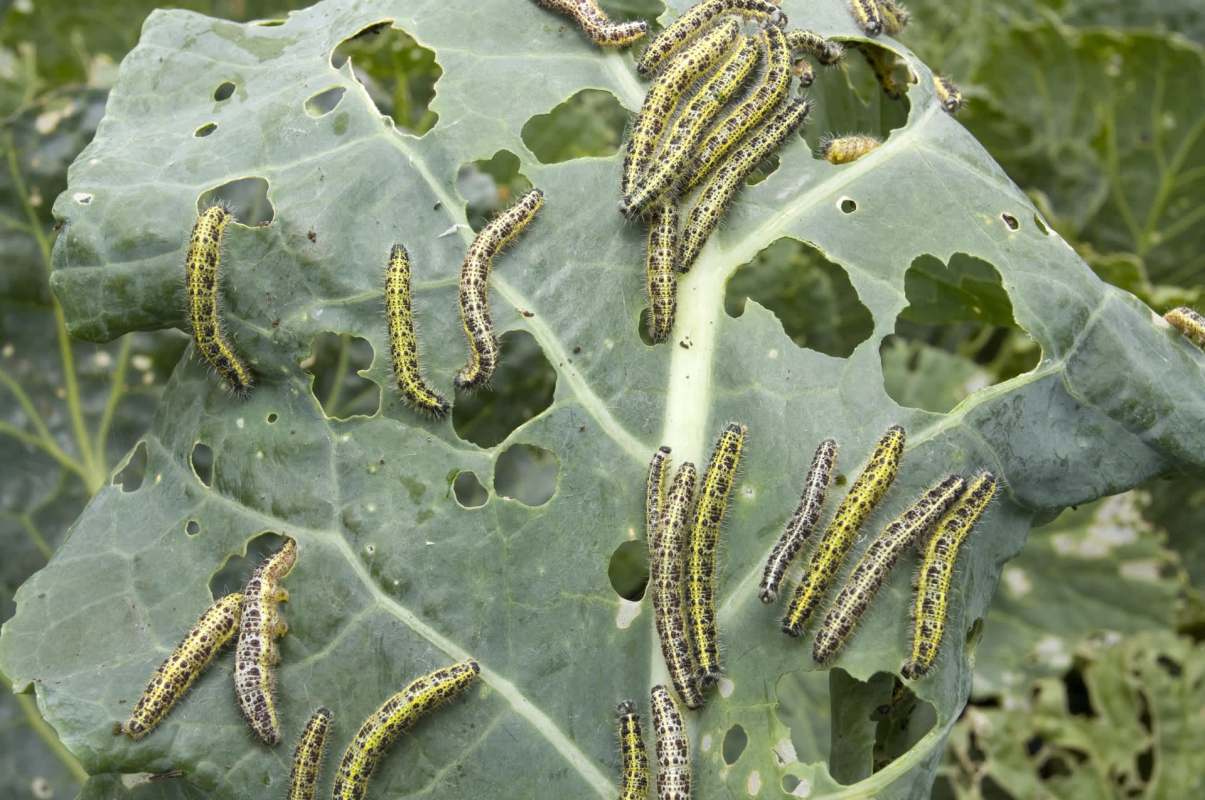
According to Interesting Engineering, researchers at the RIKEN Pioneering Research Institute (PRI) and Center for Sustainable Resource Sciences (CSRS) did just that with the use of the tobacco cutworm caterpillar.
Nanocarbons are molecules entirely made up of carbon atoms that are strong, can conduct energy, and can glow under certain conditions. They're generally used in battery technology, aerospace, and advanced electronics.
In batteries, nanocarbons can be used to improve conductivity, enhance performance, and prolong lifespan. The problem is that they're incredibly hard to manufacture and modify in a lab.
Kenichiro Itami, who led the team of researchers, told Interesting Engineering, "Our team has been conducting research on molecular nanocarbons, but along with that, we've also developed molecules that act on mammals and plants. Through those experiences, we suddenly wondered — what would happen if we fed nanocarbons to insects?"
TCD Picks » Quince Spotlight
💡These best-sellers from Quince deliver affordable, sustainable luxury for all




The tobacco cutworm is a notorious pest known for devouring crops. Its digestive system can handle plant toxins and pesticides, and it contains enzymes capable of complex chemical reactions, so it was the perfect choice.
The team fed caterpillars a belt-shaped molecular nanocarbon called [6]MCPP. A couple of days later, the nanocarbon had been digested, and a new version, called [6]MCPP-oxylene, was produced. An oxygen atom had been added to the nanocarbon.
The true breakthrough came when the team identified two specific enzymes that were the catalysts for the chemical reaction, and computer simulations demonstrated how these enzymes managed the reaction.
With this knowledge, scientists may be able to replicate the creation of complex structures that have so far proved difficult.
|
Do you think we should be trying to pull pollution out of the atmosphere? Click your choice to see results and speak your mind. |
 Absolutely 👍
 If this leads to better battery performance — in electric vehicles, for instance — that could convince more people to switch to an EV, reducing the number of gas-powered vehicles on the road that release planet-warming pollution, which is the main driver of the planet's overheating.
"This work pioneers a new direction in materials science: making functional molecules using insects," Itami said.

Join our free newsletter for weekly updates on the latest innovations improving our lives and shaping our future, and don't miss this cool list of easy ways to help yourself while helping the planet.