


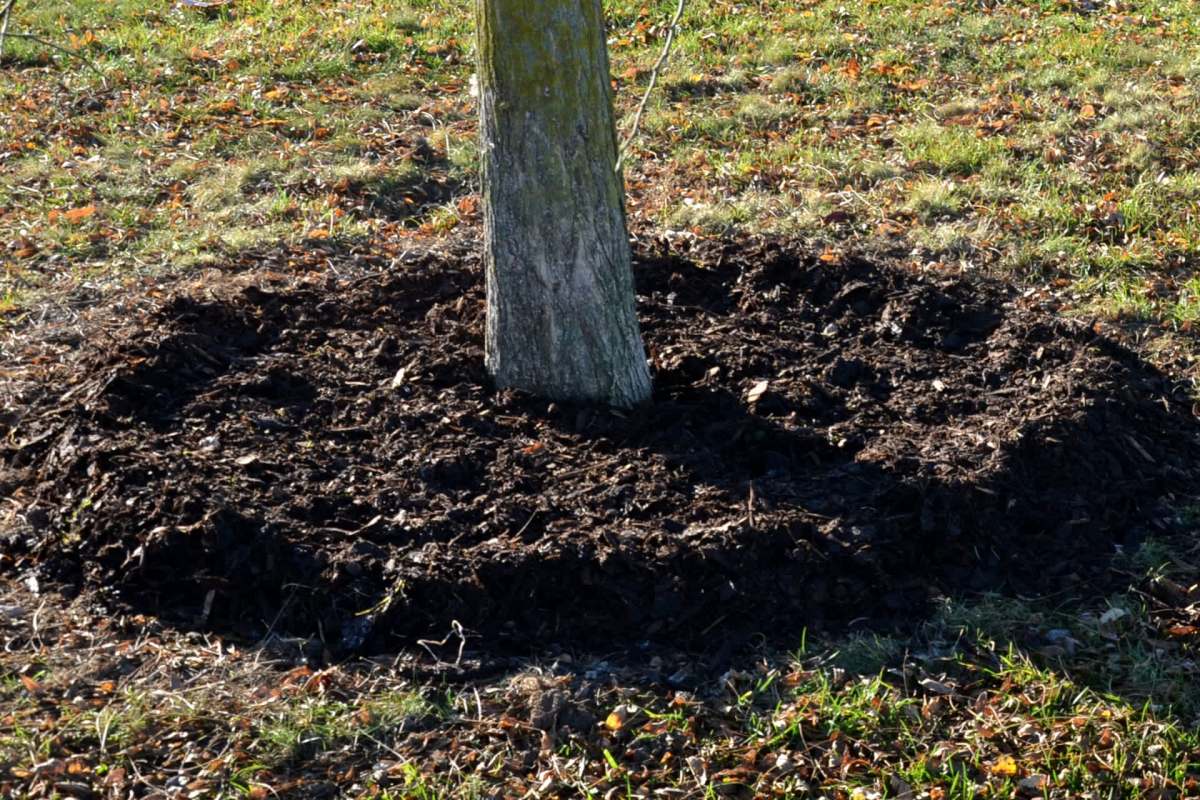
When it comes to tree care, the saying "Too much of a good thing is bad" couldn't be more accurate, especially in the case of mulch volcanoes.
A post on the subreddit r/arborists brought this issue to light with a dose of sarcasm.
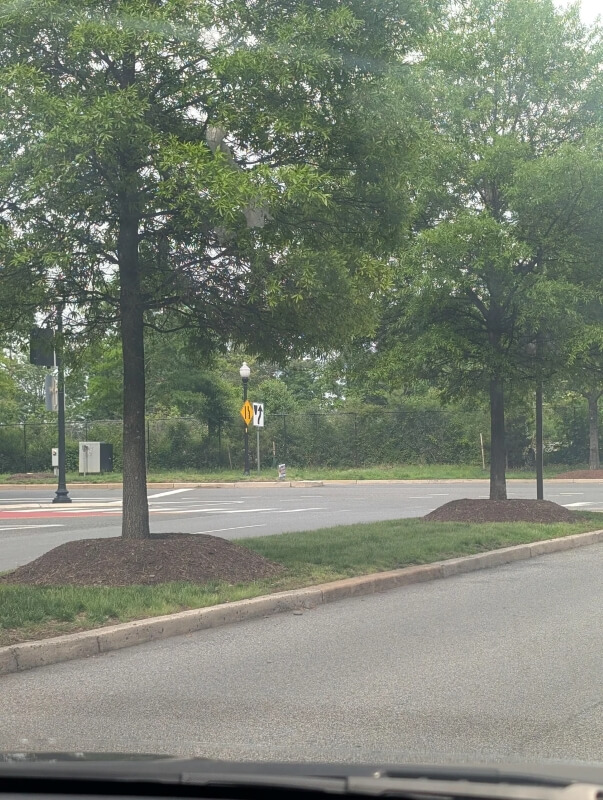
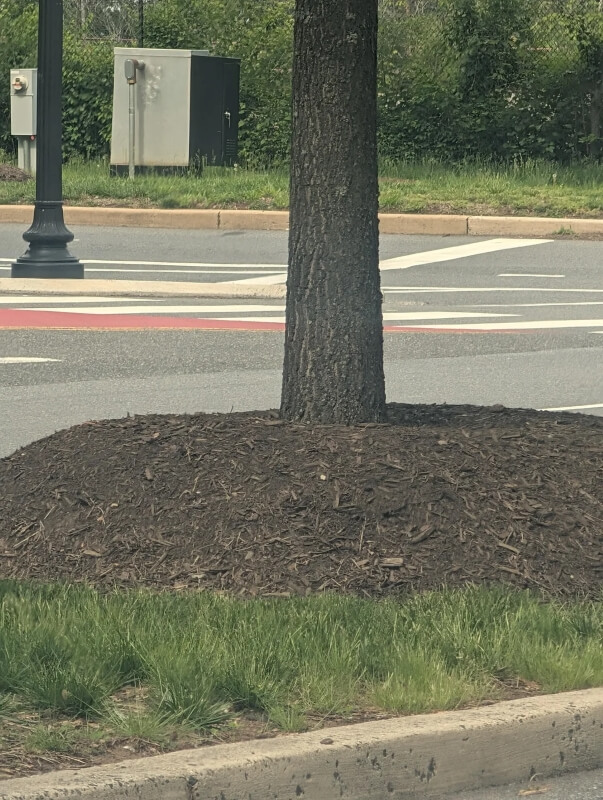
The user shared two photos of oak trees buried in towering piles of mulch, joking, "I'm starting to get concerned — the base of the tree is still kinda visible." While the humor is clear, the underlying message is serious: Excessive mulching can harm your trees more than help them.
If you're unfamiliar with the term "mulch volcano," it refers to a common but misguided landscaping practice wherein mulch is heaped in a cone-like mound around a tree's base.
Though it may look tidy or even professional, this over-mulching can spell disaster for the long-term health of your trees, not to mention the waste of resources.
Piling mulch too high around a tree trunk traps moisture against the bark, creating a warm, damp environment that invites decay, disease, fungal infections, and pests. Rather than nourishing the tree, it slowly weakens it.
TCD Picks » Good Store Spotlight
Get 10% off your next purchase with code TCD10


In hot weather, mulch volcanoes can also work against your tree. Instead of retaining moisture, the thick layer can repel water, preventing it from reaching the root zone where it's needed most. This can lead to dehydration and stress, especially during dry summer months.
To keep your trees healthy, use a 2-4-inch layer of mulch, spread evenly and kept several inches away from the trunk. Think of it like a mulch donut — not a mulch volcano.
Another way to support tree health is by planting native species. Native plants attract pollinators, boost biodiversity, and help create a more resilient, eco-friendly landscape all while benefiting the food supply and environment. They also need fewer resources and less maintenance than nonnative plants, helping homeowners save both time and money.
Clover and buffalo grass are great low-maintenance options, and rewilding your yard can create a unique landscape filled with wildlife that also cuts down on water bills.
|
If you were to switch from a grass lawn to a more natural option, which of these factors would be your primary motivation?
Click your choice to see results and speak your mind. |
 Making it look better 🌱
 Commenters joined in on the original poster's sarcastic humor.
"Free mulch!" one quipped.
Another user offered a more serious take: "That's too much mulch for the roots below, and it could cause the trunk to decay."

Join our free newsletter for easy tips to save more and waste less, and don't miss this cool list of easy ways to help yourself while helping the planet.






