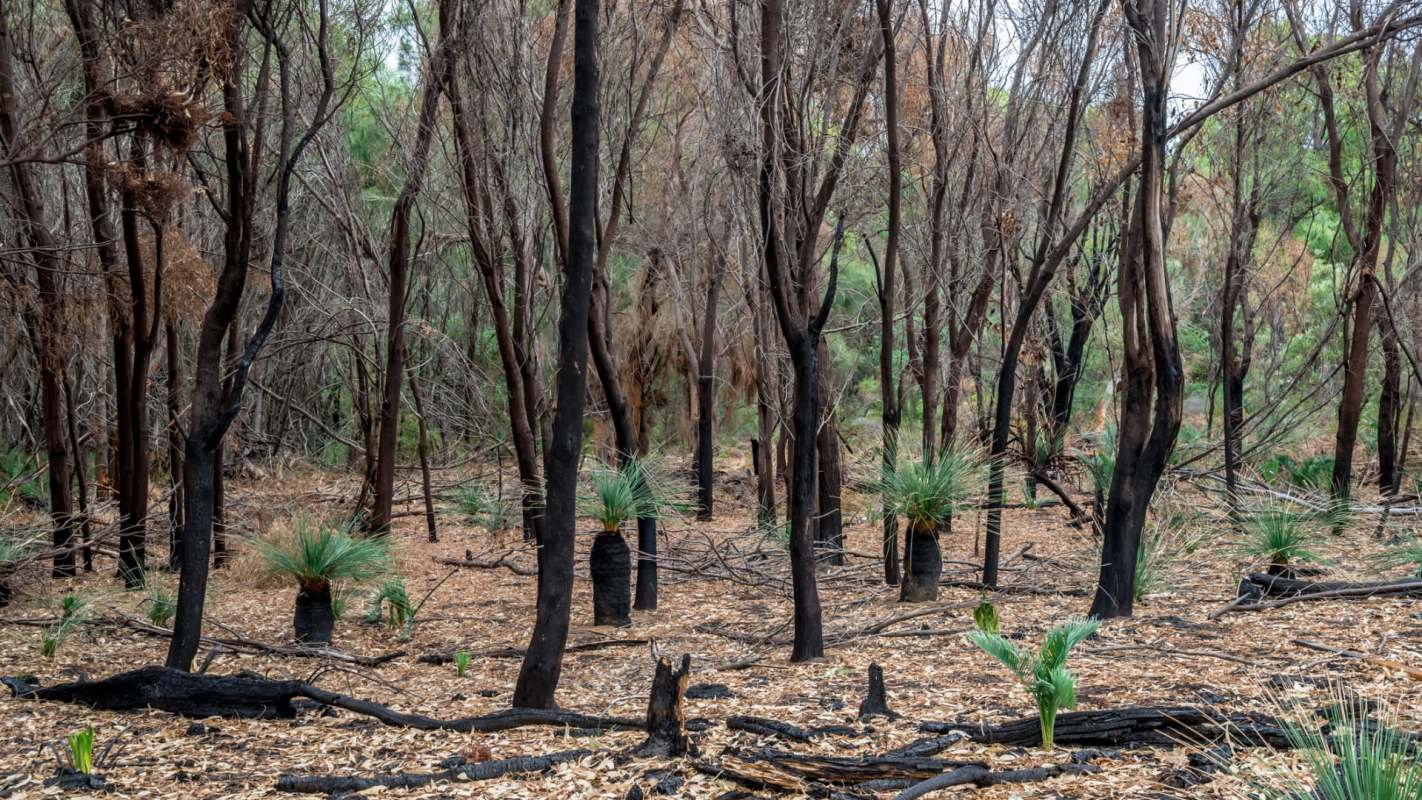
A tiny beetle is tearing through Western Australia's trees — and a local city is urging residents to stay alert.
What's happening?
Wanneroo, a northern suburb of Perth, has issued a warning after discovering the invasive polyphagous shot hole borer in local trees, Yanchep News Online reported. This tiny beetle — no bigger than a sesame seed — bores into over 100 types of trees and woody plants. But the real damage comes from what it brings with it: a deadly fungus called Fusarium, which can cause branches or entire trees to die from the inside out.
The detection follows a troubling announcement by the Cook government: Efforts to eradicate PSHB are no longer feasible. Instead, officials are focusing on containing the spread.
"The PSHB could significantly impact the City of Wanneroo's urban canopy if it were to become established here," said Wanneroo Mayor Linda Aitken. "Protecting and increasing our canopy cover and vegetation is a key goal for the city."
Why is this beetle concerning?
Invasive species such as the PSHB are devastating because they compete with native species for space, food, and resources. That disrupts delicate ecosystems, increases the risk of disease, and puts everything from agriculture to water at risk.
A loss of native trees and vegetation doesn't just harm the environment; it also threatens the very systems we rely on. Tree canopies regulate temperatures, improve air quality, and support biodiversity. That is especially critical to public health in hot, dry places such as Western Australia.
TCD Picks » Quince Spotlight
💡These best-sellers from Quince deliver affordable, sustainable luxury for all




As Agriculture and Food Minister Jackie Jarvis said, "The more we can learn about this pest, the better equipped we will be to protect and support our state's tree canopy and agricultural industry."
What's being done about this invasive species?
Similar battles are unfolding around the world, from the spread of orange-brown ants (Lasius emarginatus) in New York City to the presence of spotted lanternflies in the Eastern U.S.
Communities can still turn the tide — with the right awareness, resources, and support.
The Cook government has allocated $26.5 million in the upcoming budget to manage the PSHB's spread and reduce its impact on trees and crops. Meanwhile, local officials are urging residents to report signs of infestation, such as tiny boreholes, dark staining, or wood dust at the base of trees.
Want to help protect your local canopy? Choose native plants for your yard, avoid moving firewood between regions, and report unusual tree damage right away. You can also explore more ways to get involved in this guide to critical climate issues.
|
Do you worry about air pollution in your town? Click your choice to see results and speak your mind. |
 All the time 💯
Join our free newsletter for good news and useful tips, and don't miss this cool list of easy ways to help yourself while helping the planet.