


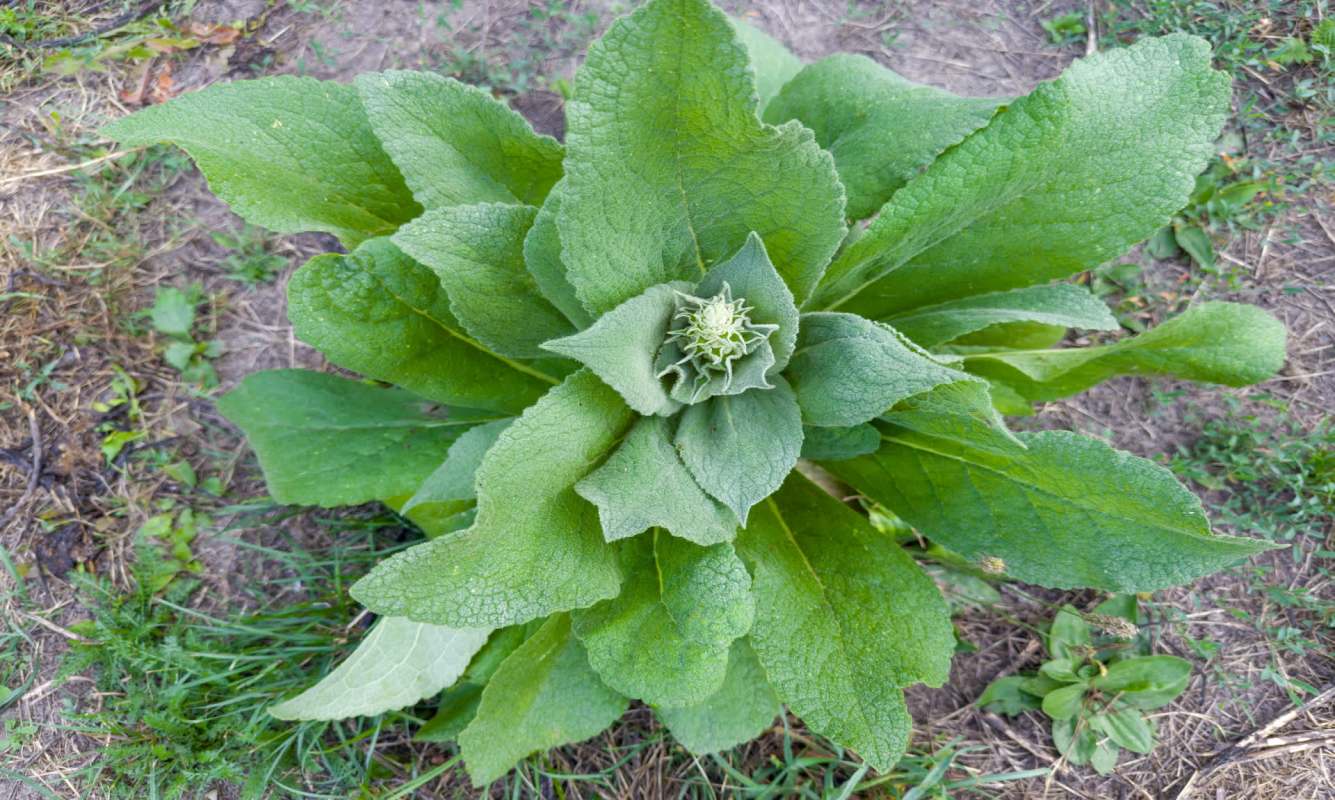
A conservationist has sounded the alarm about a useful but destructive plant that is quietly wreaking havoc on backyards and ecosystems.
Hunter Jarratt, also known as Invasive Species Guy (@invasivespeciesguy), shared a video on Instagram informing people about great mullein (Verbascum thapsus).
"By removing this one plant, I stopped the production of as many as 240,000 seeds," the creator wrote in the post's caption.
Hunter said that some people plant mullein for its medicinal properties. Common mullein has been used as an herbal remedy for coughs and diarrhea, and some people use its leaves to make tinctures or teas for antibacterial and anti-inflammatory purposes.
"While it's always great to find uses for invasive species, we should be collecting [them] from wild areas instead," Hunter wrote.
Originally introduced to North America from Europe and Asia in the 1700s, mullein "reduces biodiversity, is unpalatable to livestock, [and] is difficult to control," Hunter added.
TCD Picks » Quince Spotlight
💡These best-sellers from Quince deliver affordable, sustainable luxury for all




Common mullein can be easily managed in most yards; however, it is considered invasive in some parts of western North America. Invasive species can spread rapidly, overtaking native plants and disrupting local ecosystems. Their aggressive growth can lead to soil erosion and negatively impact wildlife.
In backyards, these plants can become a nuisance because some invasive species can regenerate from small root fragments, making complete removal difficult and time-consuming.
Other plants mistakenly make it into backyards. Some gardeners plant flowers and plants such as purple loosestrife and wisteria to add beauty and color to their gardens without realizing they're invasive.
As awareness spreads of what's native versus invasive, people are becoming more intentional about what they include in their gardens. The message is clear: Don't be fooled by a pretty face. Some plants can turn your yard into a nightmare, so choose native species that nurture your yard and the world around it instead.
|
Should the government be paying people to hunt invasive species?
Click your choice to see results and speak your mind. |
 Definitely 👍
Join our free newsletter for good news and useful tips, and don't miss this cool list of easy ways to help yourself while helping the planet.







