


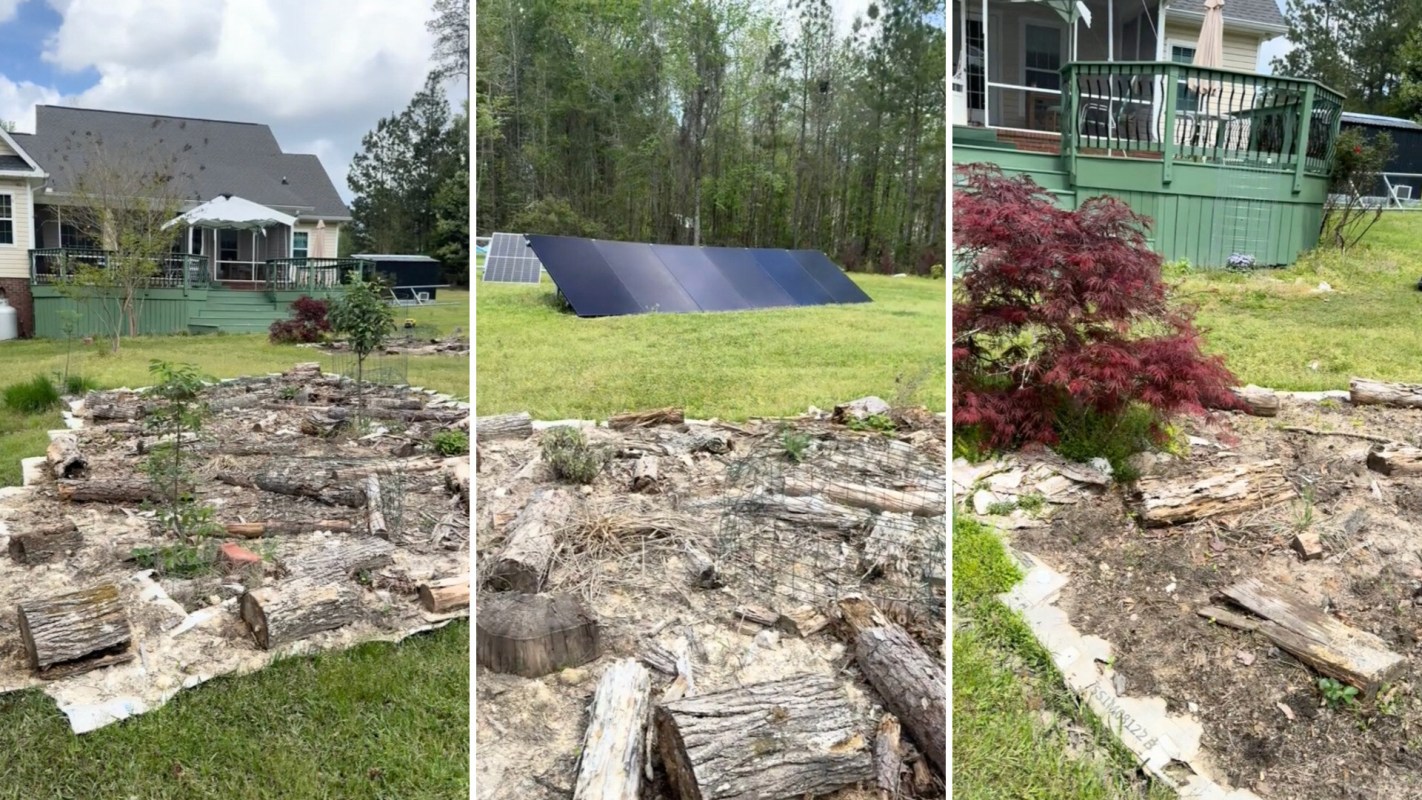
For home gardeners dreaming of an organic, low-maintenance, and eco-friendly oasis, a no-till permaculture garden might be the perfect solution.
The scoop
A TikToker named Georgia (@georgiagardener4332) recently shared their approach to building a no-till permaculture garden right in their backyard.
@georgiagardener4332 One way to no till garden. Less soil disturbance means less weeding! #georgiagardener #permaculture #notill #garden #foodforest #zonegardening8b ♬ original sound - georgiagardener4332
Using simple, accessible materials, Georgia started with a layer of cardboard to suppress weeds, added seasoned logs to gradually release nutrients, and topped it with rich soil gathered from beneath the decaying wood.
From there, Georgia scattered deer-resistant wildflower seeds, planted hardy herbs, and introduced apple trees, laying the groundwork for a diverse, low-maintenance garden designed to thrive with minimal disturbance.
The video offers an inspiring and practical starting point for anyone looking to create a sustainable garden using what they already have. It highlights how approachable and effective this method can be while also reducing waste and promoting biodiversity.
Georgia commented on the video in response to a commenter questioning the approach and its effectiveness.
TCD Picks » Quince Spotlight
💡These best-sellers from Quince deliver affordable, sustainable luxury for all




"There's seeds germinating everywhere already," Georgia wrote. "The idea is to avoid using commercial gardening techniques that require purchasing soil and compost. It is unconventional for sure."
How it's helping
The no-till permaculture method nurtures soil health by preserving its natural structure and microbial life, which leads to healthier plants and more resilient ecosystems.
By avoiding synthetic fertilizers and chemical pesticides, this approach reduces pollution, protects local waterways, and creates a safer environment for pollinators and wildlife.
For gardeners, it means fewer inputs, less maintenance, and significant cost savings over time. Growing food organically at home also provides access to fresher, more nutrient-dense produce, free from harmful residues.
|
What is the biggest reason you don't grow food at home? Click your choice to see results and speak your mind. |
 Not enough time ⏳
 The act of gardening itself supports physical health through movement and sun exposure while also boosting mental well-being by connecting people with nature.
Ultimately, no-till permaculture offers a regenerative, low-cost, and health-conscious way to grow food while giving back to the Earth.
What everyone's saying
Commenters were quick to praise Georgia for the thoughtful approach to gardening.
"You're doing it all right! Beautiful," one user cheered.
"Can't wait to see how it goes." another added.
Beyond encouragement, viewers also turned to Georgia for advice, asking about how to handle common challenges like pill bugs and slugs or discussing whether more mulch is needed to help seeds germinate.
Sharing tips and experiences like Georgia's not only empowers more people to start their own sustainable gardens but also helps build a collective knowledge base rooted in care for the planet. As more gardeners exchange ideas and learn more from one another, we continue to discover better, more thoughtful ways to live in harmony with the Earth.

Join our free newsletter for easy tips to save more and waste less, and don't miss this cool list of easy ways to help yourself while helping the planet.






