


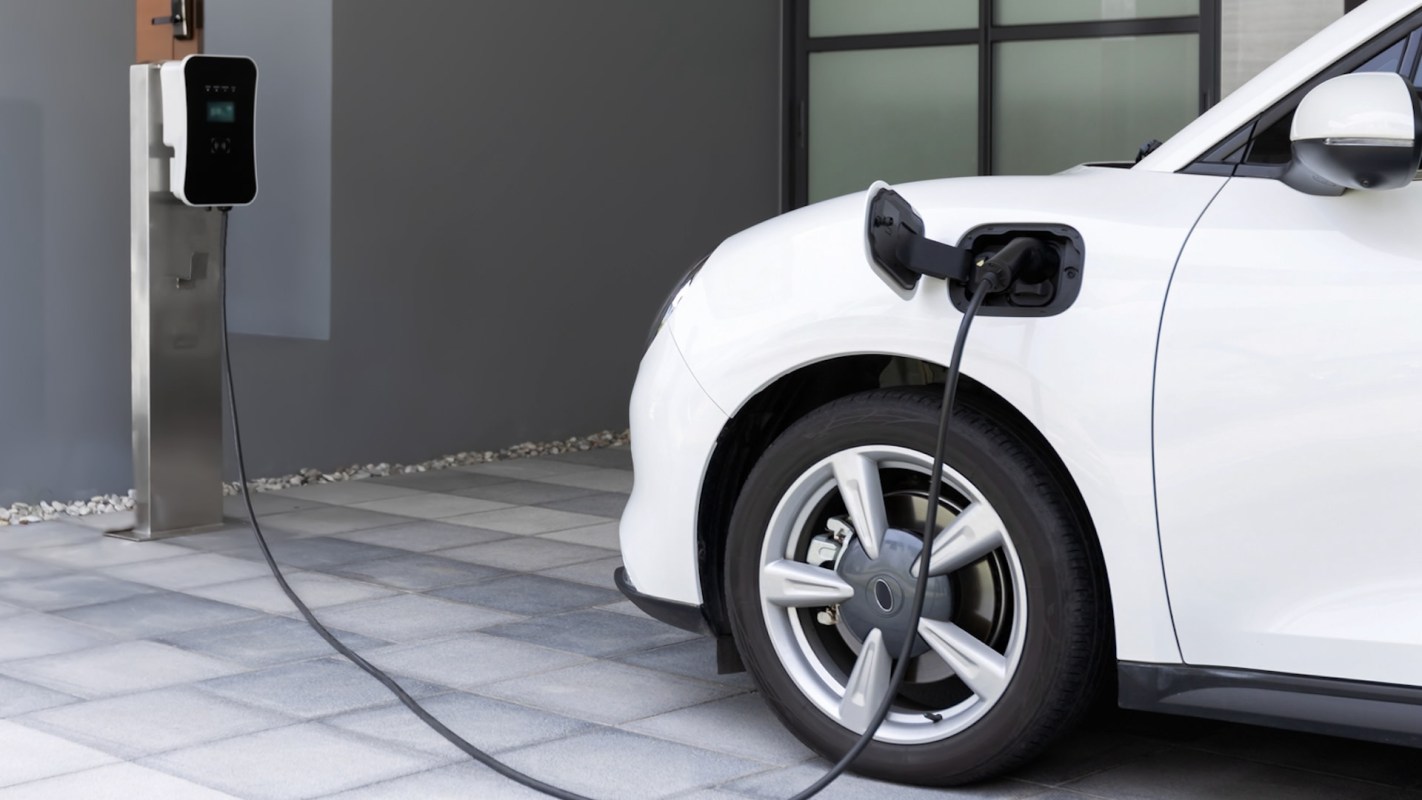
Electric vehicles are still picking up speed, and there are a number of factors for consumers to consider before making the switch.
Recurrent in April detailed the state of the industry in its 2025 New EV Market & Trends Report. The average EV range has increased by 4% to 293 miles, and fast charging speeds have improved by 7% to less than 16 minutes for 100 additional miles.
The Hyundai Ioniq 6 is the fastest charger available, able to refill in just 8.3 minutes. Other fast charging options come from Kia, Chevrolet, Fiat, Lucid, and Audi.
These gains are mitigated by efficiency givebacks. EVs reached a peak of 3.3 miles per kilowatt-hour in 2018, but demand for more range and bigger EVs has resulted in a change in battery offerings.
"With larger and heavier EVs becoming more common, the average vehicle efficiency has dropped by 16% since 2018, meaning that much larger battery packs are being used to deliver marginal range increases," wrote Liz Najman, Recurrent's director of market insights and a mathematician.
Still, "the reasons to opt for a more efficient EV include minimizing monthly electricity costs and overall emissions," Najman added.
The market for used EVs is growing around the world. In the United States, this translated to a 62.6% jump in sales in 2024. Over the next couple of years, hundreds of thousands of leased EVs will hit the market, increasing consumers' options and likely lowering price points.
In addition to a $4,000 federal tax credit, buyers in certain locales — including Los Angeles, which matches that figure with a rebate — can score a hefty chunk of change for buying used EVs, which help lessen the production of planet-warming polluting gases.
Selling your EV? Watch this first to protect your investment and make $1,400 more
Recurrent is a free service that maximizes the resale value of your EV by documenting battery health and getting you top-dollar offers from a national network of dealerships. |

One sticking point, however, is battery life. EV batteries raise eyebrows for their intensive mining requirements, replacement costs, and ranges. However, Recurrent monitors EV battery health for free, giving buyers peace of mind and offering sellers a lucrative opportunity.
The company connects people who want to offload their EVs with a network of dealers, enabling them to make $1,400 more from their sales on average.
|
If you were going to purchase an EV, which of these factors would be most important to you? Click your choice to see results and speak your mind. |
 Cost 💰

Join our free newsletter for good news and useful tips, and don't miss this cool list of easy ways to help yourself while helping the planet.
Cool Picks






