


What looked like just another tangle of invasive English ivy turned into something far more rewarding for one Facebook user.
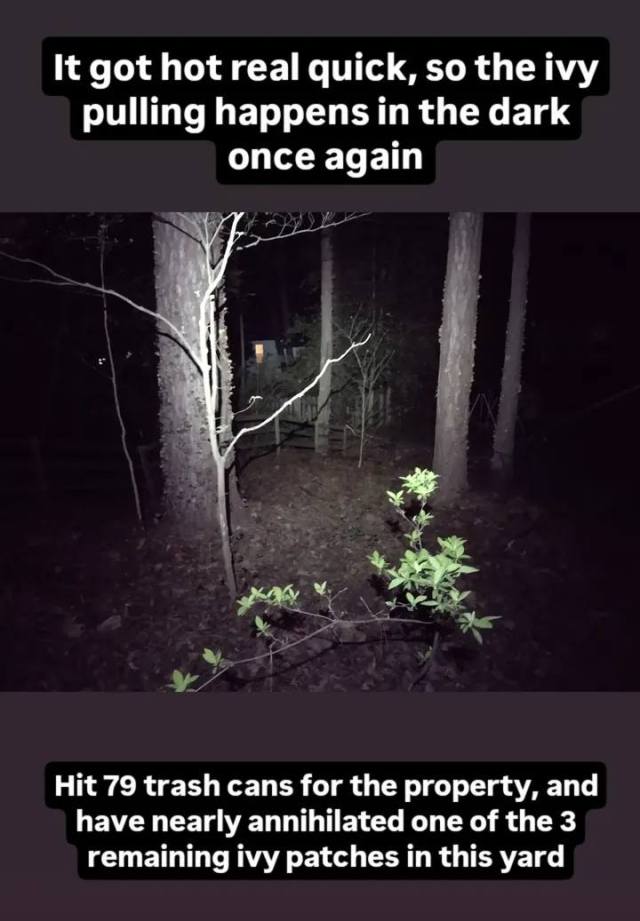
In the Invasive Plant ID & Removal in the United States and Canada group, a user shared an unexpected discovery after removing 79 trash cans' worth of invasive English ivy. While they thought the area would be a "dead zone," a patch of thriving native plants began to emerge.
Posted by Garrett Sharpe on Monday 31 March 2025
The post ignited a wave of excitement, drawing cheers from fellow native plant enthusiasts. One commenter stated: "Awesome awesomeness!!"
The post features several photos of the property, showcasing the invasive ivy, a tree frog, and native plants, including two cut-leaf grape ferns. The user also shared that a Solomon's seal plant could help cross-pollinate with another found on the other side of a fence in the previous year, humorously adding: "I'm so glad they have a dating pool."
If you're new to native plants and invasive species, you might wonder why this post has sparked such excitement — but there's a good reason for it.
Invasive species like English ivy threaten local ecosystems by outcompeting native plants for resources and disrupting the balance of biodiversity and nature.
TCD Picks » Quince Spotlight
💡These best-sellers from Quince deliver affordable, sustainable luxury for all




By removing these invaders, native plants can flourish, which in turn supports local wildlife, enriches soil health, and restores ecological harmony — which is important for humans, too. For instance, having plants that attract pollinators helps support our food supply.
Whether you are an experienced gardener or a novice, landscaping with native plants offers numerous benefits. These benefits include conserving water, saving time and money on maintenance, and reducing the need for frequent mowing, fertilizing, and pesticide use.
Clover, buffalo grass, and xeriscaping are other eco-friendly, low-maintenance alternatives that can replace traditional lawns while promoting a healthier environment.
A commenter noted: "It's sooo heartwarming to see your obvious delight over a healing ecosystem that you've been rejuvenating. Definitely an inspiration to anybody with a sense of ecological righteousness!"
|
Should we be actively working to kill invasive species? Click your choice to see results and speak your mind. |
 Absolutely 💯
 One other stated a simple "thank you," a reminder of the deep appreciation shared for the efforts to restore and protect the environment.

Join our free newsletter for easy tips to save more and waste less, and don't miss this cool list of easy ways to help yourself while helping the planet.






